The world’s most sought-after wineries do not shout. They move with the quiet assurance of places that know precisely who they are and whom they serve. For the devoted wine traveler, discovering these estates is less about chasing labels and more about stepping into a finely tuned culture—one built on detail, restraint, and an almost obsessive pursuit of perfection. Beyond the polished tasting bars and manicured rows of vines, there is a private choreography that only reveals itself to those who know how to look.
This is an invitation into that choreography—five exclusive insights that reshape how you see, select, and experience truly premium wineries.
The Hidden Hierarchy of Vineyard Parcels
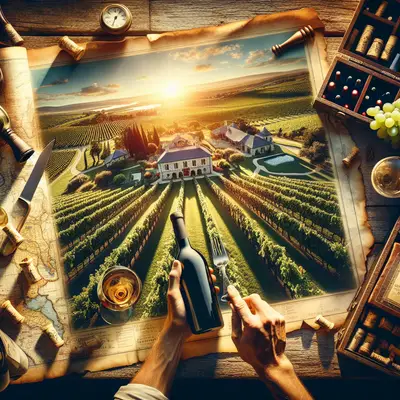
Among serious estates, not all vines are created equal—nor are they treated that way. While wine lists may play up flagship bottlings, the real story begins in the cartography of the vineyard itself.
Premium wineries cultivate an internal hierarchy of parcels—tiny sub-blocks defined by soil nuance, airflow, drainage, and even the way early morning fog curls through the rows. Operations teams know which vines deliver spine and structure, which offer aromatics and lift, and which are destined only for the estate’s most confidential cuvées. These decisions are rarely advertised, yet they drive everything from pruning patterns to harvest timing.
On a private visit, you may notice that certain rows are cropped just a touch lighter, or that selected parcels seem more meticulously canopy-managed. Those are often the “quiet royalty” of the vineyard, earmarked for top-tier or site-specific bottlings. The most refined wineries keep decades of parcel-level data—yield, phenolic ripeness, disease pressure, berry weight—allowing them to refine which micro-plots are elevated into grand vin status and which gracefully support the rest of the range.
For the discerning visitor, asking to walk specific parcels—not just “the vineyard”—can open the door to a more meaningful conversation. You are no longer tasting a brand; you are tasting a mapped, measured, and deeply understood landscape.
The Invisible Architecture of Time
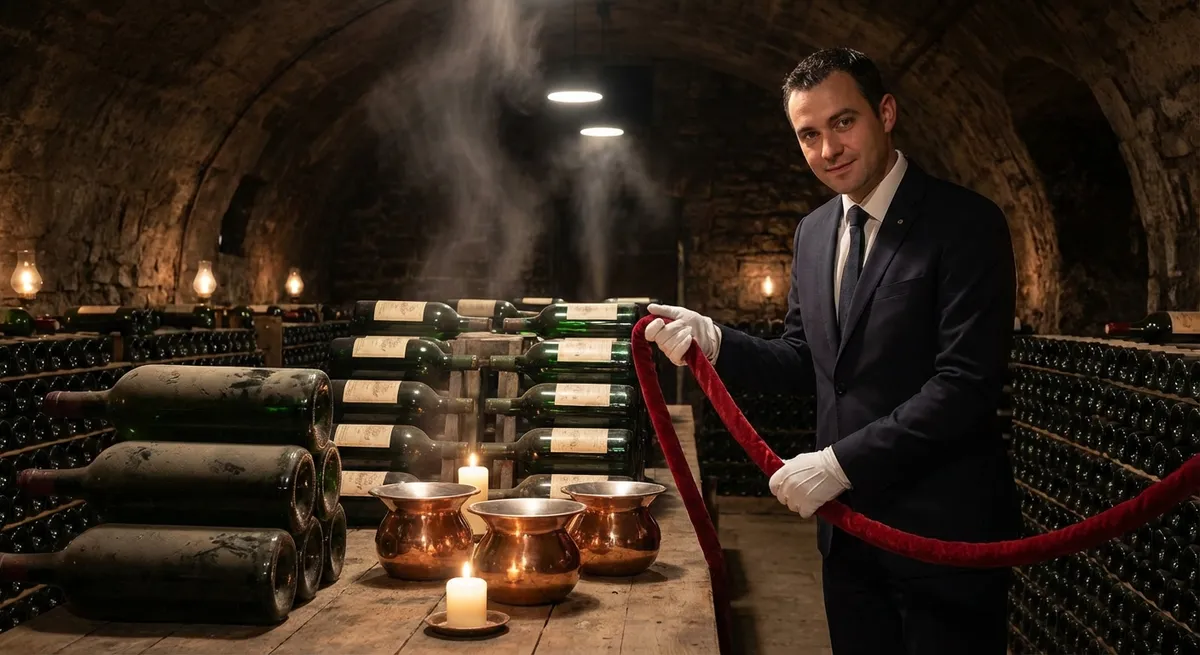
In premium cellars, time is not simply a number of months in oak; it is a series of calibrated decisions designed to choreograph texture, energy, and aromatic complexity. The most accomplished estates speak of élevage—literally “raising” the wine—as though it were the cultivation of a personality, not a product.
Instead of “12 months in barrel,” you may find a more intricate sequence: initial months in larger-format oak to preserve tension, followed by a shorter spell in finer-grained barriques to refine tannins; a controlled period in concrete or amphora to stabilize texture; then bottle rest that can stretch well beyond commercial necessity. Some houses experiment with varying humidity and temperature regimes in different cellar levels, subtly adjusting tannin evolution.
The crucial insight: time is layered, not linear. Wines may be periodically racked in sync with lunar cycles or barometric shifts, not for mystique but for consistency in sediment movement and oxygen exposure. Others use precision micro-oxygenation only in specific vintages to maintain a recognizable house style despite climatic volatility.
As a guest, pay attention when hosts speak about “tension,” “line,” or “persistence”—these are often coded references to the internal timing decisions that define the estate’s signature. If you are offered comparative barrel samples or the chance to taste the same wine at different stages of élevage, accept without hesitation; it is the closest you will come to watching time itself being edited.
The Quiet Craft of Texture
In a premium winery, flavor is merely the first chapter; texture is the full narrative arc. The most serious producers design wines not just around the nose and palate descriptors, but around the way a wine occupies and then leaves the mouth—its grain, its weight, its cadence.
This pursuit of textural nuance begins in the vineyard with decisions about canopy shading (to avoid harsh phenolics), harvest date (to balance sugar and skin maturity), and even picking logistics (cool morning harvests preserve freshness and finesse). In the cellar, every choice is calibrated for mouthfeel: the selection of coopers and toasting levels; the proportion of whole-cluster fermentation; the gentle precision of pressing cycles.
Some estates are experimenting with extended lees aging not only for aromatics but to introduce a satin-like glide across the palate. Others employ carefully monitored bâtonnage (lees stirring) to add volume without heaviness, particularly in high-acid whites. In red wines, cold soaks, submerged cap fermentations, and the use of gravity (rather than pumps) are all textural decisions masquerading as technical ones.
As you taste, refine your vocabulary beyond “smooth” and “full-bodied.” Notice whether tannins feel like fine chalk, suede, or silk. Observe if the mid-palate swells or remains taut. Premium wineries often respond most enthusiastically when guests ask about texture, because it reveals an appreciation for the dimension of wine that is hardest to articulate yet most expensive to craft.
The Unpublished Etiquette of Access
Reservation systems and mailing lists tell only part of the story. True access to premium wineries operates on a more subtle, often unpublished plane, where behavior, curiosity, and discretion are as important as buying patterns.
Quiet observation is your first credential. Guests who demonstrate respect for the pace of a working winery—arriving on time, dressing with understated elegance, and treating staff at every level with equal courtesy—are noticed. Asking informed, concise questions rather than performing knowledge is another hallmark. Estates cherish visitors who are willing to say, “Explain this to me,” rather than recite what they already know.
There is also an etiquette around photography and sharing. Some of the most coveted estates prefer their charm to circulate through conversation and carefully chosen images, not exhaustive documentation of every corner of the property. Being sensitive to what is photographed—and what remains just a memory—signals that you understand their ethos of cultivated privacy.
Returning thoughtfully is perhaps the most understated gesture. Remembering a specific wine from a past vintage, or referencing a detail of the estate’s philosophy on a second visit, builds a relational continuity that many premium wineries quietly value more than a single large purchase. Over time, this can lead to invitations to allocation-only releases, library tastings, or intimate vineyard walks that are never advertised.
The Subtle Language of Glassware and Space
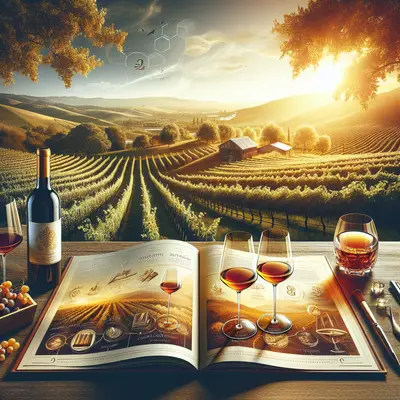
One of the most reliable tells of a premium winery is the choreography of the room: the glassware, the pacing of pours, the way bottles and guests are positioned in relation to light and landscape. These details are not decorative; they are interpretive.
Top estates often use a carefully curated range of glasses, each chosen for its ability to reveal structure rather than just aromatics. You might see separate shapes for young reds, aged reds, high-acid whites, and aromatic varieties—even within a single tasting flight. Many wineries have conducted internal blind trials to determine which specific glass profile best expresses their flagship wines, then quietly standardized service around those findings.
Tabletop and spatial choices are equally revealing. A tasting conducted standing at a high counter encourages a brisk, comparative evaluation of wines; a seated, low table positioned to frame a particular vineyard block invites a more reflective immersion. Soft but accurate lighting, controlled background noise, and pacing between pours are all engineered to sustain concentration.
Premium wineries understand that the room is part of the wine. When you notice that a glass is changed mid-flight, or that a particular wine is poured only after you have turned toward a specific vineyard view, you are experiencing a deliberate staging of context. Ask why a certain glass was chosen or why that vintage is served seated rather than standing; the answers often reveal the intellectual architecture behind the estate’s hospitality.
Conclusion
Seeking out premium wineries is not merely a quest for rarer labels; it is a decision to step into environments where every gesture is considered and every detail is in service of nuance. The most rewarding experiences come when you tune in to what is usually left unsaid: the internal hierarchy of parcels, the layered architecture of time, the quiet craft of texture, the discreet etiquette of access, and the subtle language of glassware and space.
Approach these estates not as stages for consumption but as ateliers of refinement. Ask attentive questions, observe generously, and listen as much to the silences as to the stories. In that stillness, a more profound luxury emerges—the privilege of seeing how true excellence is made, long before it is poured.
Sources
- Wine Institute – California’s Wine Growing Regions – Overview of key vineyard regions, climates, and appellations that inform premium vineyard parcel decisions
- University of California, Davis – Enology & Viticulture Resources – Educational materials on viticulture, winemaking, and factors that influence texture, élevage, and wine quality
- Decanter – What Is Élevage in Wine? – Detailed explanation of élevage and how time and cellar decisions shape premium wines
- Robert Mondavi Winery – Barrel Aging & Cellar Practices – Insight into barrel choices, aging strategies, and their impact on style and structure
- Napa Valley Vintners – Visit & Tasting Etiquette – Guidance on winery visit etiquette and expectations in high-end tasting environments
Key Takeaway
The most important thing to remember from this article is that this information can change how you think about Premium Wineries.