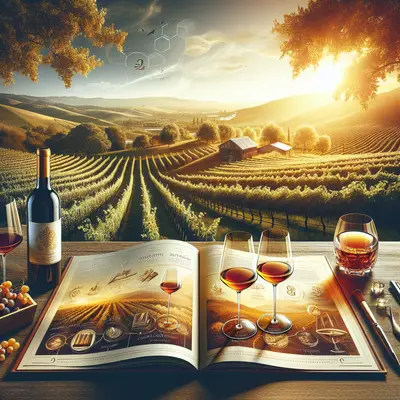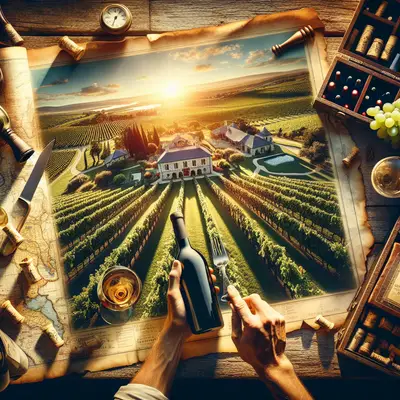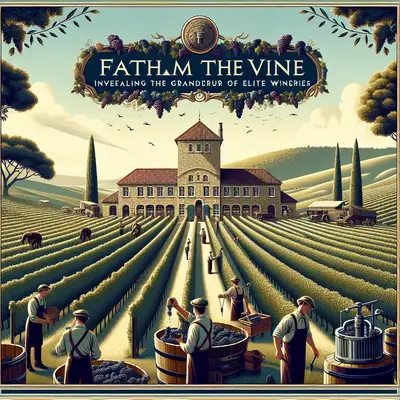
There is a particular stillness that settles over truly premium wineries—an almost theatrical hush before the curtain rises. It is not about spectacle or ostentation; it is about the deliberate choreography of craftsmanship, landscape, and time. For travelers who seek more than a selfie at the tasting bar, these estates offer something rarer: a sense that every detail, from the curve of the glass to the cadence of the visit, has been composed for those who are prepared to notice. Premium wineries do not simply pour wine; they stage an experience in which each element is tuned to reward attentiveness.
The Architecture of Intention
At the most thoughtful estates, architecture is not a visual flourish but the first dialogue between guest and place. Whether the winery is housed in a minimalist, concrete-and-glass pavilion or a meticulously restored stone chateau, every line and angle frames how you encounter the wine. Barrel rooms are buried into hillsides to harness natural insulation; corridors are aligned to capture a particular shaft of afternoon light; terraces are positioned where prevailing winds carry the scents of surrounding forests or sea air.
Premium wineries use space to slow you down. A long, ascending path to the tasting room might offer incremental views of the vineyard, drawing your eye across aspects and slopes that shape the fruit in your glass. Floor‑to‑ceiling windows overlooking specific parcels are not incidental; they are an invitation to mentally connect the geometry of the land with the texture of the wine. The room’s acoustics—a hushed resonance that dampens noise—encourage conversation at a lower register, reinforcing the sense that you have stepped into a sanctuary of attention. In these environments, architecture becomes a quiet tutor, training guests to look, listen, and taste with greater precision.
Beyond “Reserve”: Reading the Winery’s True Hierarchy
Among seasoned enthusiasts, it is understood that “reserve” on a label can mean everything or nothing, depending on the producer. At premium wineries, the real hierarchy of wines is often articulated less through marketing language and more through context. Which wines are poured at the beginning of the visit, and which are held back until trust and curiosity are established? Which bottlings are introduced only in the cellar, or only when a guest asks a particular kind of question?
The first insight is that the estate’s most profound wines are often those discussed with the least fanfare. An unassuming bottling from a single, rocky parcel at the crest of a hill might be spoken of in a different tone—slightly softer, more reverential—than the headlining cuvée. Pay attention when a winemaker mentions a wine as “difficult” or “stubborn” in youth; these are often the bottles that blossom most dramatically with age. Similarly, a modestly labeled “old vine” blend could be the quiet heart of the property, especially where yields are so low that only a few barrels are made.
A second, related insight lies in what is not widely offered. Library vintages, experimental lots vinified in amphora or large neutral casks, or micro‑cuvées available only at the estate reveal where the winery expends its most obsessive care. When a host lowers their voice slightly and says, “We don’t normally pour this,” that is your cue that you are stepping into the winery’s inner conversation with itself—its ongoing exploration of what the site can express.
The Vineyard as a Living Library
Premium wineries often speak of their vineyards as if they were characters rather than acreage, and for good reason. Each block, sometimes each row, is a page in a living archive of decisions: rootstock, clone, planting density, pruning method, canopy management. For visitors who are willing to leave the comfort of the tasting room and walk the vines, a third insight emerges: the vineyard is where the estate’s philosophy is most legible.
Look closely at how the ground between the rows is managed. A dense carpet of cover crops—wildflowers, legumes, native grasses—signals a commitment to soil health and biodiversity, supporting beneficial insects and microorganisms that contribute to vine resilience. Sparse, bare soil may reflect a different view of vine stress and competition. Stake the vines visually: Is the canopy airy, leaves selectively thinned to allow dappled light on the fruit, or is it more shaded and lush, preserving freshness in warmer climates?
A fourth insight is seasonal: visiting the same winery at different times of year reveals its deeper rhythms. Spring’s tender shoots and flowering clusters tell you about potential yields and the risk of frost. Late summer’s veraison—the point at which berries change color—offers a vivid map of ripening patterns across the property. In winter, the exposed architecture of the vines reveals pruning strategies that dictate how the plant will channel its energy in the coming year. Premium wineries often welcome guests year‑round precisely because each season teaches a different chapter of the story.
Time as the Quiet Luxury
The most authentic luxury in wine country is not a private driver or an ornate tasting room; it is time, granted and guarded. Premium wineries understand that serious appreciation cannot be rushed, and they design visits that unfold with a deliberate tempo. Twenty minutes in a barrel hall, listening to the muted drip of topping wine and the creak of wood, can do more to deepen your understanding than another rapid‑fire flight of samples.
A fifth insight, prized by experienced travelers, is recognizing when a winery is inviting you to linger beyond the formal script. A host who suggests revisiting the first wine at the end of the tasting is signaling an interest in helping you perceive how air and temperature transform aroma and texture. A winemaker who pauses to let you walk through a fermenting cellar in harvest season is sharing not just an operational space, but a fleeting, high‑stakes moment in the year when decisions are made hour by hour.
Premium estates also deploy time in the cellar as a defining luxury. Extended maturation in bottle before release, longer élevage in oak or concrete, and the deliberate choice to hold back certain vintages until they have reached a more expressive plateau all come at a cost. When a winery is willing to absorb that cost, it is a declaration that the wine’s narrative arc matters more than the speed of the market. Visitors who attune themselves to these temporal choices begin to taste not just fruit and oak, but patience itself.
Curated Hospitality as an Art Form
In the most refined wine experiences, hospitality is a form of curation rather than performance. You are not simply being “hosted”; you are being guided through the estate’s worldview. The sequence of wines, the vantage points chosen for each pour, even the silence allowed between explanations all signal a confidence that guests will notice subtleties.
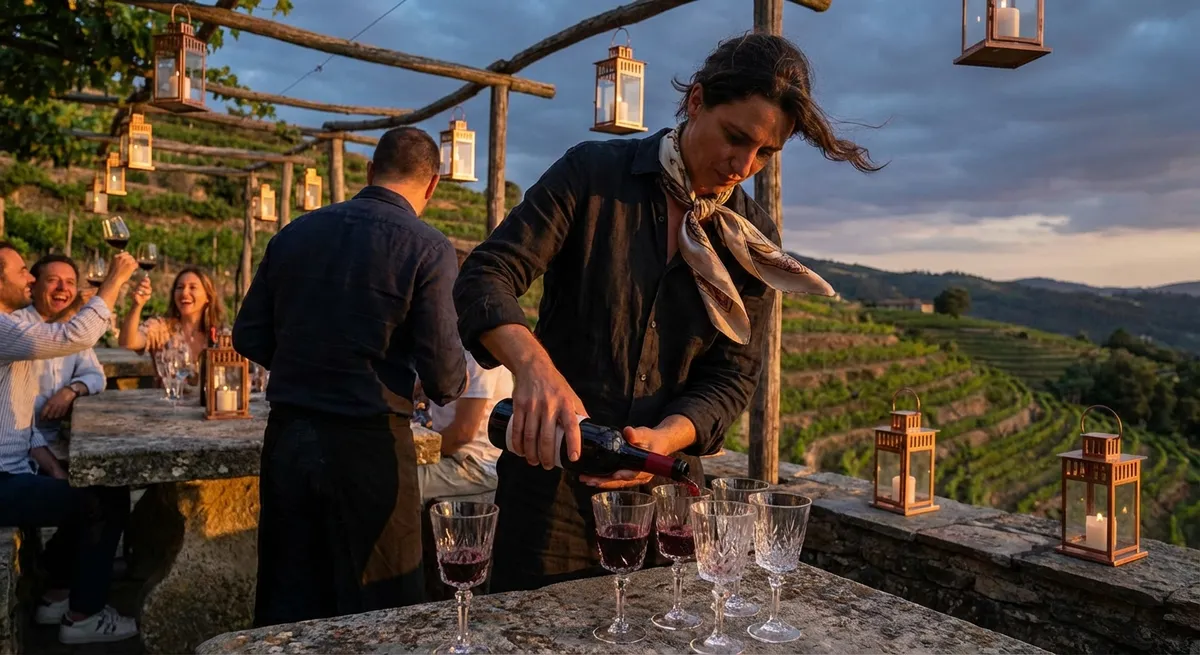
Premium wineries often pair each wine with a specific context rather than a specific food. A mineral, tensile white might be poured on a terrace where the wind carries the scent of limestone dust; a structured red might be introduced in the barrel cavern where its future siblings are resting in oak. Glassware is chosen not only for brand but for proportion, bowl shape, and lip thickness—all tuned to how the estate believes its wines should be framed on the palate.
Refined hospitality also respects the guest’s own depth of curiosity. When hosts ask not “Do you like red or white?” but “How do you prefer structure to show up in a wine?” they are inviting a more nuanced conversation. Premium estates excel at calibrating their language to the visitor—able to speak in terms of soil taxonomy, phenolic ripeness, and vinification protocols for those who want it, or in evocative analogies and sensory stories for those who do not. The result is a visit that feels neither scripted nor casual, but precisely attuned.
Conclusion
To travel among premium wineries with discernment is to recognize that the finest estates are not merely producers of coveted bottles; they are stewards of place, time, and experience. Their luxury is not loud. It resides in the angle of a window, the patience of a cellar, the decision to open a rare bottle because a question was asked with genuine curiosity. For those willing to look beyond labels and scores, the reward is a deeper intimacy with the landscape and the people who shape it—a sense that, for a few hours, you have been invited backstage, where the quiet theater of the vine is always in rehearsal.
Sources
- Napa Valley Vintners – Understanding Terroir – Overview of how soil, climate, and topography shape premium wine regions
- Wine Institute – Sustainable Winegrowing Practices – Details on vineyard and winery sustainability programs in California
- UC Davis Department of Viticulture and Enology – Educational resources on winemaking techniques, élevage, and cellar practices
- Bordeaux Wine Council (CIVB) – Vineyard & Terroir – Insight into how leading regions conceptualize vineyards, parcels, and hierarchy of wines
- Oregon Wine Board – The Vineyard Year – Seasonal view of vineyard work and its impact on premium wine quality
Key Takeaway
The most important thing to remember from this article is that this information can change how you think about Premium Wineries.