The most refined wineries are no longer defined by ostentatious tasting rooms or crowded bar tops. Instead, they cultivate an atmosphere of quiet precision, where every detail—from the angle of a tasting glass to the timing of a vineyard walk—is orchestrated to feel both effortless and deeply considered. For the traveler who values understatement over spectacle, these premium wineries are less about display and more about immersion: in terroir, in time, and in the subtle rituals that surround a truly remarkable bottle.
The Silent Choreography Behind a Premium Winery Visit
Behind every seamless wine experience lies a choreography so polished it becomes invisible. At top-tier estates, arrival timing is staggered not only to avoid crowds, but to align with light, temperature, and even sound. Morning appointments might be timed so that tasting whites and sparkling wines sync with cooler air and softer light, while late-afternoon visits may showcase structured reds as the day’s warmth recedes.
Guest pathways are intentional. A walk through the vines before entering the cellar isn’t just scenic—it prepares your palate, linking the landscape you see with the flavors you will encounter in the glass. Premium wineries also curate soundscapes with deliberate restraint: gravel underfoot, a distant hum of sorting equipment, the gentle echo of a barrel hall. Music, if present at all, is carefully modulated to avoid competing with aromas or conversation.
Glassware, pacing, and temperature are equally deliberate. Slightly larger stemware might be selected for structured reds to encourage oxygen exposure, while Burgundy-style glasses may be reserved for more delicate, aromatic wines. The best premium wineries don’t rush pours or recitations. Instead, they leave space for quiet contemplation—allowing the wine, the environment, and your own perceptions to form the heart of the experience.
Insight 1: The Unspoken Language of Vineyard Architecture
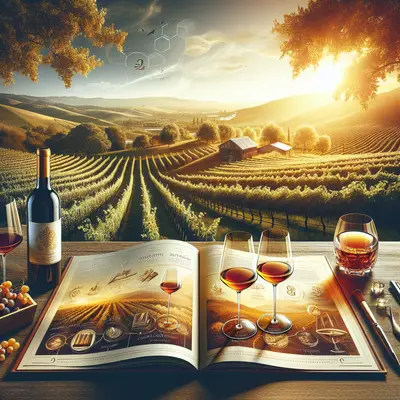
Premium wineries often express their philosophy through vineyard architecture long before a bottle is opened. The spacing of vines, the training system, and even the way rows contour a hillside all speak to intentional choices about ripeness, drainage, and sunlight. Enthusiasts who pay close attention begin to read these landscapes like an open book.
High-density planting in cooler climates can signal a pursuit of concentration and complexity, with vines competing for resources and digging deeper into the soil. Terraced, hillside vineyards often hint at precision work: hand harvesting, careful erosion control, and a focus on nuanced expressions of microclimate. Cover crops—those seemingly simple grasses and flowers between rows—tell another story. Legumes and deep-rooting plants can point toward a commitment to soil health, biodiversity, and long-term resilience.
Walking these vineyards with an attentive guide can reveal subtleties often missed on standard tours. The orientation of rows relative to the sun, the choice of rootstock, the presence of old vines versus young plantings—each small decision manifests later in the glass. The rarest luxury is not just tasting the wine, but recognizing its physical origin with each step through the vines.
Insight 2: Barrel Rooms as Quiet Laboratories of Texture
To the casual visitor, a barrel hall is a dramatic photographic backdrop. To a committed enthusiast, it is a laboratory of texture and time. Premium wineries use their barrel programs not only to flavor wine, but to sculpt its structure, mouthfeel, and longevity with astonishing precision.
The choice between French, American, or Central European oak, for instance, is far more than a stylistic gesture. French oak, with its tighter grain, is often favored for its ability to impart subtle spice and fine-grained tannins; American oak, with its looser grain, can deliver more pronounced notes of vanilla, coconut, and sweet spice when desired. Many high-end estates deploy a mosaic of cooperages (barrel makers) and toast levels, blending barrels the way an artist layers colors.
Premium wineries also experiment with alternatives to traditional barriques. Larger-format foudres can preserve freshness and purity of fruit, while concrete eggs or amphorae are used to emphasize texture and mineral expression without overt oak influence. Observing which vessels hold which wines—and how long they rest—offers a window into the estate’s aesthetic: is the goal power and opulence, or tension and clarity?
The most illuminating moment can come when a winery offers a comparative tasting from different barrels of the same vintage and variety. To the tuned-in palate, the differences in grain, toast, and oxygen exposure become an intricate tapestry of tactile impressions—silk versus satin, velvet versus fine suede—far beyond simple fruit descriptors.
Insight 3: The Art of Temperature and Light in Tasting Rituals
In premium settings, temperature is treated almost as another ingredient in the wine. Rather than serving everything at a single, generic “cellar temperature,” top wineries will adjust pours with remarkable nuance. Whites may arrive slightly cooler to preserve acidity and aromatic lift, then gradually warm in the glass to reveal texture and depth. Structured reds might begin a touch cooler than expected to accentuate freshness and restraint, slowly relaxing into plushness as they open.
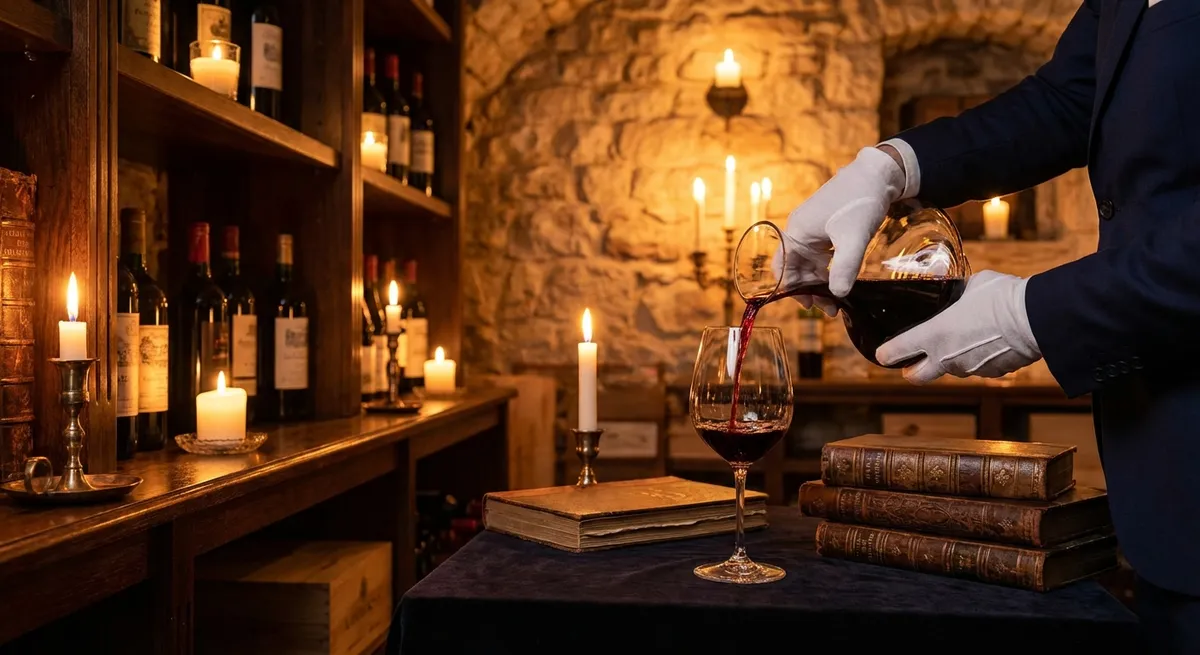
Light is equally choreographed. Tasting spaces often avoid harsh overhead fixtures in favor of indirect, diffuse illumination that flatters both the wine’s color and the guest’s comfort. Natural light filtered through stone, wood, or linen can soften reflections in the glass, making it easier to observe hue, rim variation, and clarity. Candlelight—subtly used—can lend a sense of ritual, but the finest wineries employ it sparingly, conscious that it can influence perception of color.
For enthusiasts, this attention to temperature and light becomes an invitation to taste more precisely. Noting how a wine’s aromatic profile shifts over fifteen to twenty minutes or how textures evolve as the glass warms can be as revelatory as learning about soil types or barrel programs. The most sophisticated wineries gently guide guests to observe this evolution, quietly elevating a simple “sip and swirl” into a meditative study of transformation.
Insight 4: Library Collections as Time Capsules of Philosophy
Many premium wineries maintain library collections—archived bottles spanning decades—not as mere trophies, but as a living record of philosophy. These carefully preserved vintages document changing approaches to viticulture, winemaking, and climate over time. For a serious enthusiast, access to a library tasting can be among the most profound experiences a winery can offer.
Tasting across multiple vintages of a single cuvée provides a rare opportunity to observe the intersection of human decision-making and natural variation. Warmer, riper years might show more opulence and darker fruit; cooler vintages may emphasize structure, acidity, and aromatic detail. Changes in cork selection, bottle shape, or label design over time can also hint at evolving priorities and identities.
The most thoughtful producers share these bottles sparingly, aware that each opening is an irreversible act. Tastings are often curated with intent: pairing younger vintages with older ones to illustrate how tannins integrate, how tertiary notes (like leather, forest floor, or dried flowers) emerge, and how balance can deepen rather than fade with age.
For the guest, a library tasting is an invitation to see the winery not as a brand, but as a lineage—of people, seasons, and decisions layered over time. It transforms the experience from simple consumption into a kind of dialogue with the past.
Insight 5: The Emerging Realm of Hyper-Personalized Pairings
Once, food and wine pairings followed relatively simple rules. In the most elevated winery experiences today, pairings are becoming intensely personal—responsive not just to the menu, but to the individual guest. Premium estates increasingly collaborate with chefs, sommeliers, and sensory specialists to curate pairings that consider texture preference, aroma sensitivity, and even environmental cues.
Rather than a fixed flight, some experiences begin with a brief palate “assessment”: a sequence of tastes or aromas that help the host intuit whether a guest gravitates toward brightness and tension or richness and depth. From there, dishes might be adjusted in real time—acidity modulated with a delicate vinaigrette or sweetness balanced with a savory note—to bring out nuance in a specific bottling.
Ambient context also plays a role. An alfresco pairing overlooking the vines may lean into wines with lifted aromatics and vibrant energy, aligning with open air and expansive views. A candlelit cellar dinner might highlight deeper, more contemplative bottles whose subtlety benefits from hushed surroundings and extended time in the glass.
For enthusiasts, these hyper-personalized pairings redefine luxury. The focus shifts from simply matching wine to food toward tailoring the entire sensory arc of the experience to the individual—respecting their preferences while gently encouraging exploration beyond familiar territory.
Conclusion
The true signature of a premium winery today is not spectacle, but intentionality. Every architectural line, every barrel choice, every moment of silence between pours contributes to an atmosphere where wine can be experienced with clarity and depth. For those who seek more than a quick tasting at a crowded bar, these estates offer something rarer: a carefully composed environment in which to sharpen perception, cultivate curiosity, and engage with wine as both craft and culture.
The most rewarding visits unfold not in grand gestures but in subtleties—an unexpected vineyard detour, a glimpse into the library cellar, a precise adjustment of glass temperature. For the attentive enthusiast, these details are where the real luxury resides: not in excess, but in exquisite control, devoted entirely to what is in the glass and the quiet, memorable moments that surround it.
Sources
- Wine Institute – California Wine Country Information – Overview of California wine regions, tourism insights, and the structure of winery experiences
- UC Davis Department of Viticulture and Enology – Research-based information on vineyard practices, barrel aging, and sensory evaluation
- Institute of Masters of Wine – Understanding Oak in Winemaking – In-depth discussion of oak types, barrel influence, and stylistic decisions
- Decanter – Library Wines and the Art of Cellaring – Exploration of aging, library collections, and how wines evolve over time
- Napa Valley Vintners – Visit Resources and Winery Experiences – Insight into premium winery visit structures, appointments, and curated tastings
Key Takeaway
The most important thing to remember from this article is that this information can change how you think about Premium Wineries.