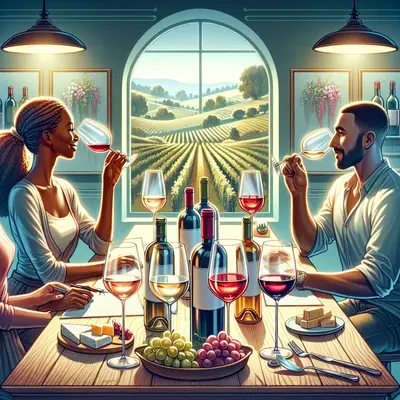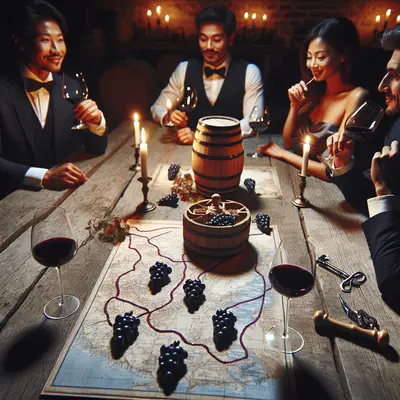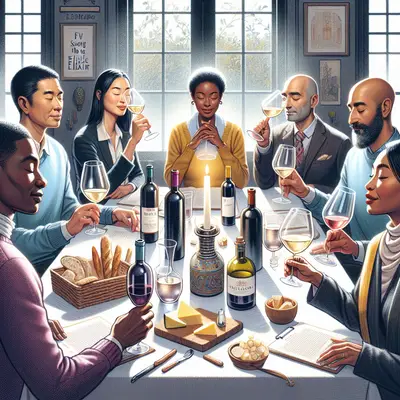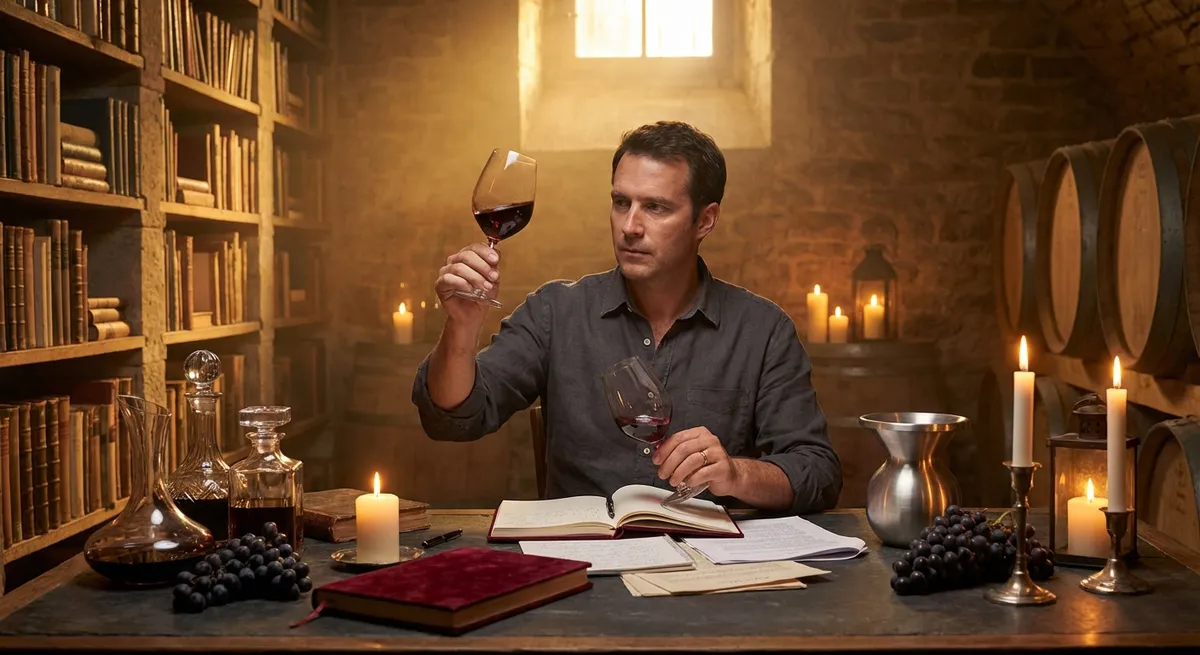
Wine tasting, at its highest expression, is less an activity and more a conversation—between place, time, and the person holding the glass. For travelers who seek experiences that whisper rather than shout, tasting wine becomes a way to listen to a landscape, one swirl at a time. This is not about spectacle, but about the quiet luxury of noticing what others overlook.
Below are five exclusive insights that seasoned enthusiasts tend to keep to themselves—nuances that transform tasting from a pleasant pastime into a truly cultivated ritual.
The Prelude Begins Before the Pour
The most discerning tasters know that the experience starts long before wine touches the glass. The room’s light, the ambient scent, and even the timbre of conversation shape how you will perceive what you are about to taste. Subtle aromas in the environment—perfume, freshly ground coffee, a recently lit candle—can mute an entire spectrum of a wine’s bouquet. The refined approach is to create a neutral aromatic space around you, even if that means stepping slightly away from the main crowd.
Temperature is equally crucial at this prelude stage. Whites served too cold become all structure and no soul, while reds served too warm can feel heavy and indistinct. A thoughtful enthusiast will pause and cradle a slightly chilled red between their hands, allowing it to ascend gently to its ideal range, rather than rushing to judgment on the first sip. In this moment, patience is not merely a virtue; it is a tuning key for your senses.
Reading the Glass: Texture as a Hidden Language
While color and clarity receive the most attention, true devotees linger on texture—the way wine moves in the glass and across the palate. The slow, silken draw of a wine down the inside of the bowl, the density of its “legs” or “tears,” offers clues not just about alcohol and viscosity, but about the deliberate choices made in the vineyard and cellar. It is an invitation to consider ripeness, extraction, and the shaping hand of the winemaker.
On the palate, texture is where luxury quietly reveals itself. Finesse often announces itself as a kind of tact: tannins that grip without scratching, acidity that lifts without piercing, weight that coats without clinging. Discerning tasters will often describe wines in tactile terms—powdered, satin, chalky, velvet, talc-like—because these sensations are more precise markers than simple flavor descriptors. To train this awareness, taste in thoughtful flights: compare two wines with similar aromas but different textures, and allow your attention to migrate from flavor to feel.
Aromatic Memory: Building a Private Library of Scents
Exceptional tasters do not rely on talent alone; they cultivate an inner archive of aromas that deepens with every experience, both inside and outside the tasting room. The scent of sun-warmed stones on a coastal path, fresh-cut quince at a market, a worn leather-bound book, dried chamomile in a teapot—these are not romantic flourishes, but practical reference points. When encountered later in a glass, they return like old acquaintances.
To refine this aromatic memory, dedicate moments during your travels to smell deliberately. In a vineyard, inhale the soil after a light rain; in a local market, pause over crates of just-picked fruit or bundles of herbs. When you encounter a striking aroma, assign it a precise name in your mind rather than a vague category (“wild thyme,” not just “herbaceous;” “blood orange zest,” not merely “citrus”). Over time, this private lexicon allows you to describe wines with nuance and confidence, turning tasting into an act of recollection as much as discovery.
Tasting in Chapters: Allowing the Wine to Unfold in Time
Fine wines are rarely static; they unfold in chapters, both in the glass and over the course of the bottle. The most rewarding tastings are those that honor this slow reveal. Instead of a single, hurried evaluation, return to the same wine across twenty or thirty minutes. Notice how the nose evolves from tightly coiled fruit to notes of spice, florals, or earth as oxygen coaxes dormant layers to the surface.
Between sips, resist the urge to move on too quickly. Observe the finish not just in terms of length, but in progression. Does it fade elegantly or fracture abruptly? Does a final, unexpected note—perhaps saline, mineral, or bitter in the most refined sense—leave a last whisper on the palate? Viewing each wine as a narrative rather than a snapshot invites a quieter, deeper enjoyment, where time itself becomes part of the tasting experience.
Harmony over Heroics: Pairing with Subtle Precision
For many enthusiasts, food and wine pairing is treated as a theater of bold statements—high-acid wines with rich dishes, sweet wines with desserts, sparkling wines as aperitifs. The connoisseur’s approach is subtler: the objective is not for wine to dominate or for food to dazzle, but for both to move in concert, each amplifying the other’s most nuanced qualities.
Refined pairing considers not only flavor but also intensity, texture, and preparation. A delicately poached fish with a whisper of citrus may be overwhelmed by an assertive oak-aged white, yet it can sing with a linear, mineral-driven wine whose quiet energy mirrors the dish’s restraint. Likewise, a slow-braised dish with layered spices often finds its ideal companion in a wine that offers gentle complexity rather than immediate power. The most telling indicator of a perfect pairing is this: when you reach for a second bite, then a second sip, and realize both have become more articulate than they were alone.
Conclusion
To taste wine at a sophisticated level is to move beyond labels, scores, and spectacle into a more intimate territory—one where attention becomes the rarest luxury. By shaping the prelude to each sip, attuning yourself to texture, cultivating aromatic memory, allowing wines to unfold in time, and favoring harmony over heroics at the table, you step into a quieter, richer dimension of enjoyment. In this world, each glass is not merely consumed, but deeply, attentively experienced—an elegant dialogue between you and the landscapes that crafted it.
Sources
- UC Davis Viticulture and Enology – Wine Tasting Basics - Foundational academic perspective on sensory wine evaluation
- Institute of Masters of Wine – Understanding Wine Quality - Professional insights into structure, balance, and quality assessment
- Wine & Spirit Education Trust (WSET) – Systematic Approach to Tasting - Structured framework for aroma, texture, and finish analysis
- GuildSomm – The Science of Tasting - In-depth look at sensory perception and tasting methodology
- Decanter – How to Taste Wine Like a Professional - Practical techniques aligning with advanced tasting practices
Key Takeaway
The most important thing to remember from this article is that this information can change how you think about Wine Tasting.