Traveling for wine is no longer about ticking off famous labels or snapping photos beside picturesque vines. For the serious wine enthusiast, a truly memorable wine tour feels more like a finely scored symphony—each movement calibrated for nuance, discovery, and quiet delight. It is about understanding place, people, and patience; about savoring the intervals between sips as much as the wines themselves.
Below, we explore how to design a wine journey worthy of your most discerning instincts—featuring five exclusive insights that transform a simple visit into a cultivated experience.
Curating a Sense of Place, Not Just a List of Wineries
A refined wine tour begins with terroir, not itineraries. Instead of asking, “Which wineries should I visit?” start with, “Which landscapes and microclimates intrigue me most?” Perhaps it is the maritime cool of coastal Pinot Noir country, the volcanic tension of Etna’s high-altitude vineyards, or the chalk and flint of iconic sparkling wine regions.
Once you anchor your trip in a specific sense of place, you can select producers that express that geography in distinct ways—old vines versus young, organic pioneers versus classic houses, hillside parcels versus valley floor. This approach allows you to taste the landscape through multiple lenses, deepening your understanding of how soil, exposure, and human decisions converge.
The most rewarding tours often weave in non-wine experiences that enrich your perception of the region: walking a ridge line above the vineyards at dawn, exploring local markets where producers shop, or visiting nearby cultural sites that shaped the region’s identity. In doing so, your glass becomes a reflection of context, not a standalone object of admiration.
Orchestrating the Day: Rhythm, Contrast, and Quiet
A premium wine tour respects your palate as much as your schedule. Rather than compressing six or seven tastings into a single day, think in terms of rhythm. Aim for three thoughtfully chosen experiences, each with a distinct character and tempo.
Begin with a contemplative, technical visit—perhaps a smaller estate where you can walk the vines, examine soils, and taste component wines from barrel or tank. This grounds your day in structure and learning. Follow with a lunch stop at an estate or nearby restaurant where local cuisine is paired with regional wines, allowing you to feel how the wines behave with food and time in the glass.
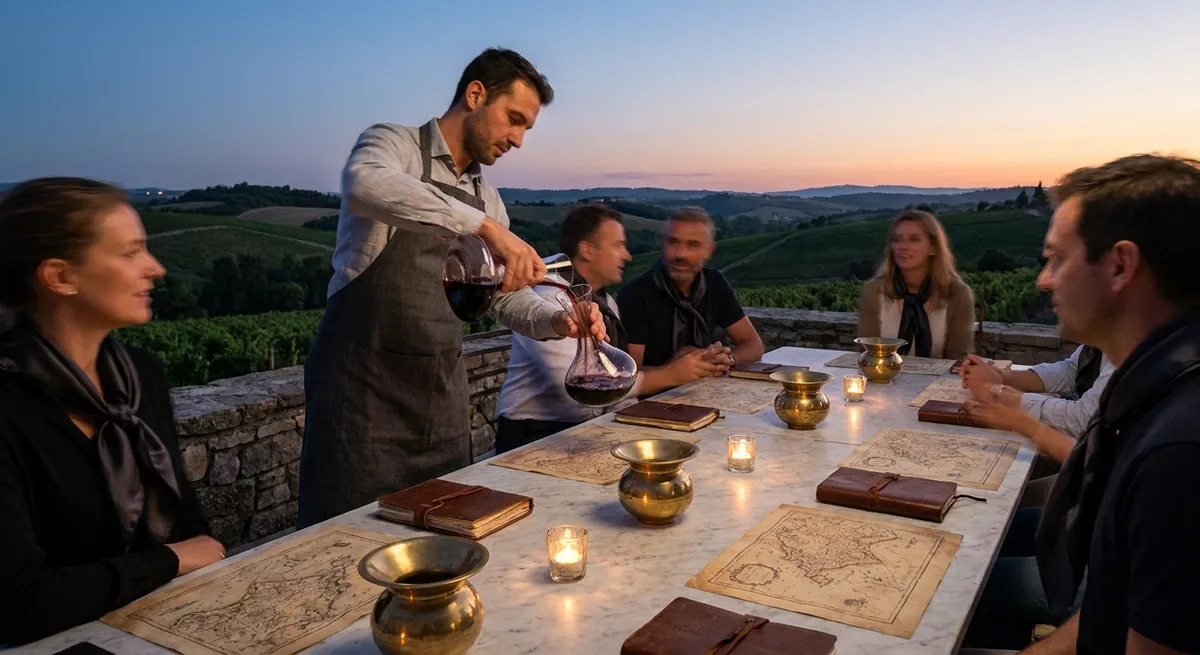
Reserve the late afternoon for a visit emphasizing atmosphere and hospitality: a terrace overlooking the valley at golden hour, a library tasting featuring older vintages, or a visit where the winemaker joins for an unhurried conversation. Build intentional moments of silence into your plan—time to sit, rehydrate, and record impressions. The most memorable tours have as many pauses as pours.
Five Exclusive Insights for the Serious Wine Traveler
Here are five under-the-radar considerations that seasoned enthusiasts quietly rely on—but rarely mention in glossy travel guides:
Harvest and Shoulder Seasons Reveal the Soul of a Region
Visiting just before or after harvest can be revelatory. In the pre-harvest weeks, tasting in the vineyard—sampling grapes at different ripeness levels—offers an intimate look at decision-making. In the post-harvest lull, winemakers often have more time for deeper conversations, and you may be invited to taste fermenting wines, learning to decode their future potential.
Component Tasting Transforms Understanding
When arranging visits, ask whether you might taste individual components: wines from different parcels, clones, or aging vessels (barrique vs. amphora vs. large cask). Comparing unfinished elements side by side gives you a window into the blending process and the estate’s stylistic choices. This is where a serious taster’s vocabulary truly deepens.
Verticals Tell You More Than Any Single Iconic Vintage
Rather than chasing only “great” years, request a small vertical of a single cuvée across multiple vintages if the estate offers it. Observing how a wine evolves through cooler, warmer, and challenging seasons reveals the producer’s consistency, resilience, and philosophy. Vertical tastings also sharpen your ability to discern structure, development, and age-worthiness.
Cellar Architecture Is a Clue, Not Just a Backdrop
Pay attention to the cellar itself: the choice of materials, the temperature stability, the arrangement of barrels, the integration of gravity-flow or gentle handling systems. These are not merely aesthetic choices—they often mirror the estate’s priorities regarding delicacy, extraction, and long-term aging. Reading the cellar’s architecture can tell you as much as the technical sheet.
Local Sommeliers Are Your Confidential Cartographers
One of the most discreet yet effective ways to access exceptional experiences is through trusted local sommeliers. Order thoughtfully, engage in conversation, and ask where they would take a fellow professional for an afternoon off. Sommeliers often know small, appointment-only producers who rarely appear in guidebooks, as well as under-the-radar vintages left on local lists at fair prices.
Conversing with the Vineyard: Elevating the Tasting Itself
A sophisticated wine tour reframes tasting from evaluation to dialogue. Instead of approaching each glass as something to “judge,” consider it a conversation with the place and the person behind it.
In the vineyard, observe canopy management, planting density, and soil cover. Note whether the vines look stressed or balanced, whether there’s evidence of organic or biodynamic practices, and how the estate interacts with its surrounding ecology. These details will later connect directly to texture, freshness, and aromatic profile in the glass.
During tastings, ask questions that open doors: how picking dates are decided, what percentage of new oak is used and why, how climate trends have influenced style over a decade. Move beyond “What grapes are in this?” to “What choice here most defines your signature?” Your questions, when thoughtful and unhurried, often lead to impromptu barrel samples, library bottles, or invitations to return.
Keeping a quiet, refined record—brief tasting notes, a note on the day’s light or the sounds in the cellar, the emotion the wine evokes—helps transform fleeting impressions into a personal archive of your journey. Over time, these notes become as cherished as the bottles you bring home.
Weaving Memory, Not Just Collecting Labels
The true luxury of a wine tour lies in what lingers after the journey: a deeper understanding of regions, a more articulate palate, and a set of intimate memories tied to specific bottles. When you later open a wine discovered on your travels, you are not merely uncorking fermented grapes—you are revisiting the hillside at dusk, the cadence of the winemaker’s voice, the cool, chalky air of the cellar.
Design your wine travels with this in mind. Choose fewer estates but richer encounters. Prioritize conversations over photo opportunities, and resonance over quantity. Let each day close with a moment of quiet reflection: a final glass, a handwritten note, a sense of what you learned—not only about the wines, but about how you wish to experience them in the future.
In doing so, your wine tours cease to be itineraries and become instead a curated collection of silken horizons—elegant, enduring, and distinctly your own.
Sources
- [Wine Institute – World Wine Regions Overview](https://www.wineinstitute.org/our-industry/world-wine-regions) – Background on major wine regions and the importance of geography and climate
- [UC Davis Department of Viticulture & Enology](https://wineserver.ucdavis.edu/) – Research-based insights into viticulture, enology, and factors affecting wine style and quality
- [Institute of Masters of Wine – Understanding Terroir](https://www.mastersofwine.org/knowledge/terroir) – In-depth exploration of terroir and its expression in wine
- [Decanter – How to Visit Wineries Like a Pro](https://www.decanter.com/wine-travel/how-to-visit-wineries-403709/) – Expert advice on planning winery visits and making the most of tastings
- [OIV (International Organisation of Vine and Wine)](https://www.oiv.int/en) – Global reference for viticulture and winemaking data, standards, and scientific resources
Key Takeaway
The most important thing to remember from this article is that this information can change how you think about Wine Tours.