Wine touring, at its most refined, is less about ticking estates off a list and more about orchestrating a sequence of sensory moments that feel almost tailor‑made. The most memorable experiences unfold not in hurried tastings at crowded bars, but in quiet corners of the vineyard, at cellar tables laid with glasses that glint under soft light, and in conversations that reveal how a place thinks about time, climate, and craft. For the attuned traveler, a wine tour becomes a silken journey—unhurried, deliberate, and deeply personal.
Below, we explore a more elevated lens on wine touring, shaped by five exclusive insights that serious wine enthusiasts will recognize and appreciate. These are not generic tips, but refined considerations that distinguish a pleasant day in wine country from an unforgettable one.
Designing the Arc: Curating a Narrative, Not a Route
Sophisticated wine travel begins with narrative, not navigation. Rather than plotting a string of unconnected appointments, consider the story you want the day—or the week—to tell. Are you tracing a river valley from its cool, tension‑driven whites at elevation to its structured reds downstream? Are you following a single grape variety across soil types, or exploring how different estates interpret the same appellation rules?
Choose no more than three to four visits in a day, arranged as chapters. Begin with a site that offers a strong sense of landscape—vineyard walks, topographical maps, soil pits—so that the terroir is imprinted in your mind before the first sip. Midday, pivot to an estate renowned for its cellar philosophy: amphorae vs. oak, native yeasts vs. selected, oxidative vs. reductive styles. Conclude at a property where hospitality is artfully choreographed: a seated tasting, perhaps with library vintages that demonstrate evolution over time. By the end, you are not simply recalling favorite wines, but a coherent narrative of place, method, and style that deepens your understanding of the region as a whole.
Reading the Vineyard: Subtle Clues Only Enthusiasts Notice
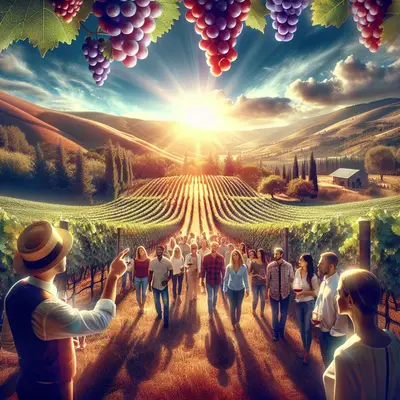
For the devoted enthusiast, the vineyard itself is as compelling as the glass. A refined wine tour involves learning to read the subtle cues written into the landscape—details most visitors never see, but which speak volumes about the estate’s priorities.
Observe row orientation and planting density. Tight spacing often signals a desire for competition among vines, concentrating fruit and moderating vigor, whereas wider plantings may be tuned to mechanization and specific climatic challenges. Note the canopy: is it manicured, with leaves thoughtfully thinned on the morning‑sun side to encourage gentle ripening while shielding from afternoon heat? Or is it more generous, suggesting a strategy to protect delicate aromatics in warmer climates?
Look down at the soil surface. Ground cover and wild herbs can indicate a commitment to biodiversity and erosion control, while bare earth may point to more interventionist practices—or a response to water stress. If you notice bird boxes, insect hotels, or sheep between the rows, these are tangible expressions of integrated farming philosophies, from organic and biodynamic to regenerative approaches. Asking informed, respectful questions about these observations often opens doors to deeper, candid conversations with viticulturists and owners, transforming a polite visit into a genuine exchange of expertise.
Beyond the Flight: Evaluating Cellar Philosophy, Not Just Flavors
Truly elevated tasting is less about declaring what you “like” and more about discerning what the estate is trying to say. The glass becomes a window into a cellar philosophy—choices about time, texture, and transparency that define a winery’s identity far more than a single vintage can.
Pay attention to the structural grammar of the wines: the balance of acidity to fruit, the grain of the tannins, the interplay of oak and freshness. Are the whites built on precision and linearity, or on breadth and creaminess? Do the reds emphasize elegance and length, or opulence and immediate charm? Ask quietly technical questions: length of élevage, percentage of new oak, size of casks, racking choices, and lees contact. When an estate offers parallel tastings—such as the same wine from different parcels, or a comparison between stainless steel, concrete, and barrel aging—treat these as masterclasses in style and intent.
Discerning enthusiasts will also pay close attention to how younger wines conceptually connect to their older siblings. If you are fortunate enough to taste mature vintages, consider whether the current releases are crafted with the same sense of longevity. A winery’s courage to release wines when they are ready, rather than simply when the market expects them, is often the most telling marker of its philosophy.
Private Rituals: Crafting Intimate Moments Within Public Experiences
Even in well‑known regions, the most exceptional experiences often come from creating your own quiet rituals within the broader hospitality framework. Premium wine touring is about engineering small pockets of intimacy and reflection, even in estates that may welcome dozens of guests a day.
When possible, opt for seated, appointment‑only tastings rather than drop‑in bars. Request a time that allows a few minutes before or after to walk the grounds alone—those transitional moments are where impressions settle and deepen. Consider organizing one tasting as a private, focused session centered on a single theme: vertical vintages, a particular parcel, or an experimental range. Bring a small notebook dedicated exclusively to these tours, not for verbose tasting notes, but for three or four precise descriptors per wine and any metaphors or impressions that arise from the visit.
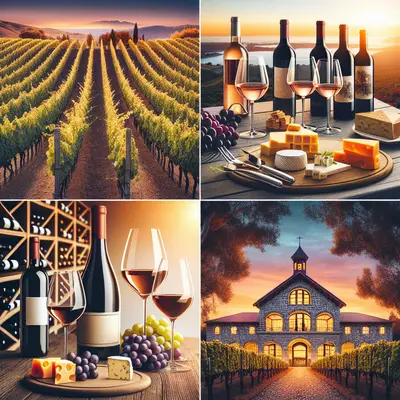
Incorporate a contemplative pause—perhaps a glass on a terrace at dusk or a simple picnic of local charcuterie and cheeses between appointments. These pauses are not indulgent extras but essential space for the palate to reset and for the mind to connect flavors with landscape, light, and atmosphere. Over time, it is these layered, personal rituals that turn wine touring from a social activity into a deeply individual practice.
The Legacy Lens: Thinking Like a Collector, Even If You Are Not One
One of the more discreet luxuries of an elevated wine tour is the opportunity to think in terms of legacy rather than immediate consumption. You need not be a grand collector to approach wine touring with this lens; you only need to ask: “What will this visit mean, ten years from now?”
When you discover a producer that resonates, consider acquiring a small vertical—perhaps three vintages of the same wine, or a trio that expresses different parcels. This modest “micro‑collection” becomes a time capsule of your journey, allowing you to revisit the estate’s evolution in the years ahead. Ask whether the winery maintains a library program or offers late‑release vintages; such bottles, though often limited, anchor your memories to a tangible sense of aging and patience.
Thinking like a collector also influences the questions you ask. How does the estate anticipate climate change in its vineyards? Are they adapting rootstocks, experimenting with canopy strategies, or adjusting harvest dates? What is their philosophy on cork, alternative closures, or bottle formats? These forward‑looking discussions reveal whether a winery is crafting wines for fleeting fashion or for enduring relevance. The most rewarding wine tours leave you with not only bottles to cellar, but also a quiet confidence that you have aligned your own long‑term tastes with producers who think in decades, not seasons.
Conclusion
A refined wine tour is not an itinerary; it is a composed experience that weaves together landscape, philosophy, and personal ritual. By designing a narrative arc, learning to read the vineyard’s subtle signals, engaging thoughtfully with cellar decisions, creating intimate moments within public spaces, and viewing your visits through a legacy‑minded lens, you transform wine country from a destination into a continuing dialogue.
For the discerning traveler, every future bottle from these estates becomes more than a beverage. It becomes a return ticket—to the precise light on the vines, the cool hush of the cellar, and the quietly confident conversations that shape the world’s most remarkable wines.
Sources
- [Wine Institute – Discover California Wine: Planning Your Visit](https://discovercaliforniawines.com/visit/planning-your-trip/) - Practical and regional context for planning thoughtful visits to wine regions, with an emphasis on responsible, quality‑focused experiences
- [Institute of Masters of Wine – Understanding Terroir](https://www.mastersofwine.org/what-is-wine/terroir) - An authoritative overview of how soil, climate, and topography shape wine style, relevant to reading vineyards and regions
- [UC Davis Department of Viticulture and Enology](https://wineserver.ucdavis.edu/industry-info/viticulture) - Research‑driven insights into viticulture practices, canopy management, and vineyard design that underpin many details observed on wine tours
- [Bordeaux Wine Council (CIVB) – Winemaking & Aging](https://www.bordeaux.com/us/Our-Terroir/Winemaking) - Clear explanations of cellar decisions, maturation, and blending philosophies that inform questions to ask in tastings
- [JancisRobinson.com – The Cellaring of Wine](https://www.jancisrobinson.com/learn/wine-course/wine-course-section-8-2-cellaring-wine) - Expert guidance on cellaring and thinking like a collector, useful for approaching wine tours with a long‑term perspective
Key Takeaway
The most important thing to remember from this article is that this information can change how you think about Wine Tours.