There is a moment, just before a first sip among the vines, when time seems to decelerate. The light falls differently, conversation softens, and the landscape becomes part of the wine itself. This is where an ordinary tasting ends and a truly privileged vineyard visit begins. For discerning travelers, the destination is not simply a glass of wine, but an experience composed with the precision of haute couture—tailored, layered, and quietly unforgettable.
Below are five exclusive insights that transform a vineyard visit from a pleasant outing into a refined ritual worthy of your most discerning expectations.
The Art of Arrival: Orchestrating Your First Impression
In the world’s most thoughtful estates, the experience begins before you step out of the car. Arrival is choreography. The curve of the driveway, the framing of a particular vineyard block, and even the timing of your visit relative to the sun’s trajectory are deliberate choices that shape your first impression.
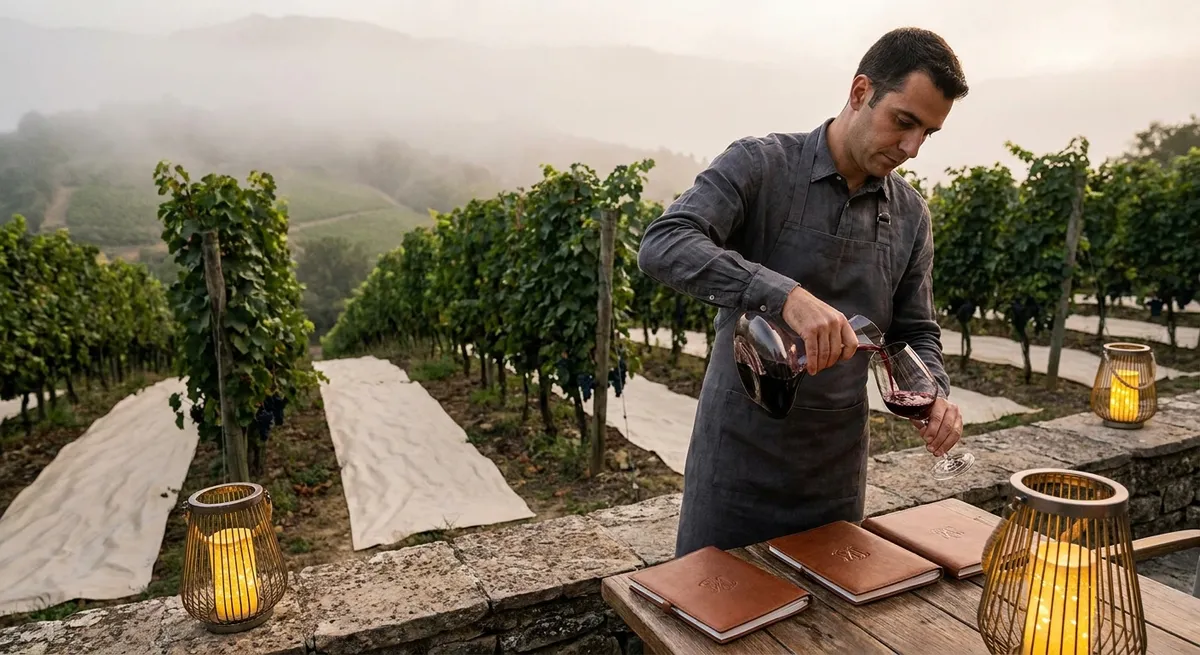
Sophisticated travelers understand that the most rewarding vineyard visits are rarely walk‑in affairs. A privately arranged appointment—ideally coordinated directly with the estate—allows the team to prepare a reception that feels composed rather than transactional. You may be greeted not with a generic tasting flight at a crowded bar, but with a single, impeccably chosen pour that introduces the estate’s character: a mineral‑driven white on a terrace overlooking the very hillside that nurtured it, or a library red poured in a cool stone salon that still whispers of barrels and hand‑written ledgers.
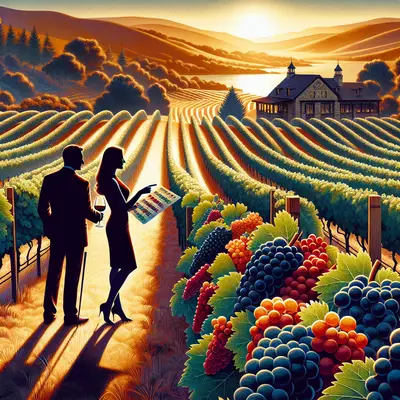
To elevate your own arrival, consider aligning it with the estate’s natural rhythm. Morning visits lend clarity and detail to aromatic whites and sparkling wines; late afternoon light flatters structured reds and casts the vineyards in an almost theatrical glow. Arrive neither rushed nor late—precision in timing signals respect and is often repaid in kind, with unhurried conversation, bespoke pours, and occasional access to spaces beyond the public eye.
Walking the Vines: Reading a Landscape Like a Wine Label
Wine labels tell part of the story; the vineyard tells the rest. For enthusiasts seeking deeper meaning in every glass, the most valuable moments often happen not in the tasting room, but on the soil itself.
A considered vineyard walk is not simply a stroll among rows of vines. It is a guided reading of the landscape. Observe how the slope changes underfoot, how the air cools as you move toward a tree line, how the light shifts from one parcel to the next. These nuances—aspect, elevation, exposure, airflow—are the quiet authors of a wine’s character. Ask to compare fruit from different blocks if you visit near harvest; tasting grapes from two adjacent parcels can be as revelatory as tasting two finished cuvées.
Cultivated estates will often share the subtleties of their farming philosophy in the vineyard rather than in a brochure. The presence of cover crops, wildflower borders, or mixed plantings among the vines can signal a commitment to biodiversity and soil health. The absence of chemical harshness in the air, the buzz of insects, and the softness of the ground underfoot all hint at organic, biodynamic, or regenerative practices that manifest later in the textural finesse of the wines.
By the time you return from the vines to the glass, you are no longer tasting an abstraction. You are tasting a slope, a wind pattern, a soil profile—a landscape you have quite literally walked.
Inside the Working Cellar: Where Technique Becomes Texture
Stepping into a working cellar is akin to being shown the atelier behind a couture collection. It is here that decisions of extraordinary subtlety determine whether a wine will be merely correct or genuinely profound.
When offered cellar access, treat it as an invitation to understand how philosophy becomes practice. Barrel rooms are not only photogenic; they are living archives of stylistic intent. The choice between new and neutral oak, large foudres or small barriques, stainless steel or concrete—each leaves an imprint on the wine’s eventual texture. A cellar lined with large, old casks suggests a preference for purity and nuance; one filled with small, younger barrels hints at a more sculpted, polished style.
Ask questions that move beyond the basic: How long are the wines aged on their lees, and why? How do they decide when to rack? What guides their choices at blending time? A thoughtful winemaker will often share how they adapt from vintage to vintage, revealing just how responsive, rather than formulaic, great winemaking must be.
The most privileged moments occur when barrel or tank samples enter the conversation. Tasting a wine in its unfinished state—cloudier, more angular, more direct—offers a rare glimpse into its potential. You begin to recognize structure before it is smoothed, fruit before it is framed, and minerality before it is polished. This understanding enriches your appreciation of the finished wines and offers a private, almost conspiratorial connection to the estate’s inner workings.
Curated Tastings: Moving Beyond the Standard Flight
At a refined estate, a tasting is not a line‑up—it is a narrative. While many wineries default to a standard flight, the most rewarding experiences arise when the wines are curated around your interests, level of knowledge, and aesthetic preferences.
Rather than accepting a preset list, articulate your curiosities: perhaps you are fascinated by single‑parcel expressions, interested in how a specific grape performs across vintages, or keen to explore the estate’s evolution over decades through a small vertical. A skilled host will respond with a sequence that reveals relationships—between soil types, vine age, or winemaking decisions—rather than simply presenting a progression from lightest to fullest.
For enthusiasts, glassware and serving temperature are not incidental details. Quietly note how the estate handles these. Are aromatically delicate wines given more generous bowl shapes? Are reds served slightly cooler than room temperature to preserve freshness and definition? Such details are markers of seriousness and signal that the estate views the tasting as an art form rather than a throughput exercise.
The most memorable tastings often include at least one unexpected element: a library bottle brought up from the depths, a rare cuvée normally reserved for members, or a side‑by‑side comparison that clarifies a concept you’ve only read about. These gestures, though small, create the sense that your visit is not interchangeable with any other—a hallmark of true luxury.
The Quiet Afterglow: Capturing and Extending the Experience
What happens after the final pour is as important as the tasting itself. Discerning visitors know that the most enduring value lies in what they carry home: not just bottles, but context, memory, and a deeper understanding of their own tastes.
Begin by writing, or at least dictating, immediate impressions while they are still vivid. Capture textural sensations, not just flavors: was the wine silken, taut, weightless, or architectural? Note the setting—the angle of the light in the tasting room, the scent of barrels in the cellar, the sound of gravel underfoot—these environmental details will reawaken the wines in your mind long after the bottles are gone.
Consider purchasing not only what impressed you most in the moment, but also wines that tell a coherent story together: perhaps a trio from different vineyard parcels, or the same cuvée across multiple vintages. Open them in the months or years to come, revisiting your notes from the visit. This practice turns your cellar into an ongoing dialogue with the estate.
Finally, maintain a discreet relationship with the winery. Thoughtful follow‑up—an email expressing appreciation for a particular detail of the visit, or a note years later describing how a bottle evolved—often leads to invitations to allocation lists, access to micro‑cuvées, or priority booking for future visits. In this way, a single afternoon among the vines can become the beginning of a long, enriching association rather than a one‑time escape.
Conclusion
A vineyard visit, at its most refined, is not a tourist activity but a carefully composed ritual—a temporary alignment of place, people, and palate. The distinction lies in attention: to arrival, to landscape, to craftsmanship, to the choreography of the tasting, and to the afterglow you deliberately carry forward.
For wine enthusiasts who seek more than a pleasant afternoon, these five insights offer a framework for cultivating experiences that feel both intimate and irreplaceable. When approached with curiosity, respect, and a taste for nuance, each visit becomes not just a journey to a vineyard, but a quiet expansion of how you understand and inhabit the world of wine.
Sources
- [Napa Valley Vintners – Visiting Wineries](https://napavalley.wine/plan-a-trip/visit-a-winery/) – Practical guidance from a leading regional association on structuring thoughtful winery visits and appointments
- [Wine Institute – Wine Country Travel Tips](https://wineinstitute.org/our-industry/consumer-tips/wine-country-travel-tips/) – Industry perspectives on etiquette, timing, and how to get the most from a visit
- [UC Davis Department of Viticulture and Enology](https://wineserver.ucdavis.edu/industry-info/viticulture) – Educational resources on vineyard factors (soil, slope, climate) that shape wine style and quality
- [Institute of Masters of Wine – Understanding Terroir](https://www.mastersofwine.org/what-is-a-master-of-wine/understanding-terroir) – In‑depth discussion of terroir and how landscape and viticulture translate into the glass
- [Decanter – How to Taste Wine Like a Professional](https://www.decanter.com/learn/how-to-taste-wine-steps-5152/) – Expert advice on structured tasting techniques that enrich curated experiences at wineries
Key Takeaway
The most important thing to remember from this article is that this information can change how you think about Vineyard Visits.