There is a realm of wine that rarely appears on glossy brochures or group tour itineraries. It is quiet, precise, and fiercely devoted to nuance—the world of truly premium wineries. Here, the experience is less about spectacle and more about intention. Every detail, from the angle of a hillside to the cadence of a cellar tasting, is curated to reveal wine at its most articulate. For the traveler who values refinement over fanfare, these estates offer something rare: time, space, and craftsmanship aligned in exquisite balance.
Where Elevation, Aspect, and Silence Shape the Glass
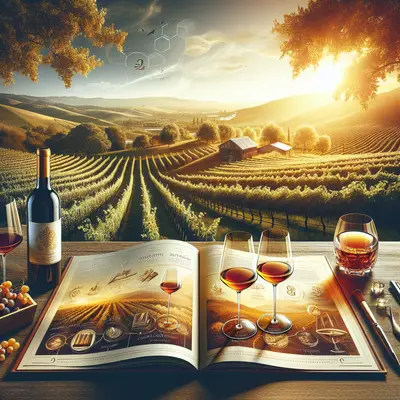
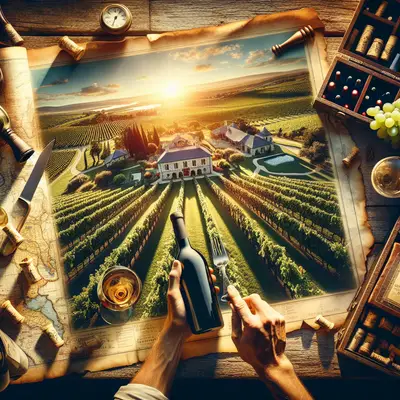
At premium wineries, terroir is not a concept; it is a lived architecture. The best sites are seldom the easiest to farm. They are steep, wind-brushed slopes with poor, stingy soils that force vines to struggle in all the right ways. Elevation tempers heat; aspect determines how the first and last light of the day touch the fruit. These micro-considerations yield wines with poise rather than power.
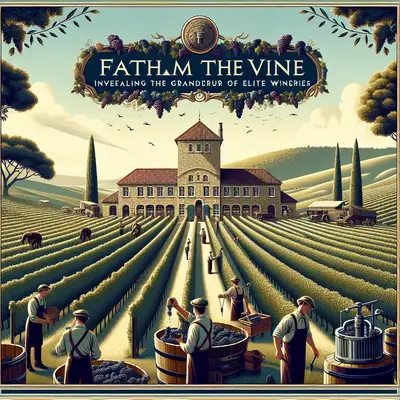
Walk such vineyards and you’ll notice a studied quiet. Tractor work is timed to avoid flowering; canopy management is adjusted row by row, not block by block. The winery team is often present in the vines, not simply in the cellar, reading the season leaf by leaf. This is where the character of the wine is largely decided—before a single grape crosses the threshold of the winery. Discerning visitors quickly understand that in these places, the view is not a backdrop for photographs; it is an active ingredient in the glass.
Beyond “Reserve”: The Invisible Architecture of Precision
Many wineries use labels like “reserve” loosely. Premium estates, by contrast, tend to speak softly but act with technical rigor. Their wines are not defined by what is added, but by what is resisted. Fermentations are nudged, not forced; the wine is guided rather than engineered.
Look closely and you will see the architecture of precision everywhere: temperature-controlled fermentations tuned to specific vineyard parcels; barrel programs that prioritize grain tightness, forest origin, and cooperage subtleties; analytical data used not to override instinct but to refine it. Decisions about lees contact, racking frequency, and blending are made through repeated, blind bench trials, often over months.
For the informed visitor, understanding this invisible framework is revelatory. The tasting becomes an exploration of intent: why this parcel in concrete and that parcel in neutral oak; why a fraction of whole-cluster here and destemming there. The wine’s texture, length, and aromatic definition reveal the cumulative effect of countless modest, deliberate choices.
The Tasting Room as Salon, Not Showroom
In many premium wineries, the tasting room feels less like a bar and more like an intimate salon. Appointments are often staggered to ensure that each party occupies the space almost privately. Conversation replaces sales pitch; time replaces urgency. Rather than a rapid progression through a fixed “flight,” the experience becomes a dialogue—your curiosities guiding the pace and focus.
Staff at this level typically move fluidly between storytelling and technical depth. They can recount the history of a parcel and then, without missing a beat, discuss soil cation exchange capacity or whole-bunch fermentation ratios. The glassware is chosen with discernment—sometimes changing shape mid-tasting to illustrate the impact of form on aroma and texture. Spittoons are generously provided and their use quietly respected; the emphasis is on discernment, not consumption.
For the enthusiast, this salon-like intimacy encourages a different posture. You are no longer a visitor to be entertained but a participant in a conversation about craft. Questions about vintage variation, blending strategies, and aging potential are not only welcome—they are the currency of the interaction.
Five Exclusive Insights Savored by Devoted Enthusiasts
Premium wineries often reveal their most compelling truths in subtleties that casual visitors miss. Seasoned wine travelers tend to look—and listen—for the following:
Parcel Identity Outweighs Grape Variety
At the highest level, the discussion quickly moves past “Cabernet vs. Pinot” to specific parcels, exposures, and soil types. Enthusiasts pay attention to how a winery talks about its blocks—by name, elevation, or historical performance across vintages. When a producer can describe a parcel’s temperament over a decade, you are likely in serious territory.
Vintage Honesty Is a Mark of Integrity
Premium estates do not pretend that every year is “exceptional.” Instead, they speak candidly about difficult seasons, smaller yields, or stylistic differences resulting from weather patterns. For the connoisseur, this candid vintage narrative is both reassuring and deeply informative, allowing you to collect and age with confidence and nuance.
Barrel Cellars as Libraries, Not Monuments
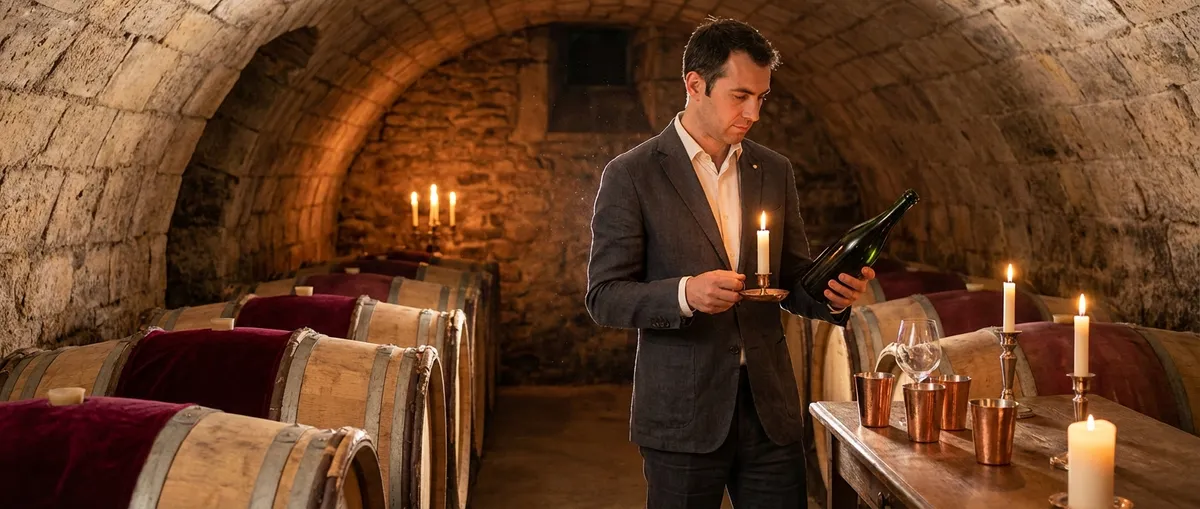
The most elevated cellars are not designed merely to impress. They function as living archives, where older vintages are periodically opened to calibrate current decisions. When a winery shares older bottles in a tasting, they are granting you access not just to rarity but to their internal reference points—the benchmarks they quietly hold themselves against.
Experimentation Is Precise, Not Fashion-Driven
Amphorae, concrete eggs, whole-cluster fermentations: at premium estates, these are not trends but tools, used selectively and documented meticulously. Look for evidence of disciplined experimentation—trials scaled up only after years of small-lot assessment. Enthusiasts recognize that true innovation in fine wine evolves slowly and is measured in nuance, not spectacle.
Allocation and Access Reflect Relationship, Not Scarcity Theater
Limited-production wines are often allocated, but the most thoughtful wineries resist turning scarcity into performance. Instead, they prioritize consistency—offering loyal visitors steady access over time. Attentive guests note how waitlists, allocations, and library releases are structured; the design often reveals the winery’s long-term philosophy about who they are really making wine for.
The Quiet Privilege of Time: Staying Longer, Tasting Deeper
The greatest luxury at premium wineries is not architecture, nor even rare bottles. It is time. The long, unhurried appointment—spanning vineyards, cellar, and tasting table—allows your palate to recalibrate from consumption to contemplation. A second pour of the same wine after fifteen minutes in the glass, a return to an earlier vintage after visiting the barrels: this is where understanding deepens.
Many estates will craft experiences around these elongated rhythms: vertical tastings that trace a single cuvée across a decade, comparative barrel samples that show the pre-blend components, or focused sessions on one grape from multiple sites. For the serious enthusiast, these moments reshape the way you perceive complexity. You begin to taste not just fruit and oak, but structure, evolution, and potential.
Leaving such a visit, the memory that lingers is rarely a single “best” wine. Rather, it is a sense of alignment—the feeling that site, season, craft, and conversation have all moved in concert. In a world saturated with spectacle, the premium winery offers something enduringly rare: an experience measured not by volume, but by clarity.
Conclusion
Premium wineries occupy a refined intersection of place, patience, and purpose. They are not defined by their price tags or their architecture, but by their insistence on coherence—between vineyard and glass, between philosophy and practice, between the guest and the story being poured. For the traveler willing to move beyond the obvious and the hurried, these estates offer a kind of hospitality that feels almost anachronistic: attentive, unhurried, and deeply informed.
To step into this world is to accept an invitation to pay closer attention—to texture, to time, and to the quiet decisions that separate the merely excellent from the truly profound. The reward is not just better wine, but a more finely tuned way of experiencing it.
Sources
- Wine Institute – California’s Premium Wine Regions – Overview of key regions and terroir factors that shape premium wine quality.
- Napa Valley Vintners – What Makes Napa Valley Unique – Details on climate, soils, and viticultural practices in one of the world’s leading premium wine regions.
- Institut National de l’Origine et de la Qualité (INAO) – Terroir and AOC – French governmental body explaining the role of terroir, appellations, and regulations in fine wine production.
- UC Davis Department of Viticulture and Enology – Research-based insights into winemaking techniques, fermentation management, and barrel aging at a technical level.
- Decanter – How to Taste Wine Like a Professional – Guidance on advanced tasting approaches that align with the experiences offered at premium wineries.
Key Takeaway
The most important thing to remember from this article is that this information can change how you think about Premium Wineries.