There is a quiet moment, just before you cross a winery’s threshold, when the air shifts. The outside world recedes, replaced by the cool hush of stone, the faint echo of barrels, a whisper of oak and time. Premium wineries excel at choreographing that moment—refining not only what is in the glass, but everything that surrounds it. For the traveler who seeks more than a tasting flight, these estates offer a layered experience: aesthetic, intellectual, and deeply sensory. This is where meticulous viticulture, disciplined restraint, and considered hospitality converge into something that feels—effortlessly—exceptional.
The Architecture of Intention: Spaces That Shape the Glass
In the world of premium wineries, architecture is never mere backdrop; it is a silent collaborator in how you experience each pour. From gravity-flow wineries carved into hillsides to glass-walled salons that frame vineyard rows like gallery pieces, the best estates use design to guide perception. Light levels are calibrated so that color is revealed without glare; acoustics are softened so that conversation feels intimate; temperature is managed not only for barrel and bottle, but for the comfort of the taster engaging in an extended, nuanced experience.
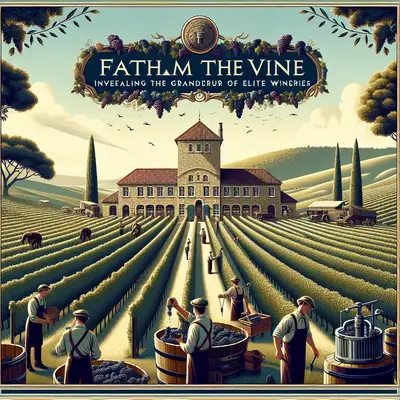
Many leading estates design their production facilities and tasting rooms as a single narrative. A walk through fermentation halls, into barrel cellars, and finally into a private tasting salon echoes the wine’s own journey from must to maturity. Premium properties frequently integrate local materials—stone, wood, clay—to anchor the winery visually and emotionally to its terroir. The result is a spatial experience in which every corridor, courtyard, and tasting nook subtly prepares your senses for greater focus and receptivity.
Beyond Terroir: The Precision of Micro-Expression
Wine enthusiasts are well-versed in the language of terroir, but premium wineries often work at an even finer granularity: micro-expression. Instead of simply emphasizing a region or appellation, they delineate specific parcels, soil strata, and exposures, crafting wines that express hyper-local nuance. This is not segmentation for its own sake; it is a disciplined attempt to reveal distinctions that less attentive viticulture would blur beyond recognition.
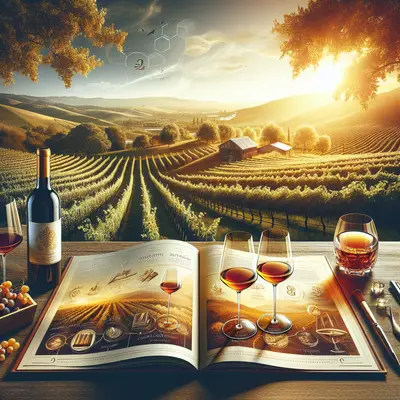
Estate viticulturists may walk the same rows daily, mapping vine vigor, monitoring canopy density, and recording precise variations in soil moisture and temperature. At this level, block selection becomes as critical as varietal selection. One slope might yield a taut, mineral-driven cuvée, while an adjacent parcel—separated only by a slight change in elevation or subsoil—produces a broader, more textural wine. Premium wineries increasingly bottle these differences, offering verticals and comparative tastings that allow guests to experience the fine gradations that define great terroir in practice, not just in theory.
Exclusive Insight #1: Premium wineries rarely speak only of “vineyards”; they speak of sections within sections. For enthusiasts, requesting a guided comparison of micro-parcels—when available—can unlock a deeper, almost cartographic understanding of place.
The Invisible Craft: Time, Texture, and the Art of Restraint
Exceptional estates distinguish themselves as much by what they do not do as by what they do. Winemaking decisions at the premium level are often defined by restraint—an insistence on allowing natural structure, acidity, and aromatics to remain intact rather than polished into uniform smoothness. Fermentations may rely on native yeasts; extraction may be carefully moderated; new oak is used as a structural element, not a signature perfume.
Time becomes a primary tool. Extended aging—whether in barrel, large-format cask, amphora, or concrete—permits a slow integration of components that cannot be rushed by technical intervention. Bottles may be held back for years before release, tying up capital but offering the guest a rare experience: tasting a wine when the estate believes it has truly begun to speak. This deliberate pacing is one of the quiet luxuries of top-tier wineries, where the pressure to release quickly is subordinated to the pursuit of balance.
Exclusive Insight #2: A premium winery’s true philosophy is often revealed in its release schedule. Ask which wines are deliberately withheld from the market and why; the answer will tell you more than any marketing brochure.
Curated Encounters: Hospitality as a Fine Art
At premium wineries, hospitality is not performance; it is curation. Rather than rushing through a standardized script, hosts often function more like cultural interpreters—translating technical detail into narrative, and gauging each guest’s interest with subtle precision. Appointments are frequently staggered to avoid crowding, ensuring that conversations can unfold at a natural cadence and that questions can be answered in genuine depth.
The finest estates tailor the experience in real time. A guest with a background in science might be guided toward discussions of phenolic ripeness or soil microbiology; an art lover might be drawn into the visual language of label design or architectural motifs; a gastronomically inclined traveler might begin with a conversation about local producers, and how specific cuvées are shaped for the table. The wines remain constant, but the interpretive lens shifts, making the visit feel uniquely personal without sacrificing rigor.
Exclusive Insight #3: Look for how staff respond when you ask pointed, technical questions—or equally, when you admit you are still learning. In premium settings, true hospitality resides in the ability to calibrate depth without condescension or pretense.
Five Exclusive Insights for the Devoted Enthusiast
Premium wineries reveal their character in details that are easy to miss on a first visit. For those intent on going beyond the surface, these five insights can help you read an estate more clearly:
Library Access as a Marker of Confidence
Wineries that periodically open their library—for tastings, limited releases, or on-request samplings—demonstrate trust in the longevity of their wines. A well-curated vertical, even if modest in scale, speaks volumes about an estate’s age-worthiness and stylistic consistency over time.
Clarity of House Style Over Fashion
Instead of chasing trends (e.g., maximal ripeness in one decade, minimal intervention in the next), leading producers articulate a stable, long-term vision. You may hear them describe subtle evolutions in technique, but the core aesthetic—freshness vs. opulence, structure vs. charm—remains coherent across vintages.
Precision in Glassware and Service Rituals
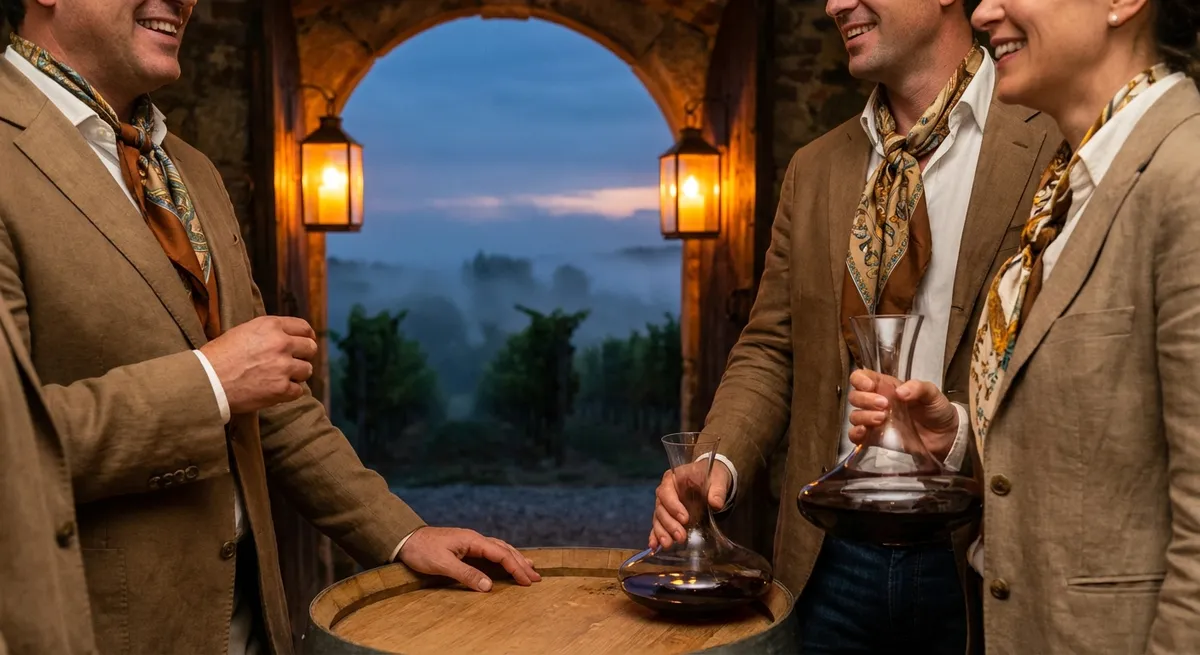
Many premium wineries invest not only in high-quality stemware, but in glassware specifically matched to varietal and structure. Temperature is checked, pours are measured, and decanting is handled with discretion rather than ceremony. These small rituals indicate an underlying respect for the wine’s architecture.
Vineyard-First Storytelling
When the conversation begins in the vines—row spacing, canopy work, soil health, biodiversity—rather than with medals, points, or celebrity endorsements, you are likely in a place where agronomy, not accolade, is the foundation. This focus often correlates with nuanced, site-transparent wines.
Intentional Silence in the Experience
Premium estates often allow moments of deliberate quiet: a few minutes alone in the barrel hall, a tasting on a terrace where the view is allowed to speak. These pauses create room for sensory concentration and reflection—an understated but powerful luxury.
Exclusive Insight #4: When offered, always take the opportunity to taste a back-vintage alongside a current release. The contrast reveals not only the wine’s evolution, but the winery’s consistency of intent.
Exclusive Insight #5: Ask to see where experimentation happens—an isolated block, a few trial barrels, a micro-vinification project. Many premium estates maintain a “quiet lab” of future ideas, and seeing it provides a preview of where their style may be headed in the coming decade.
Pairing the Journey: Integrating Place, Culture, and Time
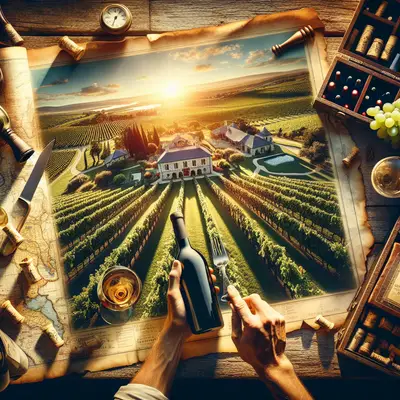
Visiting a premium winery is rarely about a single estate; it is about embedding that visit into a thoughtful itinerary that respects the broader region. Top properties often maintain close relationships with neighboring growers, local artisans, and regional culinary institutions. They may recommend restaurants that understand their wines intimately or suggest a particular time of day when the light in the vineyards is especially expressive for a walk or photograph.
Aligning your visit with the rhythm of the year—budbreak, veraison, harvest, or the stillness of winter—can transform the experience. Harvest visits offer a vivid encounter with energy and movement; winter visits, by contrast, highlight the quiet, meditative side of the craft, when the work shifts inward to cellar and blending. Premium wineries tend to receive fewer casual visitors in the off-season, which can mean more time, more depth, and occasionally access to spaces or conversations not easily available at peak times.
Conclusion
Premium wineries are not defined solely by price, scarcity, or spectacle; they are defined by intention made visible—in the vineyard, the cellar, the glass, and the way they welcome you into their world. For the discerning traveler, the most rewarding visits unfold not as hurried checklists, but as carefully observed conversations with place and craft. Seek out the details: the micro-parcel tasting, the quiet corner of the cellar, the library bottle poured without fanfare. It is in these refined gestures that the true soul of a great estate is revealed—and where wine transcends tourism to become a lasting, resonant memory.
Sources
- Wine Institute – California Wine Country Facts – Overview of California wine regions, production, and tourism context
- Napa Valley Vintners – Napa Valley Terroir – Detailed explanation of microclimates, soils, and terroir expression in a leading premium region
- Bordeaux.com – Understanding the Terroir of Bordeaux – Insight into how top estates interpret terroir, parcels, and vineyard diversity
- Harvard T.H. Chan School of Public Health – Alcohol: Balancing Risks and Benefits – Evidence-based overview of health considerations related to wine and alcohol consumption
- OIV (International Organisation of Vine and Wine) – State of the World Vine and Wine Sector 2023 – Global data and trends that frame the context for premium wine production and aging practices
Key Takeaway
The most important thing to remember from this article is that this information can change how you think about Premium Wineries.