There is a moment, just after the gate closes behind you, when a truly premium winery reveals its intent. The gravel is quieter, the air somehow more composed, and every detail — from the slope of the vines to the weight of the glassware — feels deliberately orchestrated. This is not about ostentation or spectacle. It is about precision, time, and a quiet confidence in the wine itself. For travelers who seek more than a standard tasting flight, understanding what defines a genuinely elevated winery experience can transform every future visit.
Below are five exclusive, insider-level insights that seasoned enthusiasts use to distinguish a polished façade from authentic excellence — and to recognize when they have stepped into something rare.
The Quiet Power of Vineyard Architecture
Long before you raise a glass, the architecture of the vineyard and winery is already telling you how seriously the estate treats its craft. In premium estates, the buildings are not merely beautiful; they are functional instruments in the winemaking symphony.
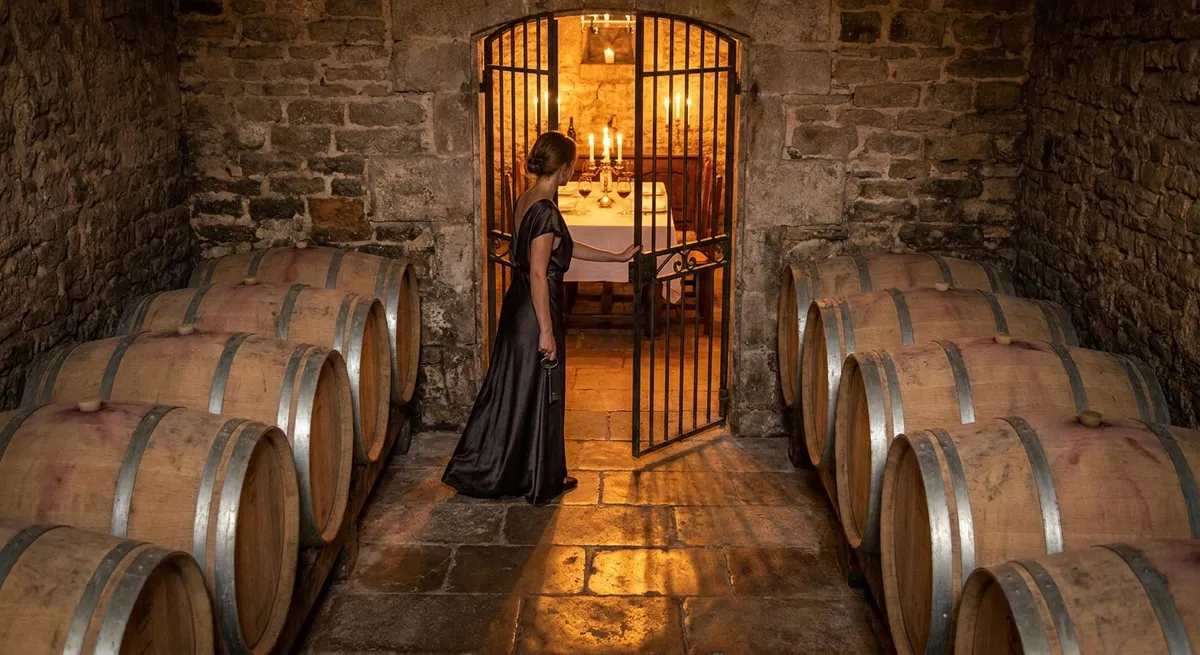
Notice the way the cellar is designed: gravity-flow wineries minimize pumping, preserving delicate aromatics; underground barrel halls leverage consistent natural temperatures and humidity. Thoughtful orientation of buildings respects airflow, sunlight, and vineyard views, creating both aesthetic pleasure and optimal conditions for production. The most discerning wineries often integrate architecture into the landscape instead of imposing upon it, using materials that age gracefully — stone, wood, copper, weathered steel — signaling a long-term view that mirrors the patience of barrel aging.
Pay attention to transitional spaces: how you move from vineyard to cellar, from barrel to tasting room. Premium wineries choreograph these transitions to prepare your senses — darker corridors, cooler temperatures, muted acoustics. The architecture doesn’t shout luxury; it whispers intent. When a property is designed as a coherent ecosystem rather than a collection of impressive rooms, you are likely in the hands of a winery that thinks just as holistically about its wines.
The Signature of Time: How Patience Becomes a Luxury
For truly premium wineries, time is their most extravagant ingredient. You can see it in the length of élevage (the period between fermentation and bottling), the age of their vines, and their willingness to release wines only when they are ready, not when the market is most convenient.
Look at vintage release patterns: top estates may hold back wines for years, allowing bottle age to resolve structure and integrate aromatics before the public ever sees a label. In the cellar, extended lees contact in whites, or longer, carefully monitored maturation in barrel for reds, speaks to a house that chooses grace over speed. Some wineries maintain museum libraries of older vintages, not just for prestige, but as a living archive to study how their terroir unfolds over decades.
Ask about the age of the vines and whether they farm parcel by parcel. Older vines often yield less fruit but far more concentration and nuance. Where industrial producers chase volume, the most serious estates accept — and even celebrate — small yields as the price of complexity. Time becomes visible not only in the wine’s evolution, but in the winery’s long memory of its own land: knowing which plots shine in hot years, which excel in cool, and which require a gentle hand every season.
Precision in the Glass: Beyond “Good” to Textural Mastery
Most wine drinkers quickly recognize flavor; fewer are attuned to texture. Yet at premium wineries, texture is where the true artistry often hides. It is in the satin glide of a great Chardonnay, the filigreed tannins of a top Cabernet, the almost electric line of acidity in a high-altitude Riesling.
Listen to how the winemaker speaks about structure and mouthfeel. They will often talk in terms of tension, architecture, and proportion rather than just fruit descriptors. Premium estates make deliberate choices about tannin management — through gentle extraction, careful sorting, and restraint in maceration — that result in wines which feel both powerful and poised. Acidity is tuned, not tamed, giving lift without sharpness; alcohol is in harmony with the wine’s weight, never dominating.
During a tasting, focus on what happens from mid-palate to finish. Is there a seamless continuity, or does the wine collapse after a burst of flavor? Do the tannins resolve into a fine, almost powdery texture, or do they grip and stick? The best wineries achieve a sense of “quiet intensity”: nothing jarring, everything present. Once you begin to recognize textural finesse as a hallmark of quality, you will never read a tasting room the same way again.
Invisible Craft: The Art of Making Complexity Feel Effortless
In the world of premium wine, the most impressive work is often the least visible. Behind a seemingly simple, elegant glass can lie hundreds of micro-decisions — in the vineyard, in the cellar, and at the blending table. The hallmark of a great estate is the ability to hide this labor and present a wine that feels almost inevitable.
Observe how the winery discusses their farming. Words like “parcel selection,” “cover crops,” “canopy management,” and “hand sorting” are clues, but what matters more is the coherence of their philosophy. Do they pursue organic, biodynamic, or regenerative practices with depth and clarity, or simply as marketing language? At the top level, sustainability and soil health are not trends; they are preconditions for serious work with terroir.
Blend composition is another window into invisible craft. In regions that allow multiple varieties, ask why specific percentages were chosen. Thoughtful answers will speak to balance, aromatic lift, mid-palate density, or structural refinement. The best winemakers are remarkably precise about what each component contributes and ruthless about what doesn’t belong, even if it comes from coveted parcels.
Finally, consider consistency across difficult vintages. Any producer can shine in a “perfect” year. Premium wineries demonstrate their command when the weather conspires against them: producing wines that still reflect place and style without being forced or corrected into uniformity. That ability is never an accident; it is the cumulative, invisible craft of a team that knows both its land and its limits.
Composed Hospitality: When Service Reflects the Wine’s Integrity
At the highest level, hospitality is not about luxury decor or rehearsed speeches; it is about alignment. In premium wineries, the way you are received reflects the same values that shape the wine: precision, restraint, and authenticity.
Notice the pacing of your visit. Are you rushed through a series of pours, or are you given space to engage with each wine, to ask questions, to revisit a favorite? The finest estates curate their flights with intention, often beginning with a wine that calibrates your palate and concludes with a bottle that encapsulates the house’s philosophy. They may pour library vintages or small-production cuvées not available to the general market, not as a performance, but as a conversation.
The most telling sign is the depth of knowledge at every touchpoint. When even the person greeting you at the door can discuss soil types, vintage variations, and food pairings with quiet confidence, you are in a place where wine is a shared language, not a script. Service is attentive but unintrusive; recommendations feel personal rather than pushy. Preferred guests may find their stems prepared, their preferences remembered, and their itineraries gently shaped to introduce them to neighboring estates of similar caliber.
Above all, there is a sense of calm. Premium hospitality doesn’t need to impress; it aims to reveal. It creates a setting in which the wine can speak clearly, and in which your experience feels less like a transaction and more like a discreet invitation into the winery’s inner world.
Conclusion
Discovering a truly premium winery is less about chasing famous names and more about learning to read subtle cues: the integrity of the architecture, the patience of the cellar, the precision of texture, the invisible craft behind the blend, and the composed confidence of the hospitality. When these elements align, you step into an experience that feels both deeply considered and effortlessly natural.
For the discerning traveler, these five insights become a quiet compass. They allow you to move beyond labels and ratings and to recognize, with increasing certainty, when a winery is not merely making excellent wine, but practicing a sustained, thoughtful artistry. On your next journey with Wine Tour Adventures, bring this lens — and you may find that the most profound luxury is not extravagance, but the rare elegance of doing everything, quietly, to its highest possible standard.
Sources
- [University of California, Davis – Viticulture and Enology](https://caes.ucdavis.edu/departments/ve) - Foundational research on vineyard management, winemaking techniques, and the science behind quality wine
- [Decanter – Gravity-Flow Wineries Explained](https://www.decanter.com/learn/wine-terminology/what-is-a-gravity-flow-winery-295884/) - Overview of how gravity-flow design influences wine quality and cellar architecture
- [USDA – Organic Agriculture](https://www.usda.gov/topics/organic) - Background on organic farming principles often adopted by high-end wineries for terroir expression and sustainability
- [Wine Spectator – The Importance of Old Vines](https://www.winespectator.com/articles/are-wines-from-old-vines-really-better) - Discussion of how vine age affects concentration, yield, and complexity in premium wines
- [Institute of Masters of Wine – The Structure of Wine](https://www.mastersofwine.org/wine-education/the-structure-of-wine) - Insight into acidity, tannin, texture, and balance as core elements of fine wine craftsmanship
Key Takeaway
The most important thing to remember from this article is that this information can change how you think about Premium Wineries.