The most memorable premium wineries rarely shout their credentials; they reveal them through detail, precision, and a quiet confidence in their craft. For the discerning traveler, understanding what truly distinguishes a premium estate transforms a pleasant visit into something far more resonant—a study in place, time, and exacting human intention. Beyond polished tasting rooms and sweeping views, there are subtler indicators that a winery is operating at the highest level. These are the cues that seasoned collectors and dedicated enthusiasts watch for, often long before a first sip touches the glass.
The Architecture of Intent: Design that Serves the Wine
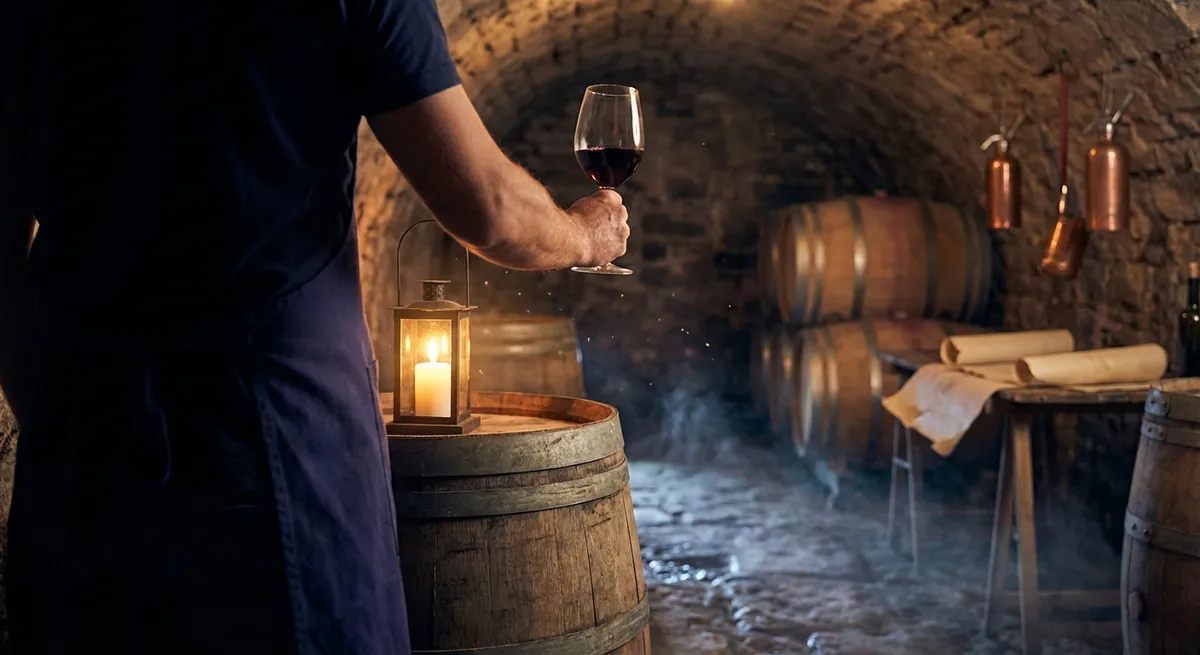
At premium estates, architecture is never merely decorative; it is a tool calibrated to preserve freshness, nuance, and distinction in the wine. Thoughtfully designed wineries orient cellars partially or fully underground to harness natural insulation, maintaining stable temperatures with minimal intervention. Barrel halls are often aligned to encourage gentle airflow, while thick stone, concrete, or rammed-earth walls help buffer against external climatic shifts.
Lighting tells its own story. In cellars where ultraviolet exposure is kept minimal—via low, warm lighting or discreetly shielded fixtures—the focus is on long-term bottle and barrel health rather than theatrical effect. Ceiling height, too, is calibrated: high enough to stabilize temperature and humidity, low enough to avoid unnecessary volume that’s difficult to regulate.
The flow from vineyard to crush pad to fermentation room reveals a winery’s priorities. Gravity-flow or multi-level designs, where grapes and juice move downwards with minimal pumping, speak to a commitment to gentle handling. Well-placed stainless steel tanks, sorting tables, and barrel rooms suggest that every step has been orchestrated to reduce oxygen shock, protect aromatics, and preserve the integrity of each parcel of fruit. For enthusiasts attuned to these details, the building itself becomes an intimate map of the winery’s philosophy.
Vineyard Obsession: Micro-Parcels, Not Just Grand Views
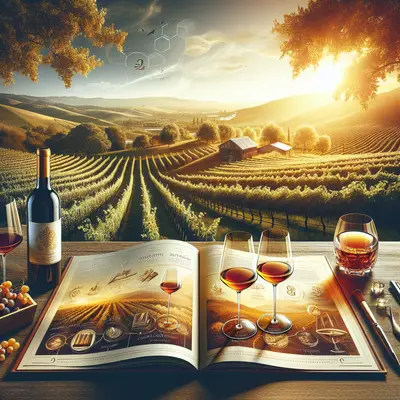
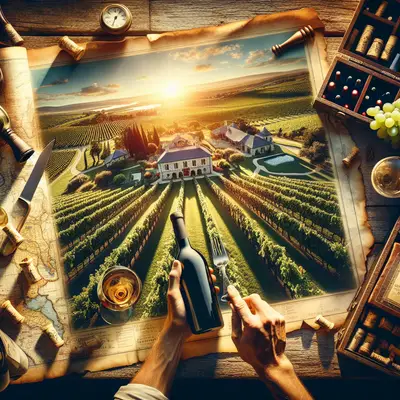
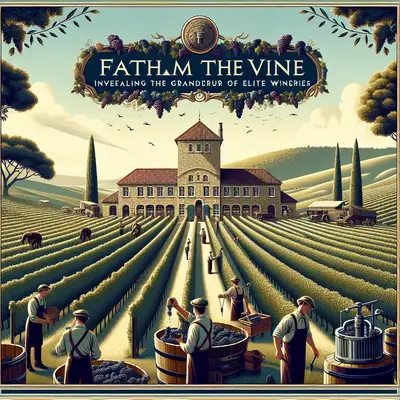
A premium winery’s true center of gravity is not the tasting room but the vineyard. Here, the difference lies in how obsessively small details are managed. Rather than treating a hillside as a single block, elite producers often divide it into micro-parcels based on subtle variations in soil type, drainage, exposure, and even wind flow. Two rows that look identical from a distance may, in practice, be farmed differently, harvested separately, and vinified on their own to respect their unique expression.
Viticultural choices are executed with precision rather than fashion. Low yields are not pursued for bragging rights but for balance; canopy management is tailored to protect berries from sunburn while encouraging slow, even ripening. In cooler or variable climates, you may see weather stations nested among vines, or infrared mapping used to identify temperature differentials within a single plot. These data inform decisions on harvest date, picking sequence, and even clonal selections over time.
Soil health is treated as a multi-decade investment. Instead of heavy reliance on synthetic inputs, many premium producers focus on organic matter, cover crops, and microbial life, not simply for sustainability but because they believe vibrant soils produce wines of greater texture and complexity. When you hear vineyard staff speak in specifics—about rootstock choices, clonal trials, or how one parcel responds differently to a particular pruning method—you are not just listening to technical detail. You are hearing the language of a winery that understands its land intimately and intends to express it with precision.
Quiet Precision in the Cellar: Where Restraint Becomes Luxury
The cellar of a true premium winery is less a stage for theatrics and more a laboratory of measured restraint. While the presence of new French oak barrels or top-tier concrete tanks can signal investment, what matters more is how judiciously they are used. Instead of blanket recipes (“50% new oak every year”), you’ll find that top winemakers adjust their approach vintage by vintage, and even parcel by parcel, based on the character of the fruit.
Temperature-controlled fermentations are fine-tuned to the style and variety, with cooler fermentations preserving delicate aromatics for whites and rosés, and carefully managed, slightly warmer temperatures coaxing structure and complexity from reds. Extended maceration is a considered choice, not a default—employed where tannin quality and fruit depth can support it, and restrained where elegance and lift are paramount.
One of the most exclusive insights in premium winemaking is the value placed on “hidden” time: lees aging in tank or barrel to build texture, élevage in larger neutral vessels to integrate components without overt oak, or bottle aging at the estate before release. These decisions tie up capital and space, but they yield wines that arrive in the consumer’s hands at a more harmonious stage of their evolution.
Crucially, the cellar philosophy tends to be coherent and traceable. Whether the goal is crystalline purity, powerful structure, or layered opulence, every choice—from yeast selection to rackings, from fining to filtration—is aligned with that intention. When you taste, you’re experiencing the sum of these quiet decisions.
Five Exclusive Insights Discerning Enthusiasts Notice
For travelers seeking truly elevated experiences, recognizing the finer markers of excellence turns a visit into a masterclass. These five insights often distinguish the merely polished from the genuinely exceptional:
Parcel-Driven Tasting Flights, Not Just Varietal Lineups
Premium wineries frequently present wines organized by site, elevation, or soil series rather than simply by grape variety. A flight that compares, for instance, two chardonnays from different slopes or two cabernets from distinct terraces reveals a producer intent on exploring terroir, not just style. This approach invites you into their internal dialogue about place.
Transparency About Decisions and Trade-Offs
When winemakers or educators speak openly about difficult vintages, reduced yields, or parcels declassified into a second label, it is a sign of integrity. Discerning enthusiasts prize producers willing to explain why certain barrels were blended out, why release dates were delayed, or why they skipped a top cuvée in a challenging year. Luxury here is rooted in honesty, not gloss.
Library Context as a Tasting Framework
A hallmark of serious estates is access—however limited—to older vintages. Tasting a current release alongside a carefully aged bottle allows you to see how tannins resolve, how acidity carries, and how oak integrates over time. For the attentive palate, this is a blueprint of the winery’s long-term vision: wines designed to evolve gracefully rather than merely impress on release.
The Texture of Hospitality: Knowledge Over Performance
In genuinely premium environments, hospitality staff are selected for depth of knowledge and sensory acuity, not just charm. They can explain, with clarity and precision, the difference between two clones of the same grape, the impact of a particular barrel cooper, or how a vineyard’s diurnal shift shapes structure. Service feels composed, unhurried, and tailored—questions are welcomed, not deflected.
Consistency of Identity Across Vintages, Not Uniformity of Flavors
High-end wineries do not strive for identical wines every year; instead, they pursue a consistent identity that accommodates vintage variation. When you track releases over multiple years, you should recognize a signature—perhaps a certain linearity, a persistent minerality, or a particular kind of tannin—while still perceiving the differences between warm and cool years. Enthusiasts learn to value this dynamic continuity as a more authentic expression of the estate’s character.
Curated Experiences: Beyond the Standard Tasting
What sets a premium winery visit apart is not merely exclusivity, but the thoughtfulness with which time and attention are orchestrated. Private, appointment-only tastings often take place away from the main bar, in a quiet salon, library, or overlooking a key vineyard parcel. The pacing allows for conversation and follow-up questions—an exploration rather than a scripted presentation.
More immersive experiences might include walking the vineyards with a viticulturist, sampling from different blocks to taste how exposure and soil shift flavor and structure. Barrel tastings, when executed seriously, offer a glimpse into the components before final blending, revealing how the estate assembles its flagship wines like a perfumer composing a fragrance.
Food pairings at this level move beyond simple cheese boards. Thoughtfully constructed menus, whether casual or elaborate, are designed to echo and highlight the architecture of the wines: salt and acidity to amplify freshness, delicate textures to avoid overwhelming nuance, umami to enhance depth. The intent is not to overwhelm with luxury for its own sake, but to create conditions in which each wine can be understood more precisely.
Above all, premium experiences are calibrated rather than ostentatious. Reservations are limited not merely to signal exclusivity but to ensure that each guest can be engaged in a way that is genuinely personal—where preferences, curiosity, and prior knowledge are taken into account.
Reading the Cellar Book: The Long View of a Premium Estate
A defining trait of truly premium wineries is their orientation toward decades, not seasons. Estate archives—formal or informal—can be revealing: vertical collections of key cuvées, notes on experimental lots, records of vineyard replanting, and long-term cooperage partnerships. These elements speak to continuity, discipline, and a willingness to refine rather than constantly reinvent.
Some estates embrace research collaborations with universities or ampelography institutes, using academic insights to inform rootstock selection, irrigation strategy, or disease resilience. Others invest heavily in replanting programs spaced over many years, accepting temporary reductions in production for a more compelling vineyard mosaic in the future.
For the traveler, it can be illuminating to ask how the estate sees its wines at 10, 20, or even 30 years of age, and whether there are vintages they view as turning points. The way they respond—whether they reference shifts in canopy management, changes in barrel regimen, or lessons from extreme weather years—reveals how deeply they engage with their own history.
Collecting wines from such producers becomes less about acquiring trophies and more about participating in an unfolding narrative. Each bottle you cellar is a chapter in the estate’s ongoing experiment with site, climate, and craft.
Conclusion
To move beyond surface impressions of luxury and truly appreciate premium wineries is to cultivate a refined sensitivity to intent, detail, and time. Architecture that protects rather than dazzles, vineyard practices informed by granular observation, cellar work guided by restraint, and experiences curated for insight rather than spectacle—these are the quiet signatures that separate the polished from the profound. For the discerning enthusiast, recognizing these subtleties does more than elevate a single visit; it reshapes how you travel, taste, and collect, transforming every encounter with a great estate into a deeper conversation with place and craftsmanship.
Sources
- [Wine Institute – Sustainable Winegrowing Practices](https://wineinstitute.org/our-work/sustainable-winegrowing) - Overview of viticultural and winery practices that underpin quality and sustainability in premium estates
- [UC Davis Department of Viticulture and Enology](https://wineserver.ucdavis.edu) - Research-based insights on vineyard management, fermentation, and cellar techniques used by top wineries
- [Bordeaux Wine Council (CIVB) – Terroir and Appellations](https://www.bordeaux.com/us/Our-terroir) - Detailed explanation of how site, soil, and climate are segmented and expressed in a leading fine-wine region
- [Institut National de l’Origine et de la Qualité (INAO)](https://www.inao.gouv.fr) - French governmental body outlining regulations, terroir classifications, and quality frameworks that many premium wineries operate within
- [Decanter – Guide to Fine Wine Cellar Management](https://www.decanter.com/learn/how-to-build-a-fine-wine-collection-485534) - Expert discussion of aging potential, library wines, and long-term approaches to premium wine production and collection
Key Takeaway
The most important thing to remember from this article is that this information can change how you think about Premium Wineries.