Wine tours, at their most refined, are not about racing through a checklist of famous labels. They are about arrival—into a landscape, a culture, and a way of paying attention that alters how you taste, travel, and remember. For those who seek more than the standard “bus, bar, and bottle” experience, the world of premium wine touring offers a quieter axis: precision, seasonality, and a kind of hospitality that feels almost bespoke.
What follows is an exploration of how to shape wine journeys that feel deliberately crafted rather than casually booked, along with five exclusive insights that seasoned wine devotees quietly rely on but rarely share.
Designing a Journey Around a Single Grape
Most travelers design their wine itinerary by region. The more sophisticated approach is to invert that: choose a single grape and let it guide your travels across its various expressions of terroir.
Imagine a journey built around Pinot Noir that moves from the limestone-laced vineyards of Burgundy to the coastal fog of Sonoma and the volcanic foothills of Central Otago. By following one grape across continents, you begin to taste with architectural clarity: how soil tension, elevation shift, diurnal temperature swings, and local winemaking philosophy etch themselves into the same varietal frame.
This approach is not about chasing “the best” examples, but about curating contrast: a producer working with whole-cluster fermentation versus one favoring de-stemming; a cool-climate site harvested at modest ripeness versus a sun-drenched vineyard pushing the upper boundaries of alcohol. The trip becomes a comparative masterclass, and each glass is no longer an isolated pleasure but a precise data point within a larger, elegantly structured narrative.
For wine enthusiasts accustomed to vertical tastings of a single estate, this is the geographic equivalent: a horizontal, cross-regional exploration that reveals just how eloquent one grape can be when allowed to speak multiple dialects.
Reading the Vineyard Before You Read the Wine
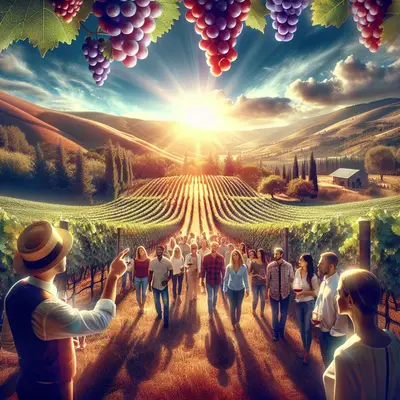
For many travelers, the tasting room is the destination. For the truly attentive, it is the epilogue; the story begins among the vines. The most enlightening wine tours are those that invite you into the vineyard first—and allow time to linger there.
As you walk through a site, observe the details that winemakers obsess over but rarely spotlight in public: the distance between vines and rows, the orientation toward the sun, the type of trellising, the cover crops underfoot. Note how the air feels—still or wind-brushed, humid or strikingly dry. These cues are part of the wine’s future vocabulary.
Exclusive Insight 1:
Ask to taste the same wine from parcels at different elevations or aspects when possible. Some estates will pour micro-lot or barrel samples from specific blocks for serious visitors. This granular view reveals why a seemingly small slope or shift in exposure can translate into radically different aromatic signatures and textural profiles.
When a winemaker later mentions “tension,” “energy,” or “mid-palate weight,” you’ll have a concrete memory of the hillside or riverbend that produced it. The vineyard ceases to be an abstract concept and begins to feel like a three-dimensional origin story for every glass you encounter.
Behind the Cellar Door: Quiet Privileges of the Serious Enthusiast
A truly elevated wine tour often takes place far from the public tasting bar—down a spiral staircase to a library cellar, alongside an experimental amphora, or in front of a single, unmarked barrel that will never see a supermarket shelf. Access to these quieter spaces is not simply a matter of budget; it is a matter of approach.
Exclusive Insight 2:
Serious wineries tend to respond to serious intent. When arranging a visit, share what genuinely interests you—whether it’s indigenous yeast fermentations, old-vine conservation, or soil health. The more specific your curiosity, the more likely the estate is to curate a visit that includes barrel samples, pre-release wines, or older vintages from their private archive.
Exclusive Insight 3:
Ask, respectfully, to taste a “work in progress.” Barrel or tank samples are not about scoring early access; they reveal the decision-making moments that never appear on a back label. Tasting an unfinished wine affords a glimpse into its structural bones—acidity, tannin, and texture—before élevage rounds the edges.
This is where a visit becomes genuinely privileged: not in the sense of luxury trappings, but in the opportunity to witness the conversation between vineyard and winemaker before the final, polished sentence is written.
Timing the Vintage: Traveling With the Rhythm of the Year
Most wine travelers ask, “When is the best season to visit?” A more nuanced question is, “Which part of the vintage cycle do I want to witness?” The answer transforms your tour from a static tasting into a dynamic, time-sensitive experience.
Exclusive Insight 4:
Structure different trips around different phases of the wine year. In late winter and early spring, you’ll be tasting the most recent vintage just beginning to show itself in barrel. Late spring reveals the bud break and the fragility of the new season. Summer visits allow you to walk through fully leafed vines, seeing canopy management and irrigation (or its deliberate absence) in action. Autumn harvest, of course, is theater: picking decisions, sorting tables, fermentations humming quietly in the background.
Each phase deepens a different aspect of your understanding. Visiting multiple regions at similar points in the cycle—say, Mediterranean climates versus continental ones during harvest—sharpens your ability to connect climatic conditions with stylistic outcomes. The wine in your glass becomes not only a place, but a specific moment, captured and preserved.
Over time, returning to a beloved region at different times of year creates an almost seasonal intimacy. You begin to anticipate what the wines will feel like long before a cork is pulled, simply by recalling how the sky looked and how the air moved over the vines when you last walked through them.
The Elevated Conversation: Moving Beyond “Like” and “Don’t Like”
The most rewarding wine tours leave you with more than memories of extraordinary bottles; they refine the way you talk about what you taste. Premium estates, particularly those that welcome experienced enthusiasts, are increasingly attuned to guests who want to advance their language, not just their cellar.
Exclusive Insight 5:
Use your visits to practice a more architectural vocabulary. Instead of declaring immediate preference, frame your impressions in terms of structure and intent. You might say: “The acidity feels linear, almost like a spine carrying the citrus notes” or “The tannins are powder-fine but persistent—they seem built for a long, slow evolution.” This type of conversation invites winemakers to respond in kind, often revealing why they chose specific cooperage, harvest dates, or blending decisions.
Ask about the estate’s “reference points”: Which wines, regions, or vintages serve as their internal benchmarks? The answer often uncovers a hidden lineage of influence—an alpine white shaped by a love of the Wachau, a coastal Syrah quietly in dialogue with the Northern Rhône. Once you understand these reference points, you read each wine differently, almost as a carefully written response to an ongoing global conversation.
These exchanges are the quiet apex of a truly premium wine tour: not ostentatious, but intellectually and sensorially generous, leaving you with a vocabulary fine-tuned enough to honor the wines you encounter long after you’ve left the estate.
Conclusion
At its highest expression, a wine tour is not an excursion but a syllabus: a thoughtfully constructed sequence of places, people, and glasses that refines how you perceive and articulate pleasure. Designing journeys around a single grape, beginning in the vineyard, stepping behind the cellar door, aligning your travels with the vintage’s rhythm, and elevating your tasting language are not mere refinements; they are the elements that transform a visit into an enduring education.
For the attentive traveler, each trip becomes an investment in nuance. Over time, your memories assemble into an intricate mosaic—sunlight on limestone, the scent of a cool barrel room, the gently firm handshake of a winemaker who has just stepped away from the sorting table. The bottles you bring home are not souvenirs; they are chapters of a story you have personally witnessed, ready to be re-opened and re-tasted, one careful pour at a time.
Sources
- Wine Institute – World Wine Statistics - Provides global context on wine production and regions that can inform destination choices for serious wine travelers.
- UC Davis Department of Viticulture and Enology - Offers technical insights into viticulture and enology that underpin many of the practices discussed, from vineyard management to cellar decisions.
- GuildSomm: Understanding Terroir - A detailed exploration of terroir and site expression, essential for appreciating vineyard-focused wine tours.
- Decanter – Wine Travel Guides - Curated articles on wine regions and estates worldwide, highlighting destinations aligned with premium, in-depth wine experiences.
- OIV (International Organisation of Vine and Wine) - Technical publications and reports on viticulture, climate, and global wine trends that enrich an advanced traveler’s understanding of the regions they visit.
Key Takeaway
The most important thing to remember from this article is that this information can change how you think about Wine Tours.