The most memorable wine tours rarely announce themselves with spectacle. They unfold quietly—with a perfectly timed arrival, a glass poured in just the right light, and conversations that move effortlessly from terroir to philosophy. For the traveler who seeks more than a checklist of famous labels, a wine journey becomes a study in nuance: of place, of people, and of time itself. This is where the vineyard evolves from destination to dialogue—and where every detail, if curated with intent, elevates the experience from pleasant to profound.
Designing a Journey Around the Hour, Not the Map
Most itineraries are built on geography: how many wineries, how far apart, how long to drive. The more refined approach begins instead with time—specifically, the rhythms of the vineyard and the cellar.
Arriving at a cool-climate estate in the late morning, when the sun has lifted but not yet hardened the light, yields a different tasting than the same lineup at dusk. Aromatics are more precise, acidity feels tighter, and your palate is fresher. Conversely, a late-afternoon visit to a Mediterranean climate region may showcase reds at their most expressive, warmed slightly by the ambient temperature, allowing tannins to soften and aromatics to expand.
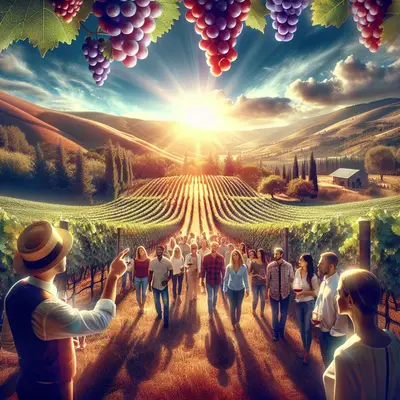
Exclusive experience often means negotiating with the clock: sunrise walks through the vines with the viticulturist while the canopy still holds traces of night humidity, or barrel tastings scheduled precisely when the cellar master is reviewing lots for blending. These are not add-ons—they are the quiet spine of a thoughtfully composed journey. The seasoned traveler plans fewer visits per day, but each selected for a specific hour, light, and temperature that frame the wines at their most articulate.
Reading a Vineyard Like a Library
To the observant traveler, a vineyard is less a postcard and more a text—one written in rows, soils, and exposures. Treating your wine tour as fieldwork in terroir transforms passive tasting into informed exploration.
Begin with the slope. Are the vines marching up a steep incline or resting in a gentle basin? Steeper vineyards often signal better drainage and more stress on the vine, concentrating flavors. Notice the row orientation: north–south plantings can balance sun exposure, while east–west may favor one side of the canopy, influencing ripeness and aromatic profile.
Then, look underfoot. Gravel, limestone fragments, volcanic ash, sandy loam—each points to a different structural expectation in the glass. Limestone-driven sites often produce wines with a refined spine of acidity; volcanic soils may lend a darker, more mineral-edged intensity. Walk the rows, feel the texture of the soil in your hand, and compare it to what you later perceive in the glass. This act of quiet observation becomes one of the most exclusive privileges of a wine tour: private access not to restricted rooms, but to the underlying logic of the place.
Moving Beyond the Tasting Flight: Conversational Tasting
The luxury of a premium wine tour is not simply what is poured, but who is pouring—and how. Instead of passively receiving a fixed flight, the discerning traveler engages in what may be called “conversational tasting,” where the lineup becomes fluid and responsive.
Rather than asking, “What is included in the tasting?” try asking, “What do you wish more visitors would taste side by side?” or “Is there a vintage that changed how you think about this vineyard?” These questions invite the host to move beyond the scripted progression and reveal comparison points: two parcels vinified separately, a cool vintage against a warm one, an experimental amphora alongside a classic barrel-aged wine.
In some cellars, conversational tasting leads to unscheduled access—an off-list library bottle opened to illustrate a point about aging, or a barrel sample drawn to show the evolution of tannin management. The exclusivity lies not in price or rarity alone, but in the intimacy of being guided through a producer’s questions, not merely their answers. You leave not just knowing what they make, but how they think.
The Hidden Architecture of Hospitality
Premium wine tours are defined as much by choreography as by wine. The finest estates understand that hospitality is a kind of invisible architecture—if you can see the effort, it has already failed.
Notice the pacing. Are you rushed through a lineup, or is there a considered silence between pours that allows each wine to unfold? Is water quietly replenished, glassware polished and matched to the wine style, temperature precisely controlled? Does the host adjust the narrative to your level of knowledge, neither lecturing nor oversimplifying?
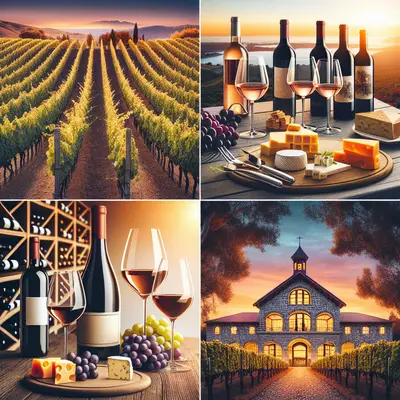
Subtle markers of a truly elevated experience include calibrated glass selection (Burgundy stems for delicate, aromatic reds; narrower bowls for high-acid whites), discreet spittoons that allow serious tasting without any loss of elegance, and a setting where sound, light, and seating height invite focus rather than distraction. Food pairings, when offered, signal thoughtfulness when they illuminate structure rather than overwhelm it: a simple aged cheese to highlight umami and tannin interplay, or a minimal, salt-forward bite to underscore texture and minerality.
In such spaces, exclusivity is conveyed not through ostentation but through restraint—through the impression that nothing is accidental and nothing is excessive.
Traveling with a Cellar in Mind
Most wine tours end at the moment of purchase; the enlightened traveler designs their journey as the beginning of a long conversation with their future cellar. This shift in perspective changes how you taste and what you bring home.
Instead of collecting only peak-current-vintage wines, seek out bottles that will tell a story over time: a structured red designed for a decade of aging, a high-acid white capable of developing layers of honeyed complexity, or a traditional-method sparkling with sufficient lees contact to evolve gracefully. Ask the estate about aging windows, optimal drinking phases, and how specific vintages are expected to evolve.
Consider building “vertical intentions” into your tour—visiting producers whose wines you already own at home. Tasting current releases beside older vintages in the cellar, then returning to your own bottles years later, creates a personal archive of place and memory. The most exclusive outcome of a wine tour is not the rarest bottle in your luggage, but the moment, years on, when you open it and the entire journey—soil, light, conversation—returns with the first pour.
Conclusion
A refined wine tour is less about quantity and spectacle and more about precision: of timing, observation, dialogue, hospitality, and long-term intention. When crafted with care, a day among the vines becomes a layered experience in which every glass is anchored to its origin and every visit extends beyond its allotted hour. For the devoted traveler, the true luxury lies not only in what is tasted, but in how completely each encounter deepens the understanding of wine as a living expression of place and time.
Sources
- Wine Institute – California Wine Country Travel – Overview of visiting wine regions, tasting room etiquette, and planning considerations
- GuildSomm – Terroir and Site Selection – In-depth discussion of slope, soil, aspect, and their influence on wine style
- UC Davis Department of Viticulture and Enology – Educational resources on viticulture, winemaking, and factors that shape wine quality
- Decanter – Wine Tasting Etiquette and Expert Tips – Guidance for structured tasting, palate management, and professional approach
- Institute of Masters of Wine – The Aging of Wine – Expert insights into which wines age, why they do, and how they evolve over time
Key Takeaway
The most important thing to remember from this article is that this information can change how you think about Wine Tours.