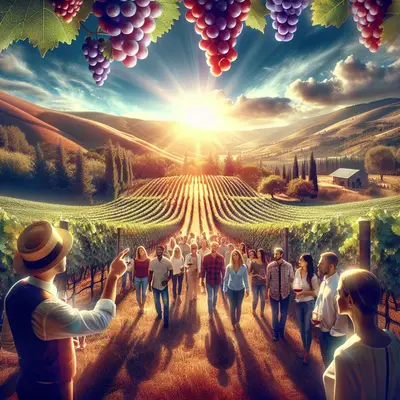
There is a moment, just as the car turns off the main road and the first line of vines appears, when a wine tour ceases to be an outing and becomes an experience. For the traveler who seeks more than a checklist of cellars, wine touring is about choreography: of timing, light, conversation, and taste. At Wine Tour Adventures, we see a vineyard visit as a finely tuned narrative—one where every glass, view, and detail is intentional.
Below, we explore five exclusive, often-overlooked dimensions of wine touring that discerning enthusiasts quietly prize. These are the nuances that transform an ordinary tasting into a truly memorable journey.
Designing the Day Around the Vineyard’s Natural Rhythm
The most rewarding wine tours are not built around your watch—they are built around the vineyard’s internal clock. Grapevines, cellars, and winemakers all have rhythms: pruning at dawn, quiet fermentations at mid-morning, contemplative blending in the afternoon. Aligning your visit to these cycles unlocks a very different experience.
Arrive early enough to see the vineyard before the day’s heat flattens the aromas. In the cool of the morning, you can often smell wild herbs, damp soil, and crushed leaves in the air—an olfactory overture to the wines you will later taste. If harvest is underway, a visit timed to the sorting table reveals the uncompromising precision behind each bottle; watching teams reject imperfect clusters tells you more about quality than any marketing brochure.
Later in the year, barrel rooms are at their most expressive in late morning, when the cellar temperature has stabilized and the humidity amplifies the scent of oak, lees, and aging wine. A thoughtfully timed tour will move from vineyard to cellar to tasting room as the light shifts, revealing new colors in the glass. True luxury lies not in rushing from estate to estate, but in letting one place unfold slowly at the right hour.
Reading the Landscape: Terroir as a Living Story
Sophisticated wine travelers do more than admire a beautiful view—they read it. The finest tours treat the landscape as a text, decoded patiently and with intent. Standing at the edge of a slope, you begin to understand why one block yields fragrant, ethereal wines while a neighboring parcel gives denser, more structured bottlings.
Pay attention to the soil underfoot: is it chalky and pale, reflecting sunlight back onto the grapes, or darker and rock-strewn, storing the day’s heat? Notice how the wind moves across the vines—some sites are naturally ventilated, keeping grapes healthy with minimal intervention. Elevation, exposure, and proximity to rivers or seas are not abstract terroir clichés; they are the quiet architects of the wine in your glass.
The most rewarding tours include unhurried time outdoors, walking between rows, touching the bark of old vines, and comparing different plots. A gifted host will invite you to taste wines made from the very vineyard you are standing in, often with older vintages that reveal how a site evolves. This direct dialogue between place and palate is where enthusiasts discover the deeper personality of a region.
Tasting as Conversation: Engaging with Winemakers and Cellar Masters
What separates a competent wine tour from an exceptional one is often who pours your glass. A premium experience is defined not just by the rarity of the bottles, but by the caliber of the conversation. When possible, arrange visits where a winemaker, viticulturist, or cellar master leads at least part of your tasting.
Approach the experience less as a lesson and more as a conversation between equals who share an obsession. Ask specific, open-ended questions: how has the estate adapted to recent climate shifts? Which vineyard blocks are their most challenging, and why? What do they consider an underrated vintage, and what should you look for in that year’s wines? These questions invite stories, not rehearsed talking points.
Listen for how they speak about risk: choosing to harvest earlier or later, shifting to organic or biodynamic practices, experimenting with amphorae or large-format barrels. Enthusiasts quietly treasure these glimpses into the decision-making that shapes each wine. By the end of a truly intimate tour, you will remember not just flavor profiles, but the personalities and convictions behind them—and that memory lingers far longer than a simple tasting note.
Curated Pairings: Elevating Local Gastronomy with Precision
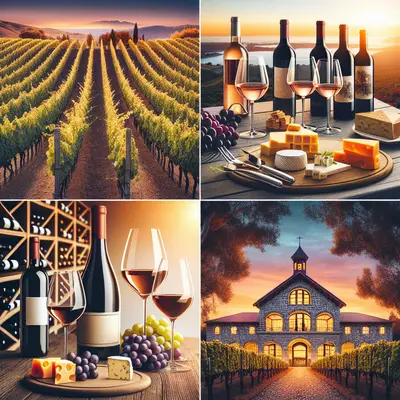
Luxury in wine touring is often expressed most clearly at the table. Beyond the standard cheese-and-charcuterie board lies a realm of refined, precisely curated pairings that reveal new dimensions in both wine and cuisine. The most sophisticated estates and regional tables emphasize seasonality, texture, and aromatic resonance rather than mere “red with meat, white with fish” conventions.
Seek out experiences that integrate local producers—artisan cheesemakers, olive oil mills, chocolatiers, or bakeries—into the tasting arc. A high-acid white with a regional goat cheese highlights minerality and tang in a way that a generic pairing never could. A structured red alongside slow-braised local game or a dish perfumed with wild herbs not only flatters the wine’s tannins but also situates it within its native culinary culture.
Pay attention to temperature and glassware as much as to the food itself. Discerning enthusiasts notice when a delicate white is served just cool enough to preserve aromatics, or when a mature red is offered in a larger bowl to allow gentle aeration. These subtleties signal an estate’s respect for its own wines—and for the guest. The most exquisite pairings feel inevitable once you’ve tasted them, yet they rely on a deep, quiet expertise.
Private Access: Library Bottles and Cellar-Only Experiences
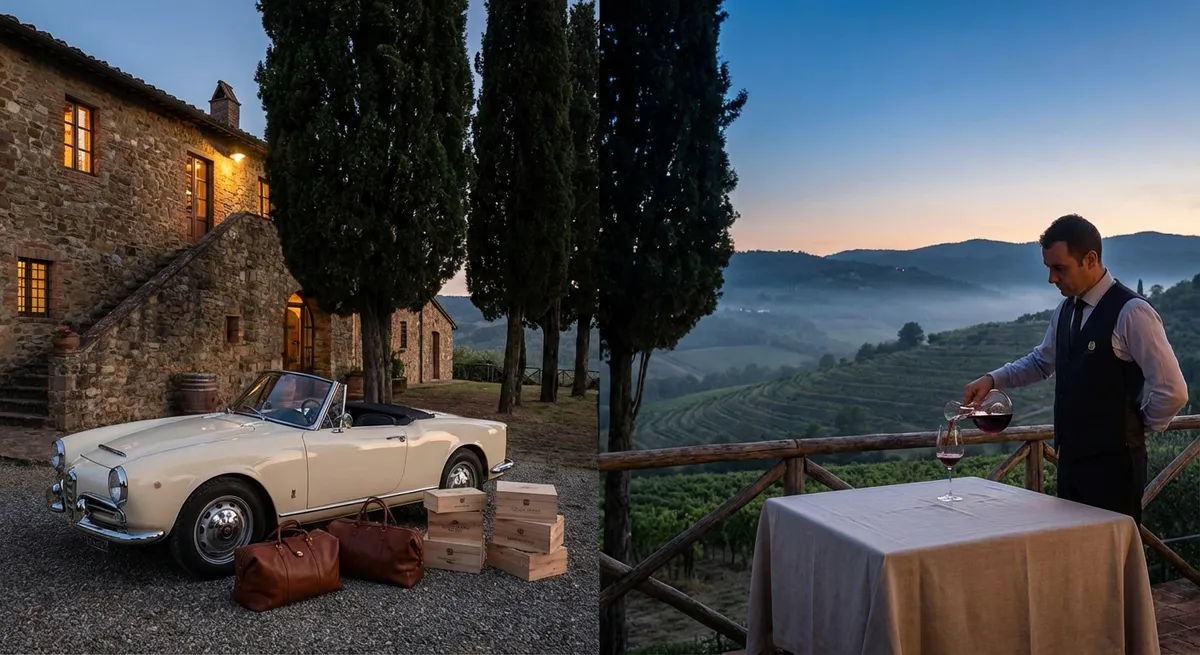
For the seasoned enthusiast, the true privilege of a wine tour often lies beyond the public tasting flight. The most memorable moments tend to occur in the hush of a private room or deep within the cellar, tasting wines that rarely see a retail shelf. Arranging access to these experiences requires planning and, at times, the assistance of a well-connected concierge or tour specialist.
Library tastings—where older vintages are drawn from the estate’s archives—offer a rare window into how time shapes a wine’s structure, aromatics, and texture. Tasting a current release side by side with a ten- or fifteen-year-old counterpart allows you to perceive the estate’s long-term vision. Enthusiasts relish these juxtaposed flights, which turn aging potential from an abstract concept into a tangible reality in the glass.
In some regions, barrel samples or micro-vinifications are available only on request: single-parcel trials, experimental blends, or wines made from heirloom varieties in tiny quantities. These are the wines that define a property’s future direction and are seldom poured for casual visitors. Securing such moments is less about ostentation and more about intimacy—participating, however briefly, in the ongoing creative process of the estate.
Conclusion
A refined wine tour is not a race through a region’s “must-see” estates; it is a considered journey through landscape, craft, and time. When you design your itinerary around the vineyard’s rhythm, read the terrain with curiosity, cultivate meaningful dialogue with its stewards, elevate your tastings through thoughtful pairings, and seek discreet access to a winery’s most private expressions, you move beyond tourism and into something altogether finer.
For those who value nuance over noise, wine touring becomes an art form—one that rewards patience, attention, and a quiet appetite for depth. At Wine Tour Adventures, these are the experiences we consider worth crossing continents for.
Sources
- Wine Institute – California Wine Country Visitor Information - Provides guidance on visiting wineries, regional overviews, and practical tips for planning wine country travel
- U.C. Davis Department of Viticulture and Enology - Offers educational resources on viticulture, enology, and factors that influence wine quality and terroir
- Wines of France (Conseil Interprofessionnel des Vins de France) - Official overview of French wine regions, their characteristics, and terroir specifics
- Wine Institute – Climate Change & Sustainable Winegrowing - Discusses how climate and sustainable practices impact vineyards and winemaking
- GuildSomm – The Concept of Terroir - In-depth exploration of terroir, landscape, and their influence on wine style and quality
Key Takeaway
The most important thing to remember from this article is that this information can change how you think about Wine Tours.