A wine tour worthy of your time is never accidental. It is orchestrated—quietly, precisely, and with the kind of foresight that lets every moment feel effortless. Beyond the usual swirl-and-sip, there is a more elevated way to journey through wine regions: one that treasures nuance, timing, and the subtle choreography of hospitality. For the discerning enthusiast, a tour is not simply about visiting vineyards; it is about entering a landscape of culture, craftsmanship, and place.
Below, we explore how to design a wine tour experience that feels genuinely refined, and we reveal five exclusive insights that seasoned aficionados quietly rely on but rarely explain.
Designing the Itinerary Around the Vineyard, Not the Map
Most travelers begin with geography: “We’re in this region, what’s nearby?” The more sophisticated approach begins with vineyards and producers whose philosophy, terroir, and craftsmanship align with your palate and curiosity—then allows the map to follow.
Choose fewer stops and stay longer at each. A day of three thoughtfully selected appointments will offer more depth than a frantic schedule of six or seven. Arrange visits so that you experience a narrative across the day: perhaps a historic estate in the morning, an artisanal family-run domaine at midday, and a contemporary, design-forward winery in the late afternoon. This arc allows you to experience not only stylistic diversity, but also the way light, temperature, and mood subtly alter the wines and the landscape.
Align the itinerary with the rhythm of the vineyard. Morning visits can highlight vineyard walks and cellar tours, when the air is cooler and the property quieter. Later in the day, plan for more contemplative tastings—perhaps framed by an apéritif overlooking the vines or a cellar tasting that flows gently into dinner.
Savoring the Vineyard’s Clock: The Power of Season and Timing
Arriving at the “right time” extends beyond opening hours. The high-season crush of visitors risks masking the quiet detail that serious wine lovers seek: the aroma of fermenting must, the soundscape of the cellar, the unhurried conversation with the winemaker.
Consider visiting just before or just after the traditional peak season, when teams have more time to engage and share. In cooler-climate regions, late spring reveals budbreak and the fragile promise of a new vintage; in late summer and early autumn, the vineyard hums with anticipation or the intensity of harvest. Each moment tells a different story about the wine in your glass.
Time of day matters as well. Wines show differently in the morning than in the warmth of late afternoon. Many professionals prefer mid- to late morning for serious tasting, when the palate is fresher and the sensory environment more controlled. Reserve sunset hours for more indulgent experiences: a glass on a terrace overlooking harvested rows, or a library tasting where older vintages encourage unhurried reflection.
Five Exclusive Insights for the Discerning Wine Traveler
For those seeking a truly elevated experience, several less-obvious strategies change everything. These five insights are often known among industry insiders and seasoned collectors, yet rarely discussed openly.
Ask to Taste the “In-Progress” Vintage
When appropriate and available, request a barrel or tank sample of the current vintage, or even components of a future blend. This is not about novelty; it is about understanding the estate’s philosophy at its most transparent. Observing how structure, acidity, and aromatics appear before bottling offers an intimate glimpse into the winemaker’s decisions, and it deepens your appreciation of the finished wines in years to come.
Inquire About the “Quiet” Cuvées
Many serious producers make small-production wines that seldom appear on standard tasting menus—single parcels, experimental fermentations, or limited bottlings for club members and local clients. With polite curiosity, ask whether there is a wine they are particularly proud of that is not usually poured for visitors. This question often opens doors to meaningful stories and rare glasses.
Walk the Vineyard Before You Taste
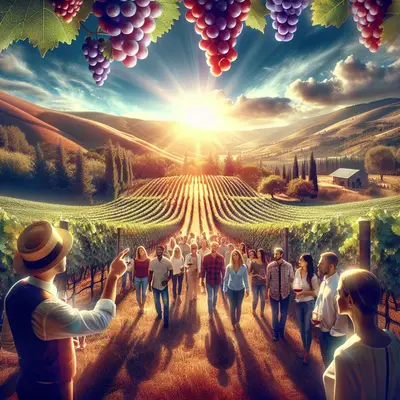
Sensory context shapes perception. If the opportunity arises, request a brief walk among the vines before sitting down. Note soil texture, exposure, wind, and the spacing and age of the vines. When you later taste a wine from that specific block, you will have anchored your perception in the physical landscape. Serious enthusiasts often find that even a short vineyard walk permanently changes the way they taste wines from that estate.
Taste the Same Wine in Different Glasses (When Possible)
For those attuned to detail, glassware is not a footnote—it is an instrument. Many high-end estates collaborate with glass producers or carefully curate their stemware. If you are particularly interested, ask whether you might try the same wine in two different glasses. The contrast in aroma focus, texture, and perception of structure can be revelatory, and it reveals how meticulously the estate considers your experience.
Use Silence as a Tasting Tool
In group settings, wine conversations can rapidly converge into a single shared opinion. Deliberately allow a few moments of silence after each pour. Smell, sip, and form your own impression before any commentary. Then, if you wish, compare notes. This small act preserves your individual sensory response, helping you differentiate what you truly love from what is merely influenced by consensus.
Pairing Place, Culture, and Cuisine with the Wine
The most memorable wine tours understand that wine is not an isolated product; it is an expression of culture, cuisine, and landscape. To appreciate a region fully, extend your curiosity beyond the cellar door.
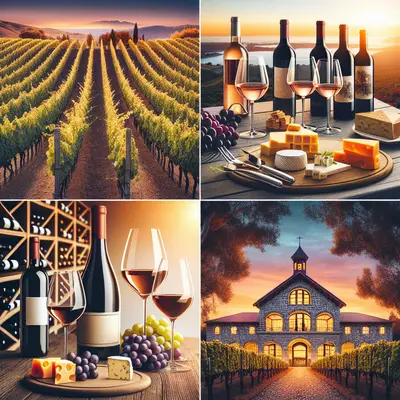
Seek out meals that naturally mirror the wines’ character. In coastal wine regions, pair mineral-driven whites with local seafood, where the salinity and texture echo the wines’ precision. In heartland red-wine territories, explore traditional dishes that reflect the wines’ structure and depth—slow-cooked meats, wood-fired preparations, or regional cheeses that have evolved alongside local grape varieties over centuries.
Engage with artisans and producers beyond wine: olive oil mills, cheesemakers, bakers, chocolatiers. Each craft reveals another dimension of terroir and tradition. When your day’s tastings are framed by these encounters, you begin to understand why a particular wine could only have been made in that place, by those hands, in that culture.
Capturing the Experience with Intention (Not Just Photos)
An elegant wine tour invites documentation, but not all documentation is visual. While photographs and short videos are essential for sharing your journey, consider also keeping a tasting journal—physical or digital—to record a handful of key impressions from each visit.
Note more than just flavors: record the light at the time of tasting, the music (if any), the room’s atmosphere, and a phrase or idea from the winemaker that stayed with you. Later, when you open a bottle acquired on that trip, these details will resurface, enriching the experience far beyond what any label or Instagram caption can convey.
When sharing on social platforms, spotlight the story, not simply the setting. A brief anecdote about a family tradition, an unexpected pairing, or a small technical detail you learned often resonates more powerfully than yet another vineyard panorama. This narrative-driven approach aligns your personal brand with discernment and depth.
Conclusion
A refined wine tour is less about quantity and spectacle and more about the elegance of intention. When you design your journey around meaningful encounters, seasonal nuance, and a quiet attentiveness to detail, each glass becomes part of a larger conversation—between you, the land, and the people who shape it.
By embracing industry-level habits—tasting in silence before speaking, probing for “hidden” cuvées, walking the vineyard, paying attention to glassware, and asking to witness wines in progress—you move beyond tourism into something closer to true connoisseurship. The reward is not only better wine, but a richer, more enduring relationship with the places that create it.
Sources
- Wine Institute – Exploring Wine Regions – Overview of major wine regions and their distinctive characteristics
- GuildSomm – Terroir and Vineyard Factors – In-depth discussion of terroir, climate, and vineyard influences on wine
- Riedel – The Impact of Glass Shape on Wine – Explanation of how stemware affects aroma and flavor perception
- UC Davis Department of Viticulture and Enology – Technical resources on winemaking and wine sensory evaluation
- Decanter – Wine Travel Guides and Regional Insights – Expert guidance on visiting wine regions and planning winery experiences
Key Takeaway
The most important thing to remember from this article is that this information can change how you think about Wine Tours.