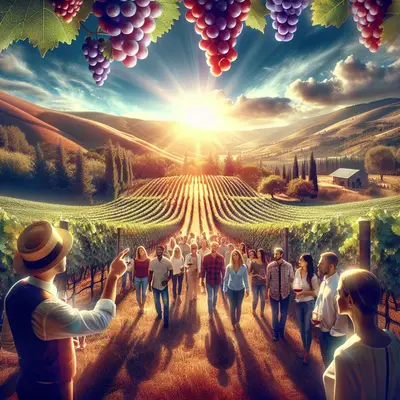
There is a moment, somewhere between the first swirl and the final sip, when a wine tour stops being an itinerary and becomes a work of art. For the traveler who values nuance over novelty and precision over spectacle, the modern wine journey is less about ticking off famous labels and more about orchestrating a sequence of quietly unforgettable experiences. At Wine Tour Adventures, we see each tour as a composition: terroir as the overture, hospitality as the harmony, and your personal preferences as the refrain running through it all.
Reframing the Wine Tour: From Visit to Narrative
A refined wine tour is not a random sequence of tastings but a carefully choreographed narrative. The most rewarding itineraries are built around a central theme—a single grape variety expressed across elevations, for example, or a focus on sustainably farmed, low-intervention estates within one region.
Rather than chasing only marquee names, sophisticated travelers often prioritize coherence: beginning at a historical property to understand a region’s heritage, then progressing to avant-garde producers pushing stylistic boundaries. The journey is curated so that each stop illuminates the previous one, whether through contrast (old vines vs. newly planted parcels) or continuity (the same clone grown on different soil types).
The result is a day that feels less like transportation between addresses and more like a continuous conversation with a landscape. By the time you leave the final estate, the region’s story—its geology, climate, traditions, and quiet rebellions—has been told in the glass with deliberate clarity.
The Private Vineyard Hour: When Timing Changes Everything
In the world’s most coveted regions, the rarest luxury is not necessarily a prestigious label; it is uninterrupted time. One of the most exclusive opportunities for the serious wine enthusiast is the private vineyard hour—arriving at a property before public opening or after formal closing, when the estate belongs to you alone.
At these times, the vineyard rows feel different. Morning light reveals subtle aspects of canopy management and row orientation that are less apparent in the brightness of midday. In the late afternoon, as temperatures fall, aromatic compounds in the air become almost tactile: wild herbs, warm earth, a faint trace of fermenting juice drifting from the cellar.
This is when viticulturists and winemakers are most candid. Without the tempo of regular visitor traffic, conversations wander inward: an unexpected frost that changed their picking decisions one year, the nerve-wracking choice to delay harvest by a single day, the parcel that consistently overperforms in difficult vintages. The bottles poured may be the same as during standard appointments, but the context is transformed. You are no longer “a guest at a tasting”; you are a confidant in the estate’s ongoing story.
Inside the Cellar: Reading a Producer Beyond the Label
Most visitors look at labels; seasoned enthusiasts read cellars. A thoughtfully designed wine tour invites you beneath the surface—literally—into the spaces where decisions are made and vintages are shaped.
Pay attention to the proportions: how many small barrels versus larger, neutral vessels; the presence of amphorae or concrete eggs; the ratio of stainless steel to oak. Each is a clue to style and philosophy. A cellar lined with new barriques telegraphs a commitment to structure, texture, and often longevity. One dominated by larger, older casks or amphorae hints at a desire for transparency, letting fruit and terroir speak more directly.
Barrel tastings, when offered, provide a rare snapshot of wine in motion. Tasting from different barrels of the same cuvée can reveal how wood origin, grain, and toast level influence a wine’s profile. For the astute taster, this is an extraordinary education: you witness not only what a producer has bottled, but how they think. The cellar becomes an open notebook, each vessel a line in the margin.
The Culinary Axis: How Food Pairings Reframe the Glass
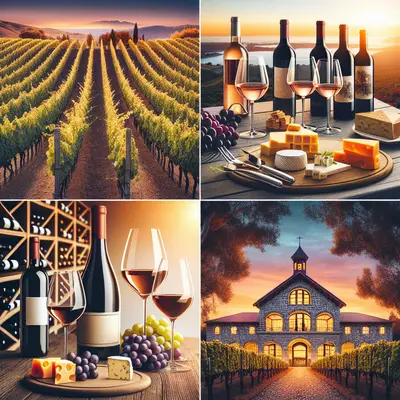
A premium wine tour is incomplete without a deliberate culinary dimension. Beyond simple cheese plates or charcuterie boards, many estates now collaborate with chefs, artisans, and local producers to create pairings that place their wines in a gastronomic context. For the enthusiast, these moments are not decorative; they are revelatory.
Consider a structured tasting in which the same wine is paired with two contrasting dishes: one highlighting acidity and freshness, another amplifying texture and depth. The wine seems to transform, though nothing has changed but the frame around it. Such experiences train the palate in a way that lectures cannot. You begin to understand not only what you like, but why.
At the highest level, multi-course vineyard lunches or dinners are calibrated with the precision of a great restaurant: serving temperature, decanting time, even glassware shapes are orchestrated to present each wine at its apogee. Seasonal ingredients—olive oil from neighboring groves, vegetables harvested at dawn, local cheeses at perfect maturity—bridge the gap between land and glass. You leave not merely with tasting notes, but with a sensory memory of an entire place.
The Curated Library: Accessing a Region’s Memory
For those who value depth over breadth, the true treasure is often not in the current releases but in the library. Many top estates maintain meticulously controlled cellars of older vintages, opened rarely and with purpose. When your tour includes a library component, you are not only tasting aged wine; you are accessing the memory of a region.
Vertical tastings—the same wine across multiple vintages—allow you to observe the interplay of climate and winemaking choices over time. Cool years may yield wines of tension and precision; warmer seasons bring generosity and amplitude. Tasting them side by side gives you a vocabulary for describing not just one bottle, but an entire trajectory.
Some producers will juxtapose library wines with their current releases, illustrating how structure, tannin, and acidity evolve. The experience can be quietly transformative: a young wine that once felt firm or reticent reveals its purpose when you see how its older sibling has unfolded. For the collector, this informs purchasing decisions; for the traveler, it deepens the emotional connection to the estate and the region.
Beyond the Map: Intimate Encounters with Emerging Terroirs
The most astute wine travelers understand that prestige is not the sole marker of excellence. Increasingly, some of the most compelling experiences are found beyond the headline regions, in emerging terroirs where experimentation and authenticity flourish away from the spotlight.
These visits often offer a rare combination: meticulous farming, small-scale production, and the presence of the owner-winemaker at the tasting table. Here, you may walk vineyards where new clones are being trialed, or taste micro-cuvées that exist in quantities too small ever to reach export markets. The emphasis shifts from brand recognition to originality and integrity.
In such places, your presence matters. Feedback from experienced enthusiasts can influence future blends, vineyard replanting decisions, or aging choices. You are not simply an observer of a finished story; you are present in its formative chapters. Years later, when these producers appear on the lists of leading restaurants or at major auctions, you will remember the gravel underfoot, the experimental barrel in the corner, the quiet conviction in the winemaker’s voice.
Five Exclusive Insights for Serious Wine Enthusiasts
For travelers who approach wine tours with the same rigor they bring to their cellars, the following insights can transform the experience from enjoyable to truly exceptional:
Schedule for the Vineyard, Not the Clock
Align visits with the estate’s natural rhythm—harvest mornings, pruning season, or budbreak—when you can witness crucial decisions rather than just hear about them.
Request Comparative Frameworks
Ask for tastings that compare parcels, elevations, or vessels (barrique vs. foudre, amphora vs. steel). These focused contrasts sharpen your understanding of terroir and technique.
Prioritize Producer Conversations Over Bottle Lists
A shorter tasting with meaningful dialogue often yields more insight than a long lineup of wines poured without context. Depth, not volume, is the true luxury.
Plan for Repetition Within a Region
Visiting multiple producers working with the same grape, soil type, or appellation in a single day can reveal patterns and outliers that a scattered itinerary obscures.
Leave Space for One Unplanned Discovery
Allow time for a serendipitous stop—a recommended small estate, a young winemaker just starting out, a new project down a side road. These often become the most memorable chapters of the trip.
Conclusion
The finest wine tours are not defined by the number of estates visited or the fame of their labels, but by the clarity with which they express a place, a philosophy, and a moment in time. When crafted with intention, a day among the vines becomes a rare form of luxury: intimate yet expansive, quietly opulent in its attention to detail rather than its display.
For the discerning traveler, the true reward is not just the bottles carried home, but the palate that returns sharper, more attuned, and more curious. In the end, the greatest souvenir of a well-conceived wine journey is a deeper capacity to recognize—and savor—excellence wherever you find it.
Sources
- Wine Institute – California Wine Country Visitor Information – Overview of key wine regions, visitor tips, and background on estate visits
- GuildSomm – Vineyard & Winery Tours Educational Content – Professional-level insights into making the most of winery visits and understanding cellar practices
- UC Davis Department of Viticulture and Enology – Technical resources on winemaking, aging, and cellar decisions that inform what visitors see and taste on tour
- Cornell University – Terroir and Vineyard Site Selection – Detailed discussion of terroir, soils, and climate that underpins many of the vineyard concepts referenced
- Decanter – How to Taste Wine Like a Professional – Guidance on advanced tasting techniques to enhance the educational value of winery and cellar experiences
Key Takeaway
The most important thing to remember from this article is that this information can change how you think about Wine Tours.