Wine tasting, at its most rewarding, is less a performance and more a quiet act of composition. The glass becomes a chamber where time, place, and craftsmanship converge—if you know how to listen. For those who wish to move beyond the scripted swirl-and-sniff routine, there exists a more nuanced, almost chamber‑music approach to tasting: attentive, deliberate, and elegantly restrained.
What follows are five exclusive refinements—subtle shifts in awareness and technique—that transform each tasting from a sequence of sips into a deliberately curated experience for the discerning enthusiast.
1. The “Silent First Sip”: Evaluating Texture Before Flavor
Most tasters rush to identify flavors—blackberry, cedar, citrus, smoke—before the wine has even settled on the palate. A more elevated approach begins in silence, with a first sip dedicated exclusively to texture.
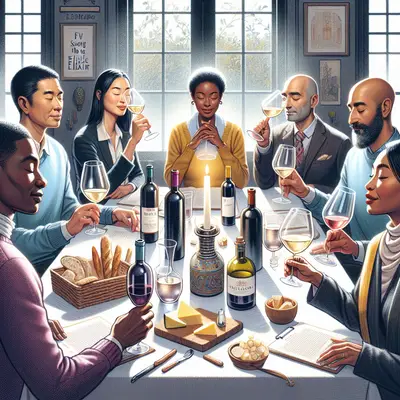
On this initial taste, temporarily ignore what the wine “tastes like” and focus instead on how it behaves. Does it move across the tongue with a gliding, satin-like finesse or with a firmer, architectural presence? Is the acidity a fine, vertical line, or a broad, energetic arc? Notice temperature as well—luxury white wines, in particular, reveal their precision when served just cool enough to be alert, but not so cold as to mute their structure.
By making the first sip a purely tactile assessment, you train your palate to recognize the architecture beneath the aromas: the grain of tannin, the tension of acidity, the quiet persistence of the finish. This technical “reading” of the wine lays the foundation for truly informed appreciation once you turn your attention back to aroma and flavor.
2. Aromas in Layers, Not Lists
Enthusiasts often treat the nose of a wine as a checklist—cherry, violet, graphite, cacao. The more sophisticated approach is to discern layers, asking not only “what” is present, but “how” it is arranged.
Begin with distance. Hold the glass at chest level and take a gentle breath: subtle hints of volatility, high-toned florals, or delicate citrus zest will often appear here. Then bring the glass halfway to the nose and repeat: this is where you may detect orchard and stone fruits, fresh herbs, or mineral notes. Finally, with your nose just at the rim, you can explore the deeper, slower elements—dark fruit, earth, spice, toasted oak, and savory, tertiary nuances in mature wines.
Consider also the tempo of the aromas. Do they arrive in a defined sequence—initial bright fruit followed by spice and then a faint earthiness—or do they appear as a single, blended impression? Highly refined wines often reveal a kind of aromatic choreography: an opening, a mid‑phrase, and a lingering coda. Observing this layering, rather than merely naming components, brings you closer to the winemaker’s intention and the wine’s internal logic.
3. Tasting the Arc of Time, Not Just the Vintage
While vintage charts can be a helpful shorthand, they risk flattening complexity into a simple “good” or “bad” year. A more elevated practice is to sense where a wine is along its arc of time, independent of its general vintage reputation.
When tasting, ask three quiet questions:
- Has the fruit moved from primary to secondary? Primary notes (fresh berries, citrus, floral aromas) point to youth; secondary elements (spice, brioche, nuttiness, gentle honeyed tones) suggest development.
- Is the structure ahead or behind the fruit? If tannins and acidity feel sharp and dominant, the wine may be in a closed or adolescent phase. If they have softened into a supportive frame without losing definition, the wine is likely at or near an optimal drinking window.
- What does the finish say about its future? A wine whose length is impressive but whose flavors are still tightly coiled can signal potential waiting to unfold. One whose finish is charming yet fading may be gently exiting its prime.
This perspective is particularly rewarding on wine tours when you taste multiple vintages side by side. Rather than declaring a single “winner,” you begin to sense continuity—how a single site or producer threads identity through the shifting light of different years.
4. Pairing Mood, Not Just Food
Food pairing is standard; mood pairing is subtle luxury. A sophisticated taster considers not only what is on the plate, but also the tempo of the occasion, the season, the time of day, and even the intended conversation.
For late‑afternoon terrace moments, wines with lifted aromatics and graceful alcohol—think mountain whites, coastal rosés, or high-altitude reds—allow for ease and clarity, sharpening the senses without overwhelming them. For contemplative evenings or fireside conversations, a structured red or a mature white Burgundy invites slower pacing and deeper reflection, aligning the wine’s evolution in the glass with the leisurely unfolding of the moment.
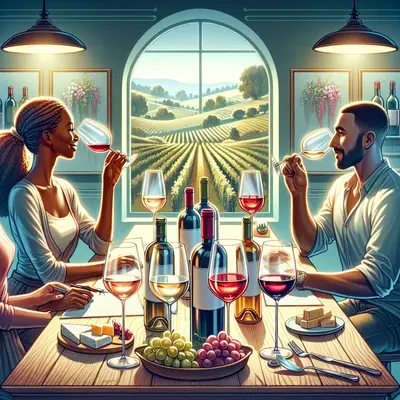
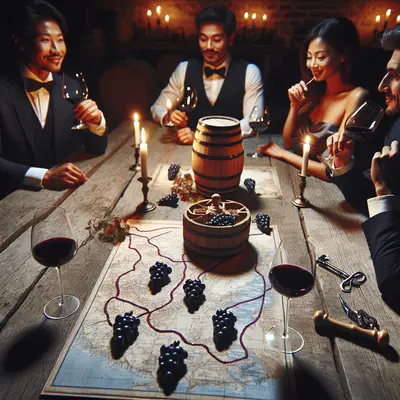
On a wine tour, this might manifest as choosing a crystalline, saline white before walking a sunlit vineyard, and reserving a more contemplative, barrel-aged red for a candlelit cellar tasting. By aligning wine not just with flavor but with emotional atmosphere, you craft experiences that feel intentionally curated rather than merely scheduled.
5. Reading Glass, Cellar, and Context as Part of the Wine
Truly refined tasting extends beyond the liquid itself. The stemware, the cellar environment, and the choreography of the tasting all become part of the sensory narrative.
Subtle shifts in glass shape can magnify or restrain key elements: narrow, tulip‑shaped bowls tend to heighten aromatic focus and verticality, benefiting high‑acid whites and precise, linear reds. Larger, rounder bowls allow more oxygen contact, expanding the mid‑palate of structured reds and complex whites, revealing detail that might otherwise remain veiled. Paying attention to how a wine behaves when poured into different glasses—something premium wineries occasionally demonstrate—reveals just how sensitive top-tier wines are to their stage.
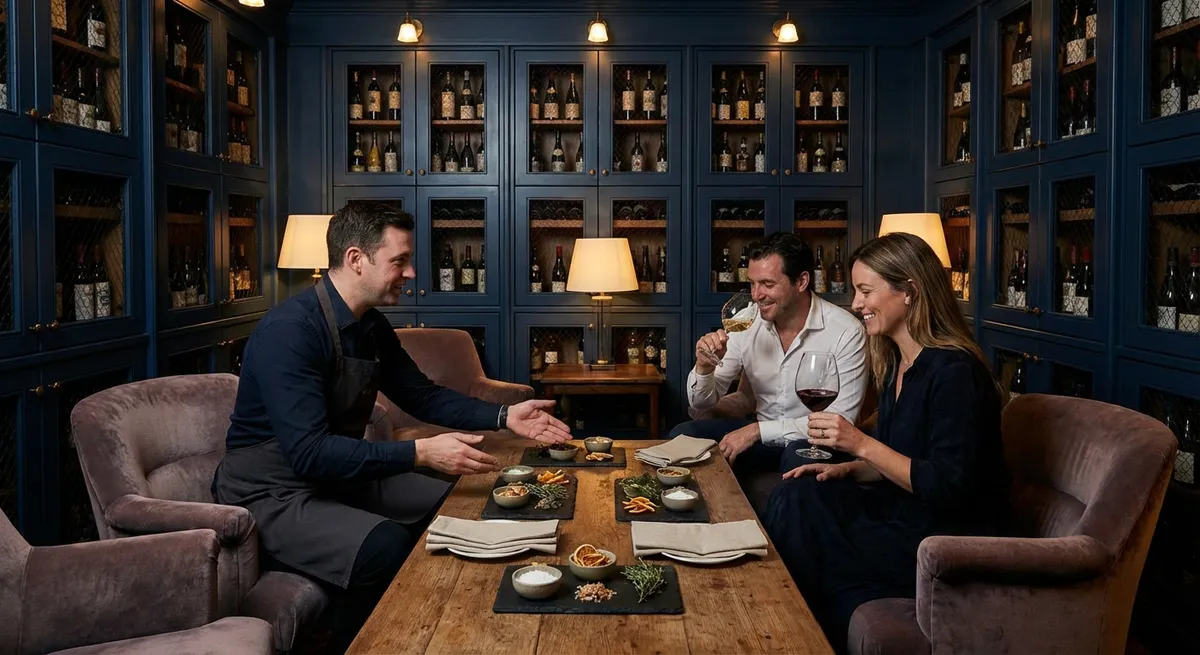
Similarly, cellar temperature and humidity, the choice between barrel room or vineyard overlook, even the sequence in which wines are poured, quietly influence your perception. Elevated hosts increasingly design tastings with this in mind: delicate wines poured early, in contemplative settings; more powerful cuvées introduced later, with architecture, landscapes, or art as visual counterpoints.
By consciously observing these contextual cues—and then mentally adjusting for them—you refine your own internal “calibration,” allowing you to distinguish between what belongs to the wine and what is projected onto it by environment and ceremony.
Conclusion
Wine tasting at a higher level is not about theatrics or ostentatious knowledge. It is about measured attention: to texture before flavor, to aromatic layering rather than mere listing, to time’s slow imprint, to the mood surrounding the glass, and to the invisible influence of context.
When you approach each pour with this composed, quietly discerning mindset, a tasting becomes something more than a sequence of wines. It becomes a series of finely tuned experiences—each one a brief, elegant dialogue between craftsmanship, place, and your own evolving palate.
Sources
- Wine Tasting: A Professional Handbook – UC Davis (A.C. Noble) – Background on sensory evaluation and the development of structured tasting approaches
- Wine Aroma Wheel – UC Davis – A foundational tool for understanding and organizing wine aromas in layers
- USDA – Wine Grape Production and Quality Factors – Insight into how viticultural and environmental factors shape wine structure and style
- Harvard T.H. Chan School of Public Health – Alcohol and Health – Evidence‑based discussion of alcohol consumption, moderation, and health considerations
- Decanter Magazine – Guide to Serving Temperatures and Glassware – Practical guidance on the impact of temperature and stemware on wine perception
Key Takeaway
The most important thing to remember from this article is that this information can change how you think about Wine Tasting.