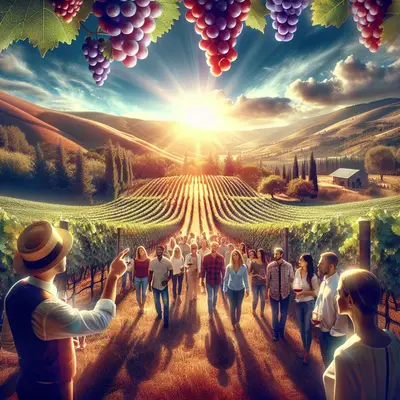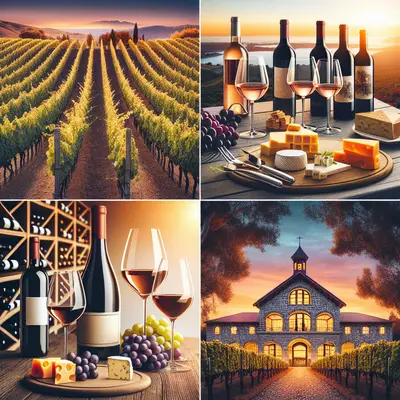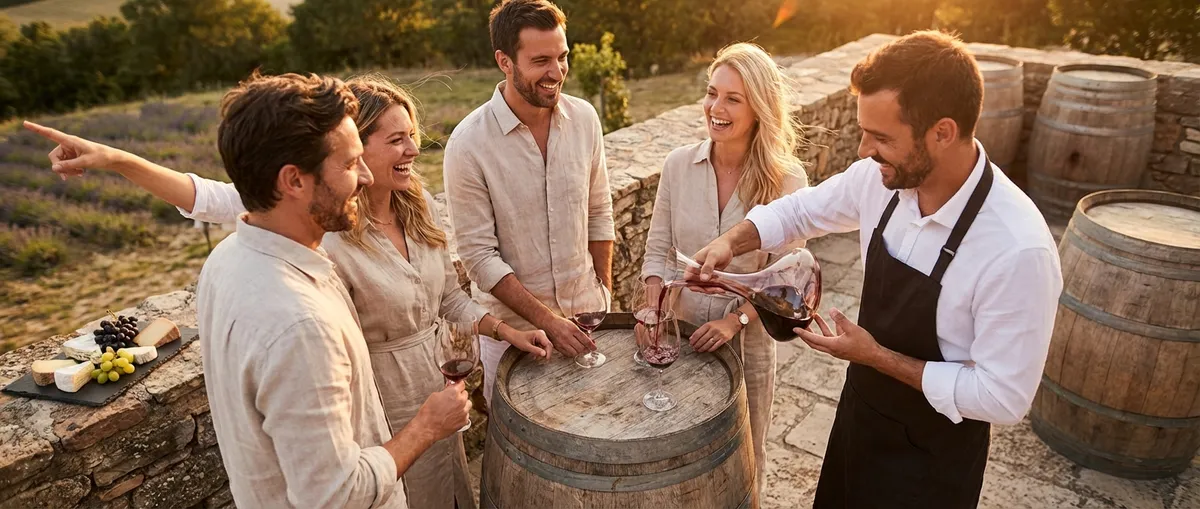
Wine tourism has evolved far beyond a simple succession of tastings and photo-worthy vineyard views. For the discerning traveler, a wine tour can be an orchestrated immersion in terroir, craft, and culture—a curated journey where each glass tells a story and every stop along the route feels purposefully chosen. When approached thoughtfully, a wine tour becomes less about “how many wineries” and more about the depth of each encounter.
Below, we explore how to design and experience a truly elevated wine tour, including five exclusive insights that seasoned enthusiasts quietly rely on to unlock the most memorable visits.
Designing a Journey, Not Just an Itinerary
A refined wine tour begins with intent. Rather than plotting a dense schedule of back-to-back tastings, focus on a narrative thread that ties the day—or week—together. That narrative might be a single grape variety expressed across different terroirs, an exploration of vineyard altitude, or a deep dive into one region’s evolving style.
Start by considering your own palate and curiosity: Are you drawn to age-worthy reds, saline coastal whites, or methodically crafted sparkling wines? Use this as your anchor. Build around a small number of producers—three in a day is often ideal—who collectively express the breadth of the region. Layer in time for contemplative pauses: a walk through old vines, a quiet moment in a barrel hall, or a leisurely lunch where local cuisine is paired with estate wines.
Transportation and timing matter as much as winery selection. Private drivers, well-paced transitions, and reservations that allow for lingering conversations with winemakers all contribute to an unhurried, polished experience. The result feels less like tourism and more like being discreetly welcomed into a world normally reserved for insiders.
Five Exclusive Insights Enthusiasts Quietly Rely On
Experienced wine travelers rarely focus solely on the wines poured in the glass. They read the subtler cues—of vineyard practice, cellar philosophy, and service—that reveal a producer’s true character. These five insights, while often unspoken, are powerful tools for elevating every visit:
Ask About the “Quiet” Vintages, Not Just the Iconic Ones
Instead of immediately inquiring about the most celebrated or highest-scoring year, ask which recent vintage the winemaker personally finds most interesting or challenging. This often leads to stories about difficult harvests, experimental techniques, and small-production wines that rarely reach export markets.
Taste the “Entry” Wine with Full Attention
Enthusiasts know that a winery’s most accessible cuvée is often the purest reflection of its philosophy. Give the first pour the same scrutiny you’d offer a flagship bottling: note its balance, texture, and finish. A meticulously crafted “basic” wine is a strong sign of overall quality.
Step Outside the Tasting Room Whenever Possible
A short walk into the vines—feeling the wind, touching the soil, noticing the slope—can recalibrate your entire perspective. Serious travelers quietly ask, “Could we see a parcel you’re particularly proud of?” The answer often leads to hillside blocks, old vines, or experimental plots never mentioned on standard tours.
Observe the Glassware, Temperature, and Pacing
Beyond the wine itself, professionals look closely at service. Is the glassware appropriate to the style? Are whites served cool but not icy; reds at cellar, not room, temperature? Is there time between pours to reset the palate? Such details hint at the degree of care the estate extends to its guests—and by extension, to its wines.
Inquire About What’s Never Bottled Under the Estate Label
A sophisticated question—“Do you grow or vinify anything that doesn’t make it into your own bottles?”—often opens doors to barrel samples, experimental blends, or grapes sold to neighbors. It reveals the unseen part of the estate’s work and, occasionally, gives you access to wines that exist in vanishingly small quantities.
Woven into your visits, these quiet strategies transform standard tastings into nuanced, often unforgettable exchanges.
Savoring Terroir Through Time and Place
A premium wine tour is, at its core, a study in terroir—how soil, climate, and human hands converge to shape character in the glass. Experiencing this fully requires more than noting the tasting descriptors on a card; it requires awareness of context.
Begin by contrasting sites within a single appellation or subregion. Taste a hillside wine beside a valley-floor counterpart; compare a parcel close to a cooling river with one more inland and sun-drenched. Ask how harvest dates varied between plots and how the winemaker adjusted extraction or aging to reflect these differences. Over the course of a day, you may start to recognize the signature of specific soils—limestone-driven tension, volcanic minerality, the supple texture from clay-rich parcels.
Time, too, is part of terroir expression. Encourage vertical tastings, even if limited to three vintages. Observing how a wine sheds its youthful edges, gains aromatic complexity, and changes in texture reveals both its inherent structure and the producer’s long-term vision. Such comparative tastings elevate your understanding from “I like this wine” to “I see how this place expresses itself across seasons and years.”
Beyond the Pour: Culinary Pairings and Regional Culture
The most distinguished wine tours extend well beyond tasting counters, weaving local gastronomy and culture into the experience. Seek out wineries that collaborate closely with chefs—whether through on-site kitchens, curated picnics in the vines, or partnerships with nearby restaurants. A thoughtfully designed pairing can reveal dimensions in a wine that a solo tasting might obscure: a structured red softened by aged local cheese, or a brisk white echoing the citrus and herbs of regional seafood.
Equally important is allowing space for cultural immersion. Visit a local market to see which wines the residents actually buy. Pause in a village café to taste a modest regional pour, noticing how it complements everyday dishes. Attend a seasonal festival or harvest celebration if timing allows; these moments reveal how deeply wine is braided into the area’s identity.
Such experiences recalibrate your sense of value: you begin to appreciate not only grand, collectible bottles but also the humble, beautifully made wines that locals pour without ceremony—yet with deep affection.
Crafting Lasting Connections with Producers
An elevated wine tour is not merely about acquisition; it’s about connection. The most rewarding relationships often form with producers who are generous with their knowledge and transparent about both triumphs and limitations. Enter each estate with informed curiosity, not interrogation. Show that you’ve taken the time to learn something about their region or grape varieties, and frame your questions in a way that invites storytelling rather than rehearsed monologues.
If a visit resonates, consider how you might sustain the bond. Joining a carefully chosen allocation list, returning at different times of year, or cellaring a bottle specifically to open on your next visit transforms a one-off encounter into an ongoing dialogue. Keep concise notes—about the people as much as the wines—so your next reservation feels like a continuation rather than a reintroduction.
Over time, this approach builds a personal constellation of trusted producers across regions. Your future travels become less about searching blindly and more about revisiting old friends and being introduced, through them, to yet-unseen corners of the wine world.
Conclusion
A sophisticated wine tour is built not on volume or spectacle but on intention, nuance, and authentic human connection. By designing a journey with a narrative, applying insider insights with discretion, and allowing terroir, cuisine, and culture to share equal prominence with the wines themselves, you transform each visit into something quietly exceptional.
For the refined traveler, the real luxury lies not in how many labels were tasted, but in how deeply each glass reflected a place, a season, and the thoughtful hands that shaped it. When approached in this way, wine touring becomes an enduring practice in attention—one that continues to reward long after the last bottle from the trip has been opened.
Sources
- UNWTO Global Report on Wine Tourism - Overview of global wine tourism trends, best practices, and the evolving profile of wine travelers
- Wine Institute – California Wine Country Information - Background on regional diversity, appellations, and visitor experiences in one of the world’s leading wine destinations
- Académie du Vin Library – Essays and Resources - Expert perspectives on tasting, terroir, and the culture of wine that inform elevated wine travel
- UC Davis Department of Viticulture & Enology - Technical insights into viticulture that deepen understanding of vineyard visits and terroir-focused tours
- Decanter – Wine Travel Guides - Curated regional guides and travel-focused articles that illustrate sophisticated approaches to visiting wine regions
Key Takeaway
The most important thing to remember from this article is that this information can change how you think about Wine Tours.