Wine tours, at their best, are less about transportation between tasting rooms and more about movement through layers of culture, craftsmanship, and quiet luxury. For the discerning traveler, a vineyard visit is an intimate encounter with place and time—where soil, climate, and human intention converge in the glass. This is not about rushing through flights; it is about slowing down enough to perceive nuance.
For those who seek more than postcard scenery and souvenir bottles, the modern wine tour can be curated as a deeply personal, almost bespoke experience. Below are five exclusive insights designed for enthusiasts who understand that the finest details are rarely on the brochure.
Designing a Vineyard Visit Around Time, Not Tastings
The conventional wine tour is structured around how many wineries can be visited in a day. A more sophisticated approach inverts that logic: choose the timeframe first, then select experiences that fully inhabit it.
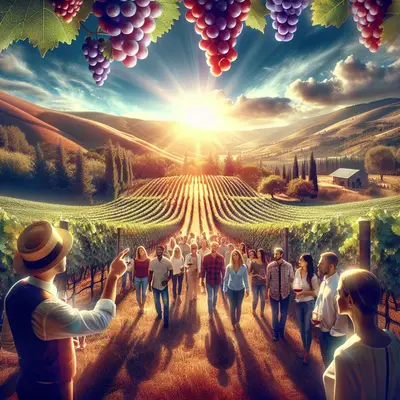
Rather than four or five abbreviated stops, consider one or two extended immersions. Allow for vineyard walks in the early morning, when the air is cool and the vines are still; schedule cellar visits in the late afternoon, when light softens and conversation naturally deepens. Ask your host to trace a single vintage from vine to bottle, tasting barrel samples, finished wines, and (if you are fortunate) library releases of the same cuvée. This temporal continuity reveals how seasons, aging, and winemaking decisions echo across years.
Anchoring your itinerary around time also opens space for contemplative pauses: a quiet moment in the barrel hall to appreciate the scent of oak and stone, or a slow stroll through older vines whose gnarled trunks tell their own story of resilience. The result feels less like “going on a tour” and more like inhabiting a day in the life of the estate.
Reading the Landscape: Terroir as a Private Conversation
Terroir is one of wine’s most frequently invoked—and least intimately understood—concepts. On a refined wine tour, the vineyard becomes a text to be read, not just a backdrop for photos.
Ask to stand in contrasting parcels: a cooler, higher-elevation block and a warmer, lower plot; a slope with stony soils and a neighboring one with clay. Taste the corresponding wines in situ, glass in hand, as you look over the very rows that produced them. Note how the wind moves through one hillside and not another; observe where the sun lingers at the end of the day.
You will begin to recognize that terroir is not an abstraction but a lived environment: the crunch of limestone underfoot, the saline whisper of maritime air, or the damp forest aroma rising from a shaded parcel. Once you have experienced this physicality, the wines of that place will never again feel generic—they will carry a memory of a specific breeze, a particular light, a distinct texture of earth.
Private Access: Beyond the Standard Tasting Room Experience
True exclusivity in wine tourism is less about velvet ropes and more about access to the estate’s inner life. Seek experiences that bring you into spaces typically reserved for family, winemakers, or long-standing clients.
An appointment-only visit often signals a more intentional encounter. In such settings, tastings might take place at a large wooden table in a library filled with old vintages and hand-written ledgers, or in a quiet corner of the cellar amidst resting bottles. Ask in advance if it is possible to meet the winemaker, vineyard manager, or proprietor; a brief conversation with one of them can unlock stories and perspectives that no public script can match.
Some estates offer the opportunity to taste components rarely poured for visitors: single-barrel samples, base wines before blending, or experimental lots not yet released. These are not designed for casual tourism; they are invitations into the creative process. For the committed wine enthusiast, these moments are both privilege and education, revealing how intuition, risk, and tradition come together before a label is ever printed.
Dining Among the Vines: Gastronomy as a Lens on Place
Food, when thoughtfully paired, can be a lens through which the character of a region becomes vivid and unforgettable. Rather than treating meals as convenient pauses between tastings, consider them integral chapters in your wine journey.
Many premium estates now collaborate with chefs to offer vineyard lunches or multi-course dinners that highlight local, seasonal produce. Ask whether the menu has been constructed around the estate’s wines, and if so, request that the sommelier explain the intention behind a particularly nuanced pairing. A white wine’s subtle herbal note might be echoed by a single sprig of tarragon; a textured, lees-aged sparkling wine might be paired with delicately briny shellfish, illuminating its saline core.
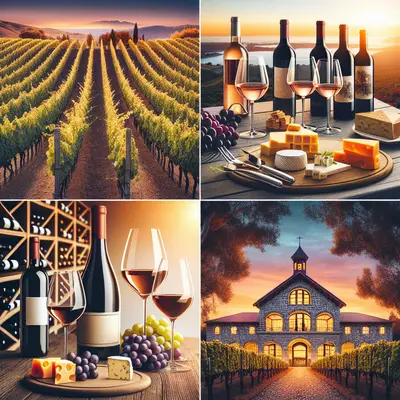
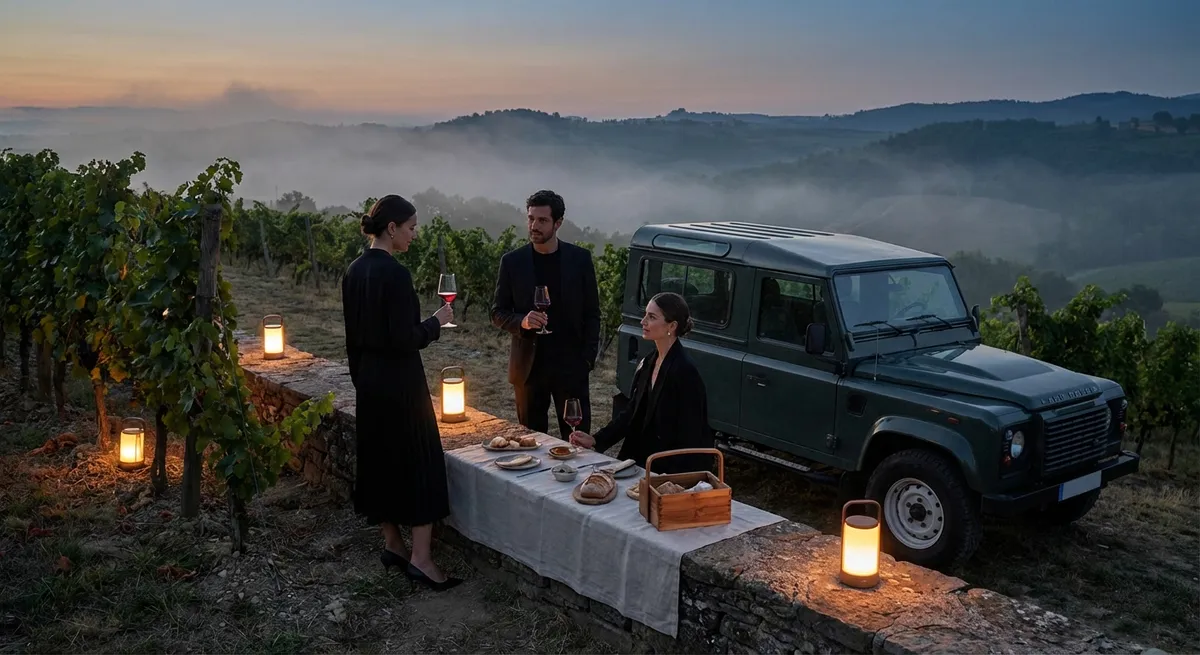
The most rewarding pairings are not about extravagance but precision. Even a simple dish—fresh bread, local olive oil, a piece of artisanal cheese—can be revelatory when aligned with the right cuvée. Over time, you may find that your most enduring memories of a wine region are not tied to specific bottles, but to the harmony between a particular dish, a specific wine, and the place where you enjoyed them, with vineyard rows stretching quietly beyond the table.
Collecting with Intention: Transforming Souvenirs into a Personal Archive
It is easy to leave a wine region with a trunk full of bottles and little sense of coherence. A more elevated approach is to treat your purchases as a curated archive of experiences rather than a random accumulation of favorites.
Begin by identifying a theme for your collection from each visit: perhaps vertical vintages of a single flagship wine, contrasting expressions of one grape across different terroirs, or a selection of wines that illustrate the evolution of a particular style (say, traditional-method sparkling or extended-maceration whites). Before you depart, ask the estate for technical sheets or brief notes, and record your own impressions of the setting and the people you met.
When you eventually open these bottles—months or years later—you will not merely be revisiting a wine; you will be reopening a chapter of your travels. Each cork becomes a key to memory: the cool air of the cellar, the cadence of your host’s voice, the late-afternoon light on the vines. This transformation of wine from “souvenir” to “personal archive” is one of the quiet luxuries of thoughtful wine tourism.
Conclusion
A refined wine tour is not measured in the number of wineries visited or the quantity poured. Its true value lies in depth: in understanding the rhythms of a vineyard, the decisions of a winemaker, the nuances of a landscape, and the stories that bridge past and present in the glass.
By structuring your visits around time rather than tallying stops, reading terroir as a living environment, seeking private access, embracing gastronomy as a guide to place, and collecting with intention, you elevate your journey from pleasant excursion to meaningful exploration. In these considered details, wine travel becomes what it has always aspired to be: an elegant, immersive dialogue between traveler and terroir.
Sources
- Wine Institute – Explore California Wine Country – Overview of major regions, climates, and visitor information for planning sophisticated winery visits.
- Bordeaux Wine Council (CIVB) – Tourism in Bordeaux Vineyards – Insight into vineyard tourism experiences, including estate visits, tastings, and food pairings in a classic region.
- Champagne Committee – The Terroir of Champagne – Detailed explanation of how soil, climate, and geography shape wine, ideal for understanding terroir during vineyard tours.
- Napa Valley Vintners – Visit Napa Valley Wineries – Directory and guidance for appointment-only and estate-focused experiences in Napa, emphasizing premium visits.
- Harvard T.H. Chan School of Public Health – Alcohol: Balancing Risks and Benefits – Evidence-based overview of wine and alcohol consumption, useful context for responsible enjoyment on wine tours.
Key Takeaway
The most important thing to remember from this article is that this information can change how you think about Wine Tours.