An extraordinary wine tour is never merely a sequence of tastings; it is a choreography of place, time, and sensorial detail. For the traveler who values nuance over noise and depth over display, the true luxury of wine travel lies in the quiet structures that shape each moment—how a vineyard is approached, how light falls in a tasting room, how a single bottle is opened with context rather than ceremony alone. At Wine Tour Adventures, we view each journey as a thoughtfully scored composition, where every glass is a movement in a larger symphony of landscape, craftsmanship, and story.
The Geometry of Arrival: Setting the Tone Before the First Pour
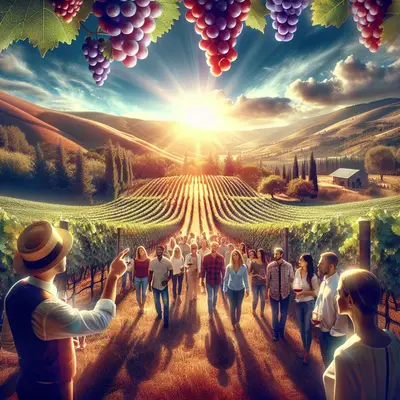
The character of a wine tour begins well before the first sip. The route into the estate, the pacing of transitions from road to gravel drive, from gate to courtyard, all subtly frame your expectations. A considered arrival sequence slows the tempo of daily life and prepares the palate for attention.
The most refined estates often use architecture and landscape to articulate this shift. A shaded allée of trees, a quiet overlook above the vines, or a momentary pause in a loggia with sweeping vineyard views all invite you to exhale, recalibrate, and attune your senses. This is not about ostentation; it is about creating a threshold where the outside world recedes.
Enthusiasts who understand this geometry of arrival tend to look for it, and request it. Asking to begin your visit with a brief vineyard walk or a vantage point over the estate’s key parcels immediately changes the tone of the experience. The wines that follow are no longer abstract; they are anchored in the soil and contours you have just traversed.
Time in the Glass: Letting the Wines Dictate the Rhythm
The tempo of a tasting can elevate or diminish even the finest wines. True luxury is not only what is poured, but the time you are given to live with each glass. Too often, tight schedules compress tastings into a brisk sequence that prioritizes breadth over depth.
A more elevated approach allows wines to unfold at their own pace. Whites and sparkling wines may be served first, but the most thoughtful hosts will revisit them later, letting you experience how they evolve as they warm slightly in the glass. Structured reds are offered a longer runway—poured early, revisited after oxygen and conversation have had their effect.
For those who appreciate subtlety, requesting side-by-side comparisons can be revelatory: the same grape from two neighboring parcels, two vintages of a flagship cuvée, or a barrel sample beside its finished counterpart. This interplay of time and comparison reveals not only the wine, but the philosophy and patience of the producer. The experience becomes less about quantity and more about the cadence of discovery.
Five Insider Insights for the Attentive Wine Traveler
Beyond the obvious markers of quality—reputation, scores, or price—there are quieter, more telling signs that distinguish a truly exceptional wine tour. Enthusiasts who pay attention to these details often find themselves rewarded with deeper access and more meaningful experiences.
1. Ask About the “Forgotten” Parcels
Every serious estate has a narrative about its grandest parcels, but the most intriguing stories often lie with the overlooked plots: an older, low-yielding vineyard, a marginal slope that ripens slowly, or a block retained from an earlier generation’s plantings. Asking about these sites signals an interest in the full tapestry of the estate, not just its marquee labels. You may be offered a cellar sample from a limited bottling, or a taste of a wine made only for the family table—moments that rarely appear on standard itineraries.
2. Observe the Glassware and Serving Temperatures
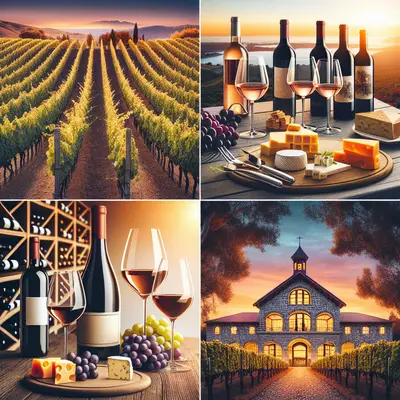
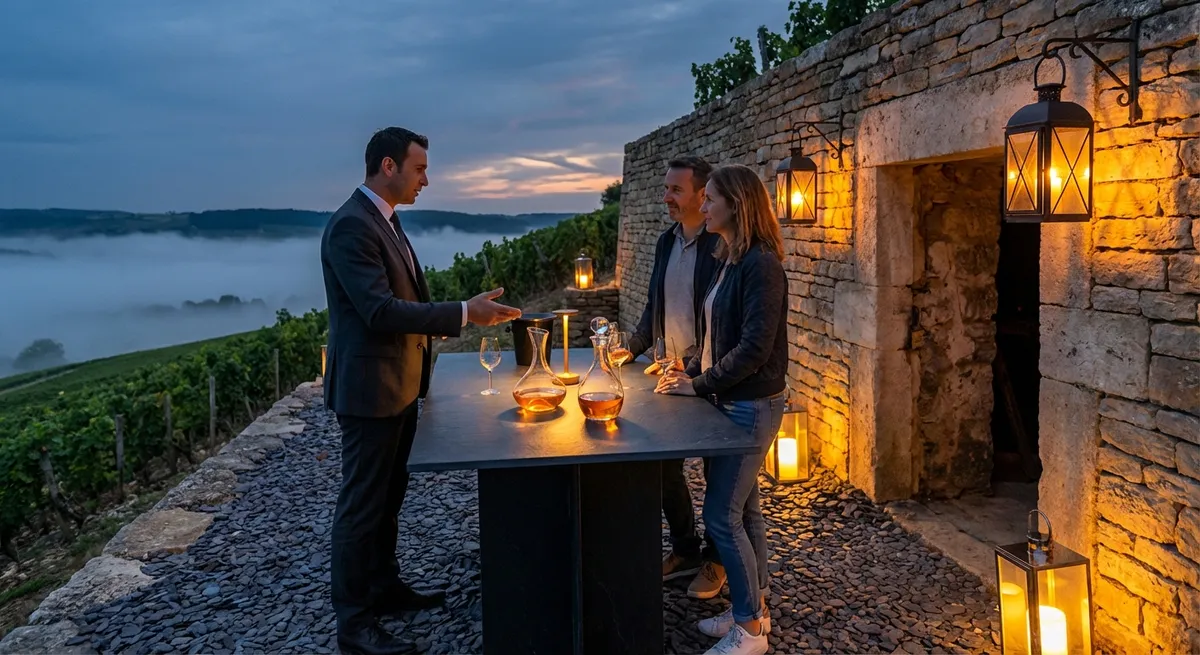
Glassware and temperature management are among the clearest indicators of a producer’s respect for their own wines. Premium estates will calibrate glass shape to wine style, adjusting bowl size, rim width, and even glass weight to frame aromatics and texture. Equally telling is how whites, rosés, and reds are served: too cold and nuance is suppressed; too warm and structure is blurred. When a host gently re-chills a bottle between pours or decants with intention, it reflects a culture where precision is part of hospitality.
3. Ask to See the “Workspaces,” Not Just the Showcase Cellar
The most photogenic barrel rooms are designed to impress, but the true heartbeat of a winery is often in the less polished spaces: the lab where blending trials occur, the sorting tables where harvest decisions are made, the modest room where older vintages rest under a fine layer of dust. Inquiring about these workspaces—how fruit is selected, how ferments are monitored, how experiments are conducted—draws you closer to the estate’s daily discipline. The experience moves from spectacle to substance, from surface to process.
4. Taste at Least One Wine “Out of Type”
Every estate has a core identity—Bordeaux blends, Burgundian-style Pinot Noir, crisp coastal whites—but some of the most revealing insights come from wines that sit at the edge of that identity. These might be experimental bottlings, alternative varieties, or a style that is not the region’s signature. Tasting at least one “out of type” wine shows you how the estate thinks creatively and adapts to climate, terroir, and evolving tastes. It is a glimpse into their curiosity and future direction.
5. Listen for How They Discuss a Challenging Vintage
The way a producer speaks about difficult years is a masterclass in integrity. A winery deeply grounded in its craft will not gloss over hail, frost, drought, or smoke; instead, they will articulate the decisions they made—lower yields, stricter selection, altered élevage, or even choosing not to bottle a top cuvée. Asking to taste a wine from a challenging year, if available, reveals how philosophy translates into action. For the thoughtful enthusiast, these are often the most compelling bottles: subtle, resilient, and quietly expressive of their time.
Curating the Invisible: Service, Silence, and Sense of Place
While wine is the focal point, the finest tours understand that the spaces between sips are equally important. Silence is treated as a luxury: time to stand among the vines, to contemplate a cellar’s cool air and faint echo, to feel how the mood of an estate shifts with the hour. This space allows for genuine connection—not only with your guide, but with the landscape itself.
Consider also the refinement of service. Discreet hosts anticipate needs without interruption: a small adjustment in seating so the light falls softly on the glass, a pour timed to a pause in conversation rather than a formulaic sequence, a quiet shift to a more contemplative wine as the group settles. Water is offered without fanfare, palate-fatiguing snacks are avoided in favor of neutral, thoughtful pairings.
The most memorable visits also possess a coherent sense of place. Local materials in the architecture, regional culinary accents in accompanying bites, and a narrative that ties heritage to present-day practice all deepen immersion. The experience ceases to be “a wine tour” and instead becomes a brief residency in a living culture of craftsmanship.
Conclusion
An exceptional wine tour is an exercise in deliberate refinement: of time, of attention, of the unspoken cues that signal depth over display. For the serious enthusiast, true luxury lies not in the length of a tasting list or the glamour of a label, but in the quiet precision beneath the surface—the thoughtful arrival, the patience in the glass, the candor about difficult years, the invitation into unpolished workspaces, and the subtle choreography of service.
At Wine Tour Adventures, these principles shape every journey we curate. Each itinerary is an invitation to travel more attentively, to ask more incisive questions, and to seek out the understated details that distinguish a pleasant visit from an indelible one. In the end, what lingers is not only the memory of a particular vintage, but the sense of having stepped, however briefly, into the inner life of a place where wine is not merely produced, but quietly, rigorously, and beautifully lived.
Sources
- Wine Institute – California Wine Country Visitor Information - Provides background on planning wine country visits and understanding regional diversity
- GuildSomm – The Elements of Tasting - Professional perspective on structuring tastings and evaluating wines with precision
- UC Davis Department of Viticulture and Enology - Technical insights into viticulture and winemaking that underpin informed winery conversations
- Wine Spectator – How Wineries Handle Difficult Vintages - Discussion of decisions and strategies in challenging years, relevant to evaluating producer integrity
- Decanter – How to Get the Most from a Winery Visit - Guidance on elevating winery visits, asking meaningful questions, and reading subtle cues during tours
Key Takeaway
The most important thing to remember from this article is that this information can change how you think about Wine Tours.