Wine travel, at its finest, is less about ticking off famous labels and more about inhabiting a world calibrated to nuance—of place, of people, of time in the glass. A considered wine tour is a choreography of landscapes, cellars, conversations, and quiet moments that deepen your understanding of what you drink and why it matters. For those who seek more than a photo at a tasting bar, the modern wine journey is an immersive, almost curatorial experience.
Below, we explore how to shape an elevated wine tour and unveil five exclusive insights that serious enthusiasts quietly rely on—but rarely post on the tasting-room chalkboard.
Designing a Wine Tour Around the Rhythm of the Vineyard
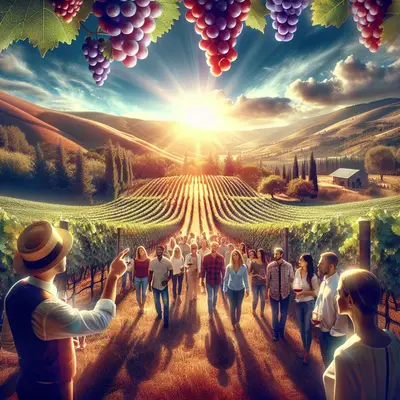
The most memorable wine tours are planned not around your calendar, but around the vineyard’s. Vines are living instruments with their own tempo: budbreak in spring, vigorous canopy growth in early summer, veraison as grapes soften and color, then the frenzy of harvest. Aligning your trip with these natural rhythms transforms your itinerary from sightseeing into participation.
Visiting during late spring reveals the architecture of the vineyard—trellising choices, pruning styles, soil exposure—without the foliage concealing the details. Early summer showcases canopy management and water strategy, giving you a window into how a producer balances vigor and concentration. Harvest visits, while often more crowded, offer the electric hum of sorting tables, the scent of fermenting must, and the sight of decisions being made in real time. Even winter, with bare vines and quiet cellars, invites deeper technical conversations and slower, more contemplative tastings. The key is to ask wineries not only which days they are open, but what is happening in the vines and cellar when you arrive.
Curating an Itinerary by Philosophy, Not Just Geography
Many travelers map their wine tours by region alone—Napa, Rioja, Bordeaux, Barossa—treating each stop as an interchangeable tasting. A more sophisticated approach is to design your journey around philosophies of winemaking and farming, allowing you to compare and contrast intent rather than merely style.
Consider pairing a domain known for rigorous biodynamic practices with a neighbor focused on precision-driven, technologically advanced winemaking. In one day, you might move from amphorae and herbal teas in the vineyard to optical sorters and temperature-controlled stainless steel tanks. Alternatively, you could focus on a single grape variety across multiple terroirs—Pinot Noir in Oregon, Burgundy, and New Zealand, for example—so each visit contributes a chapter to the same story. When crafting your route, research the house style, farming certifications, and cellar techniques. Then, ask for side-by-side flights that illuminate those differences. A tour built on intentional contrast will not only refine your palate but also sharpen your sense of what you truly value in a wine.
Five Quiet Insights Serious Wine Travelers Rely On
1. The First Pour Is Not the Final Verdict
Enthusiasts know that the wine you taste in the first minute rarely shows you its full character, especially in cellars where bottles are opened in quick succession. Instead of rushing to a judgment, observe how the wine evolves over the course of the visit. Swirl, revisit, and if possible, return to the first glass after tasting others.
Temperature in tasting rooms can be slightly cooler than ideal—particularly for reds—and newly opened bottles may feel reserved, tightly wound, or aromatically shy. With a few extra minutes of air, the nose may broaden from simple fruit to layers of spice, floral notes, or savory depth. Ask whether the winery can pour a sample from a bottle opened earlier that day to compare. Enthusiasts quietly keep a mental (or written) log of “first impression” versus “30 minutes later”—a habit that dramatically improves buying decisions.
2. Serious Questions Unlock Serious Wines
There is an unspoken hierarchy in many tasting rooms: guests who show curiosity and respect often find doors opening to more limited cuvées, library releases, or experimental bottlings. Rather than asking, “What’s your most popular wine?” consider questions that reveal genuine engagement.
Thoughtful prompts might include: “How has your picking date strategy evolved in the last decade?” or “What changes are you making in response to recent vintages and climate shifts?” You might ask about rootstocks, barrel coopers, or how they define ripeness for their flagship wine. These questions signal that you’re interested in the producer’s perspective, not just the label. Frequently, a host will respond with, “Let me show you something special,” and quietly pull an unlisted bottle from behind the bar—a small, off-menu reward for your attention to detail.
3. Vertical Tastings Reveal Truths Marketing Can’t
Every winery can tell a captivating story about craftsmanship and terroir; vertical tastings—sampling multiple vintages of the same wine—reveal whether that story holds over time. Where available, enthusiasts prioritize estates that offer vertical lineups, even if it means fewer stops in a day.
By tasting, for instance, a producer’s 2014, 2016, and 2019 of the same cuvée, you can assess how vintage conditions, vine age, and evolving winemaking choices shape the final result. A house that consistently produces balanced, expressive wines across diverse vintages often merits deeper cellaring and higher investment. Vertical tastings also calibrate your sense of aging potential: you’ll see how primary fruit transforms into tertiary complexity and learn when a given wine tends to enter its most harmonious window of drinkability.
4. The Most Revealing Moments Happen Between Appointments
A refined wine tour is not a race between reservations; it is the space between them that refines your perception. Enthusiasts deliberately leave buffer time between visits—not only to avoid palate fatigue and rushed drives, but to absorb the landscape and process what they’ve tasted.
Sitting quietly in a vineyard overlook or at a modest café in the nearest village, you can re-examine your notes, compare impressions with your travel companions, and notice how the last wine echoes or fades in your memory. Often, the bottles that stay with you are not the most powerful, but the most precise, the ones that still feel clearly drawn an hour later. This contemplative spacing also creates room for serendipity—an unplanned conversation with a grower, a recommendation from a sommelier, or an impromptu stop at a small, family-run estate you might otherwise overlook.
5. Your Palate Is the Only Authority That Follows You Home
In regions with towering reputations, it’s easy to be swayed by scores, status, and scarcity. Elevated travelers quietly practice an internal discipline: they listen to the prestige, but they buy according to personal resonance. A 100-point bottle that leaves you unmoved will never become a treasured memory, no matter how famous the name on the label.
During tastings, pay close attention to texture, balance, and aftertaste. Does the wine invite another sip, or does it simply impress with power? How does it behave with even a tiny bite of food—cheese, a simple cracker, or a piece of charcuterie? The wines that integrate gracefully rather than dominate are often those you will reach for most often at home. Before committing to larger purchases, imagine specific occasions or dishes you would pair with the bottle; if no scene comes to mind, it may be admiration rather than affection guiding your choice.
Elevating Each Stop: From Transaction to Encounter
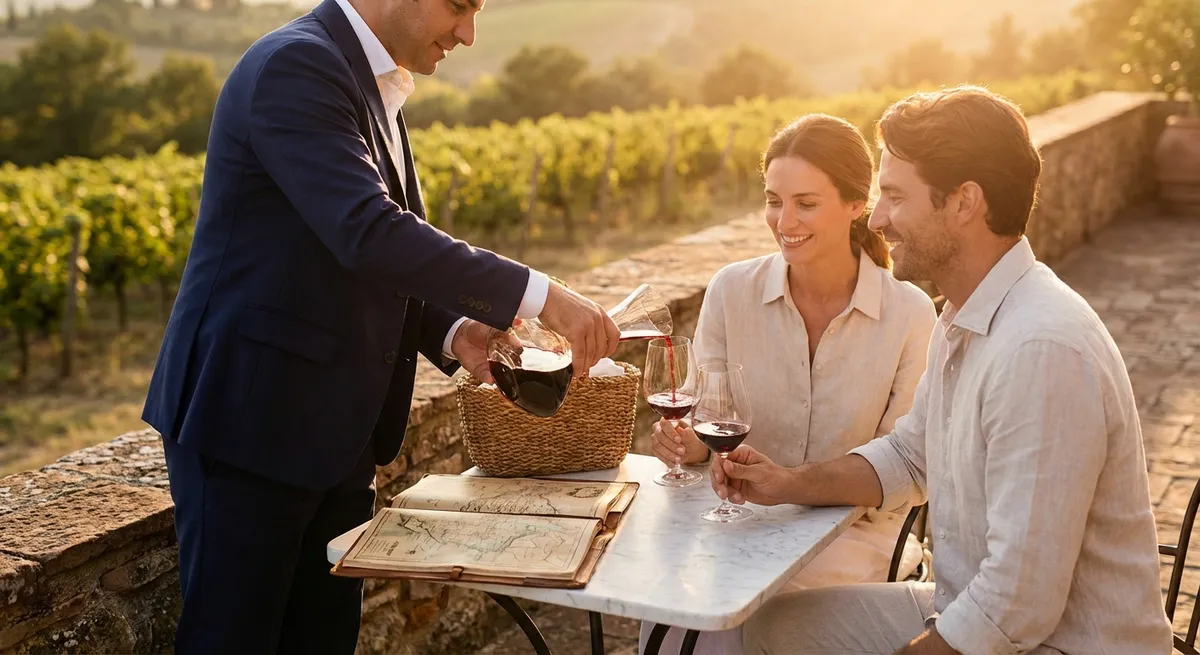
For a premium wine tour, it’s worth approaching each visit as an intimate encounter rather than a commercial transaction. Confirm appointments in advance, arrive punctually, and signal early on that you’re there to learn, not to rush. Hosts often respond to this energy by deepening the experience—offering cellar walks, barrel samples, or time with a winemaker.
Thoughtful details elevate the day: neutral clothing that suits both vineyard paths and elegant tasting rooms, a small notebook or discreet tasting app, and a portable, refillable water bottle to stay hydrated between pours. Consider appointing a designated driver or booking a private car service; the peace of mind enhances both safety and your ability to focus on the subtleties in the glass. At the end of each visit, express appreciation for specific elements—the clarity of the explanation, the vineyard walk, a particularly illuminating comparison. This transforms a standard tasting into the beginning of a relationship.
Bringing the Experience Home
The culmination of a refined wine tour is not the number of bottles shipped, but the perspective you bring back with you. When your selections arrive, resist the urge to open everything at once. Instead, recreate miniature versions of your journey: taste two producers’ expressions of the same grape side by side, recall the soils beneath your feet, or revisit your notes from a vertical tasting to decide when to open each bottle.
You might host a small, focused dinner built around a single estate or region, sharing stories from your visit alongside the wines themselves. This is where the value of your trip truly compounds—each cork becomes a portal back to the landscapes, conversations, and quiet insights you gained along the way. In time, your cellar becomes less a collection of labels and more a curated map of experiences, each bottle chosen not for its fame, but for the way it deepened your understanding of wine and of your own taste.
Conclusion
A sophisticated wine tour is an exercise in attentiveness: to the seasons, to the choices behind each bottle, and to your own evolving palate. By aligning your travels with the rhythm of the vineyard, curating stops by philosophy, and leaning into the quiet practices that enthusiasts cherish—patient tasting, thoughtful questions, reflective pauses—you transform ordinary visits into enduring, personal narratives in the glass. The true luxury of wine travel isn’t found in the most exclusive address, but in the precision with which you experience every pour, every landscape, and every conversation—long after your journey has ended.
Sources
- Napa Valley Vintners – The Winegrowing Year - Clear overview of seasonal vineyard stages and their impact on visits
- UC Davis Department of Viticulture and Enology - Educational resource on viticulture, winemaking practices, and research
- Wine Institute – California Wine Country Travel Tips - Practical guidance for planning thoughtful wine country visits
- Institute of Masters of Wine – What Is Fine Wine? - Insight into how professionals evaluate quality and aging potential
- Decanter – Vertical Tastings Explained - Discussion of why vertical tastings reveal producer consistency and style
Key Takeaway
The most important thing to remember from this article is that this information can change how you think about Wine Tours.