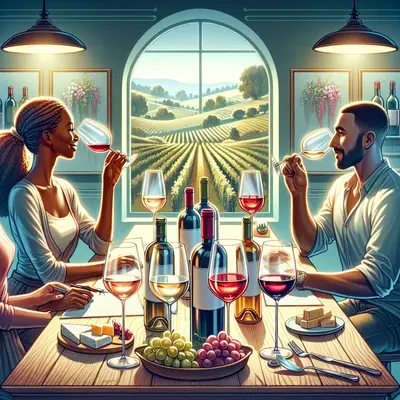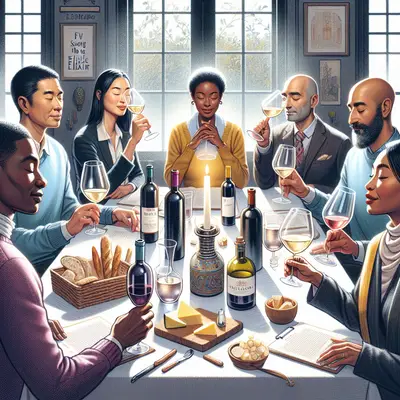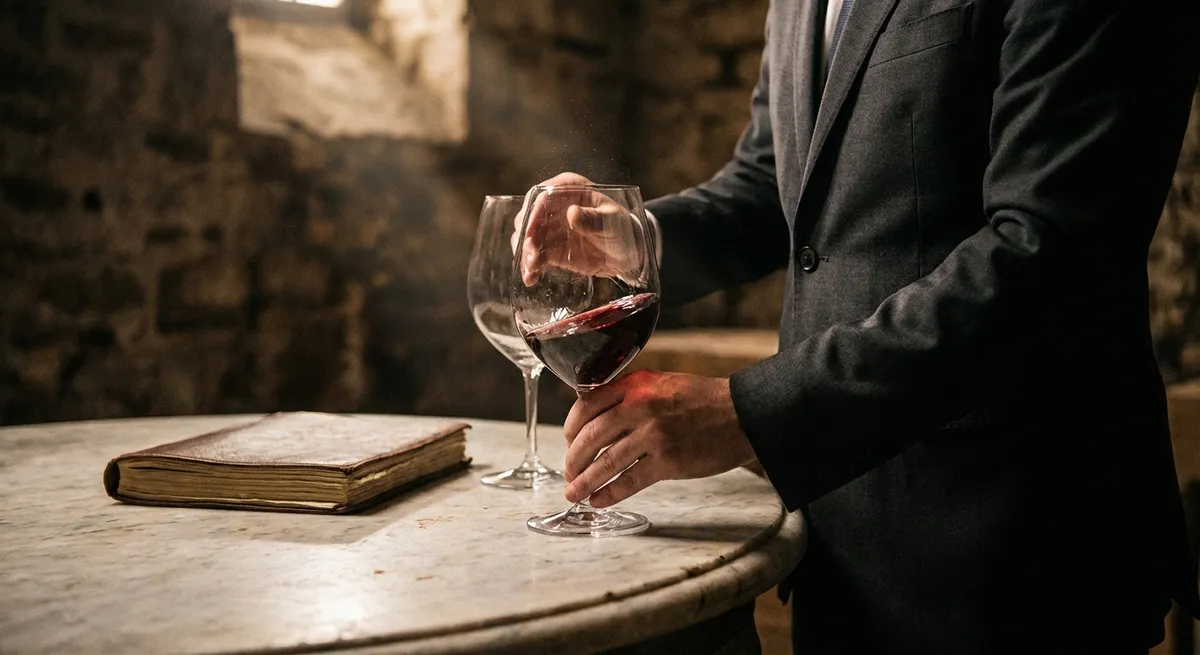
Wine tasting, at its most rewarding, is less a performance and more a private conversation between the taster, the glass, and the moment. Beyond swirling and sniffing, there is a quieter discipline: a way of noticing, comparing, and remembering that transforms each sip into an experience worth pursuing. For the devoted enthusiast, refinement lies not in spectacle, but in depth of perception—how precisely you sense, how elegantly you interpret, and how clearly you recall.
Below are five exclusive, detail-driven insights designed to move your tasting from capable to truly considered—subtle shifts in approach that yield disproportionately rich rewards.
The Temperature Window: Tasting Along a Curve, Not a Point
Most enthusiasts know that temperature matters; fewer intentionally use it as a tasting tool.
Instead of seeking a single “perfect” serving temperature, treat each wine as having a temperature curve—an evolving spectrum of expression. Begin slightly cooler than the textbook recommendation, and allow the wine to warm gradually in the glass. Note how the wine moves through three distinct phases:
- Initial restraint – At cooler temperatures, structure (acidity, tannin) is more pronounced, while aromatics can feel reserved. This is where you sense the wine’s architecture: its frame, angles, and tension.
- Aromatic bloom – As the wine warms, aromatics expand in both intensity and complexity. Secondary and tertiary notes—herbs, spices, earth, gentle oxidative tones in older bottles—often reveal themselves here.
- Softening and blur – A touch too warm, and alcohol begins to speak more loudly. Texturally, the wine can feel plusher but less defined, like a photograph that’s fractionally out of focus.
Rather than correcting the temperature the moment it strays, use these transitions to understand the wine’s range. A serious enthusiast will often revisit the same wine at different points in the curve, mentally mapping where it feels most precise, most generous, and most honest.
This approach is especially revealing for Champagne and other quality sparkling wines: start them colder than you think, follow them as they warm, and observe when the mousse, dosage, and autolytic complexity come into perfect balance.
The Texture Lexicon: Reading a Wine by Feel, Not Just Flavor
Palate descriptions are often dominated by fruit descriptors, yet what separates a well-made wine from a compelling one is frequently texture. Building a personal lexicon of tactile impressions allows you to evaluate wines with greater sophistication and accuracy.
Pay attention to:
- Grain of tannin – Is it chalky, velvety, powder-fine, or sand-like? Fine tannins can feel like brushed suede; coarser ones like over-steeped tea. Comparing different regions or producers becomes more meaningful when you can articulate how their tannins differ, not simply how intense they are.
- Weight vs. density – A wine can be light in weight but dense in flavor, or full-bodied yet surprisingly airy. Note whether the wine sits heavily on the mid-palate or seems to glide, leaving a trail of flavor without heaviness.
- Shape on the palate – Some wines feel linear, moving in a straight line from attack to finish. Others broaden across the mid-palate before tapering. A great white Burgundy, for example, often expands like a slow, deliberate fan and then narrows with mineral precision.
- Surface quality – Smooth, waxy, oily, creamy, angular, crystalline—these tactile impressions often reveal winemaking decisions (lees contact, oak regimen, extraction) more clearly than flavors alone.
When tasting, consciously separate flavor from feel. Ask: if this wine had no identifiable fruit notes, what would its texture tell me? Over time, this practice creates a more discriminating palate and a more articulate memory of each bottle.
The Quiet Power of Glassware: Calibrating, Not Collecting
Premium wine culture often reduces glassware to consumer theater—larger bowls, finer stems, more ostentatious shapes. A serious taster, however, uses glassware as an instrument of calibration, not ornament.
Instead of endlessly acquiring more designs, focus on understanding comparative performance:
- Choose two well-made, but different, universal glasses.
- Pour the same wine into both, filling each to the same level.
- Taste them side by side, paying attention to changes in aromatic intensity, focus, and balance.
You may discover that one glass compresses the nose but clarifies the palate, while another amplifies aroma but exaggerates alcohol or sweetness. For wines with pronounced aromatic profiles (e.g., Riesling, Nebbiolo, Syrah), the impact of bowl shape and rim diameter can be striking.
A refined insight many overlook: your preferred glass for evaluative tasting may not be the one that makes the wine most dramatic, but the one that makes it most legible. A slightly more restrained glass can provide better structural clarity and allow you to perceive nuance without distortion.
On wine tours or at tasting rooms, pay attention to the glassware choices of top producers. When they pour their flagship wines, which glass appears? That decision is rarely accidental.
Vintage and Context: Tasting the Year, Not Just the Wine
Experienced enthusiasts know vintages differ; true connoisseurs taste with an awareness of context.
When encountering a wine, especially from a classic region, consider three layers:
- The vintage’s general character – Was it warmer or cooler, drier or wetter than average? Warmer years may yield riper fruit, softer acidity, and higher alcohol; cooler vintages often highlight precision, lift, and aromatic purity.
- The producer’s style in that vintage – Many serious estates adjust their approach in response to the year. A naturally opulent producer may show welcome restraint in a warm vintage and striking tension in a cool one.
- Your own conditions in the moment – Time of day, preceding foods, ambient temperature, and even your level of fatigue subtly shape your perception. Recognizing these influences allows you to separate “this wine is flawed” from “this is not the ideal context for this wine.”
Keep concise tasting notes that include not only aromas and flavors but also the vintage’s reputation and your surroundings: Was this bottle shared outdoors on a warm evening, or tasted quietly in controlled conditions?
Over time, you will begin to recognize patterns: how a particular estate navigates riper years, which vintages are showing beautifully earlier than expected, and which are still wrapped in youthful austerity. This is where tasting evolves from episodic pleasure into a continuous, informed exploration.
The Memory of Aromas: Training Your Nose Like a Library
The most exclusive advantage any taster can cultivate is not access to rare bottles, but a refined and well-organized olfactory memory. To describe a wine with nuance, you must first have an internal library of non-wine scents to draw from.
Develop this quietly but deliberately in your everyday life:
- In markets, pause at the herb stand, spice bins, and citrus displays. Smell each item attentively, then name it in your mind. Notice the difference between lemon zest and lemon pith, fresh thyme and dried thyme, black pepper and white pepper.
- In the kitchen, smell ingredients before and after transformation: raw vs. roasted nuts, fresh vs. caramelized onions, newly cut apples vs. gently oxidized slices.
- In nature, distinguish fresh earth from wet stone, forest floor from dried leaves, sun-warmed pine from crushed herbs underfoot.
When tasting wine, resist the temptation to reach for elaborate metaphors immediately. Instead, ask: what known, non-wine aroma does this echo? Over time, your descriptors will become more precise, less decorative, and more genuinely informative.
This disciplined, almost meditative approach to aroma builds an asset that cannot be purchased: a private archive of scents that gives structure and clarity to every future tasting.
Conclusion
Elevated wine tasting is not a matter of rehearsed vocabulary or ostentatious ritual; it is a cultivated attentiveness to detail. By exploring wines along their temperature curve, reading texture as carefully as flavor, using glassware as an instrument rather than a trophy, placing each bottle within its vintage and contextual frame, and training your nose as a living library, you transform each encounter into something quietly exceptional.
For the devoted enthusiast, these refined practices do more than improve evaluation; they deepen enjoyment. Every glass becomes less about chasing superlatives and more about savoring nuance—a pursuit that feels, in its own understated way, luxuriously complete.
Sources
- University of California, Davis – Wine Serving and Storage Temperatures – Technical guidance on optimal serving and storage temperatures and how they influence wine perception.
- Wine & Spirit Education Trust (WSET) – Systematic Approach to Tasting – Framework for professional-level tasting, including appearance, nose, palate, and conclusions.
- Decanter – How Wine Glass Shape Affects Taste – Exploration of how different glass shapes influence aroma, flavor, and balance in the glass.
- GuildSomm – The Impact of Vintage – In-depth discussion of vintage variation and its impact on wine style and quality across regions.
- Harvard University – The Science of Smell – Overview of how olfaction and aroma memory work, providing scientific context for aroma training and perception.
Key Takeaway
The most important thing to remember from this article is that this information can change how you think about Wine Tasting.