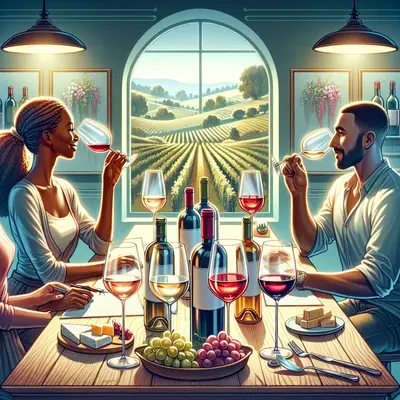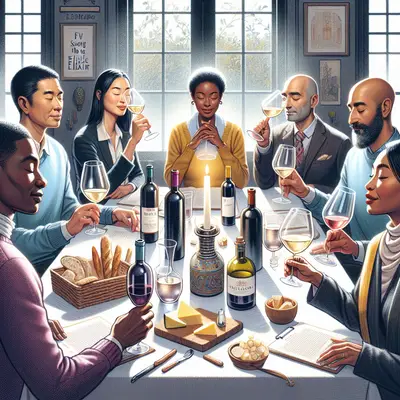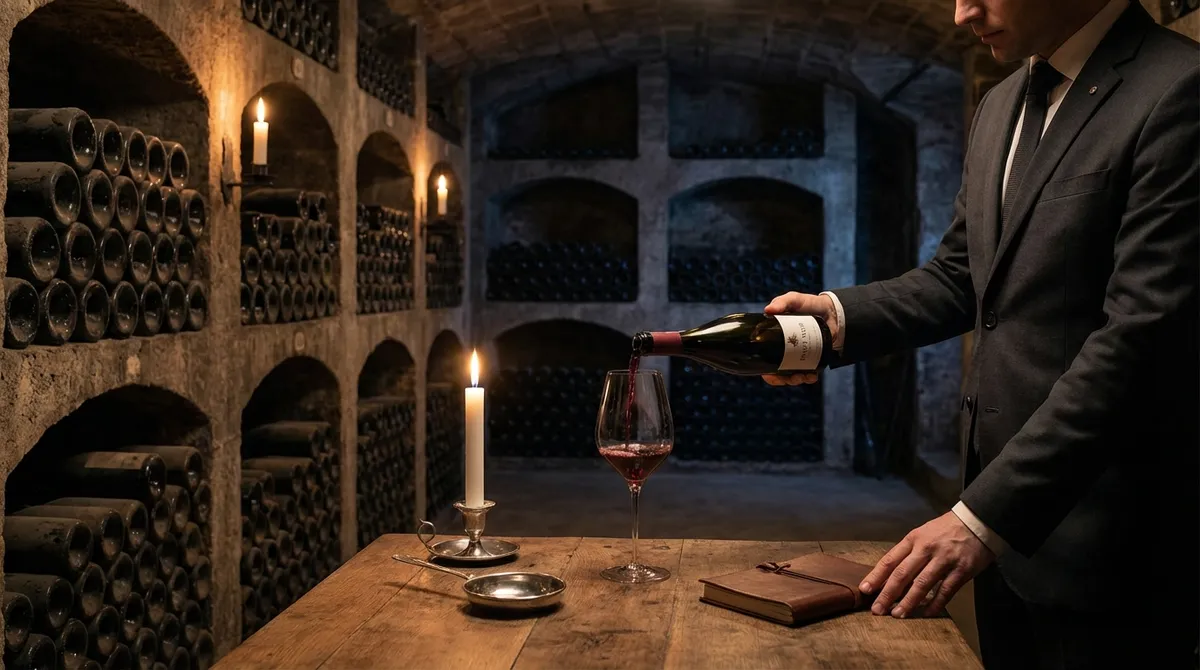
Wine tasting, at its most elevated, is less about swirling and sipping and more about learning to recognize a world of detail most people never notice. For travelers and enthusiasts who design their journeys around a glass, the true luxury is not simply in finding “great” wine, but in understanding why it is great—and how to experience it at its full potential. What follows is a refined exploration of wine tasting as a precision craft, with five exclusive insights that discerning wine lovers can quietly fold into their next tour or tasting.
The Architecture of a Sip: Training Your Palate Like a Perfumer
A memorable tasting begins before the wine touches your lips. The most serious tasters build a mental “library” of aromas, training their senses much like perfumers or tea masters. This library is what allows a fleeting note of bergamot, wet slate, or smoked tea to register with clarity rather than slipping past unnoticed.
Begin by isolating aromas outside of wine: crush herbs in your hand, smell fresh and dried citrus zest side by side, compare raw almonds with toasted ones, or stand in a garden after rain and file away the scent of damp earth. When you return to the glass, treat the aroma as architecture: the top notes (volatile florals and high citrus), the mid-palate aromas (stone fruit, red or black berries), and the structural base notes (oak, spice, earth, umami) form layers that reveal the wine’s style and origin. Over time, this practice transforms tasting from a casual indulgence into a sharply tuned sensory discipline, making each visit to a winery feel more like an intimate conversation than a simple stop on an itinerary.
Time in the Glass: Reading a Wine’s “Evolution Curve”
Most wine lovers know to “let a wine breathe,” but few observe just how dramatically it can change minute by minute. Every wine has a personal evolution curve in the glass: a quiet opening, a point of perfect expression, and, eventually, a slow unraveling. Learning to read this curve is one of the most exclusive, almost private pleasures of advanced tasting.
When a wine is poured, take a modest first sip without swirling. Note the structure: is the tannin angular or soft, the acidity sharp or muted, the fruit reticent or exuberant? Then swirl and taste again, watching how the wine loosens its shoulders. Check back every five to ten minutes. Great wines rarely show everything at once—they reveal themselves in chapters. On tour, this is why the most attentive hosts pour small amounts and revisit the same wine rather than racing through a lineup. The luxury isn’t simply in the label; it’s in granting the wine enough time that your experience captures its most eloquent moment, not an unfinished sketch.
Texture as a Signature: Feeling the Wine, Not Just Tasting It
While flavor notes dominate most tasting conversations, texture is where truly high-caliber wines quietly distinguish themselves. Texture is the unspoken signature of place, grape, and winemaking, and it’s often what your memory lingers on long after specific flavors fade.
Focus on how the wine moves across your palate. Does it glide like silk, or does it feel almost chalk-dusted, leaving a fine-grained sensation along your gums? Are the tannins powdery, velvety, or more like firm, polished leather? Does the acidity feel like a straight vertical line or a gentle, sweeping curve? White wines may offer a waxy, glycerol richness or a razor-like, crystalline edge; sparkling wines can range from feather-light mousse to densely creamy bubbles that feel almost architectural. As you travel and taste across regions—say, a structured Cabernet from Napa versus a more sinewy expression from Bordeaux—texture becomes a quiet comparative language, a way of recognizing precision, balance, and craftsmanship without ever reading the label.
Serving Rituals That Quietly Redefine the Wine
An advanced taster understands that the way a wine is served can refine or flatten the experience. The most understated yet powerful luxury is often temperature control, glassware, and decanting—details that separate a merely pleasant tasting from an unforgettable one.
Slightly cooler service can give definition to generous, full-bodied reds, sharpening their lines and reigning in alcohol, while a few degrees warmer can coax nuance from taut white wines that initially seem closed. Thoughtfully chosen stemware can amplify or soften a wine’s character: a broad bowl to coax aromatics from a structured red, or a narrower tulip shape to preserve delicacy in fine sparkling wine. Decanting is not just for the old and venerable; young, tightly wound wines often blossom with aeration, revealing a spectrum of secondary notes that remain locked away in bottle. As you visit wineries, pay attention to who obsesses over these subtleties—those are often the producers whose precision in the cellar mirrors their care at the table.
The Quiet Geography of Acidity, Minerality, and Finish
For seasoned enthusiasts, the most fascinating part of a wine is often what happens after you swallow. Acidity, minerality, and finish form an invisible geography that tells you where the wine has been and where it could go with age. Instead of focusing only on fruit and oak, redirect your attention to this subtle terrain.
Acidity is the wine’s spine—a sense of freshness that can feel like a fine, cool current running along the sides of your tongue. Minerality, though not a strictly defined chemical term, is the impression of stone, salt, or metal: crushed rock in a Chablis, saline notes in a coastal Albariño, graphite in a structured Cabernet. The finish—the length of time flavors and sensations linger—acts as the wine’s closing statement. A premium wine doesn’t just fade; it tapers, leaving an echo of spice, citrus oil, savoriness, or a gentle tug of tannin. On a carefully curated wine tour, comparing finishes from one terroir to another becomes a kind of cartography: you begin to taste altitude, soil, and climate as distinctly as fruit and oak.
Conclusion
The difference between a pleasant tasting and an extraordinary one rarely lies in obvious luxury. It lives in calibrated details: how you train your palate, how long you give a wine to unfold, how intently you feel its texture, how rigorously you attend to serving, and how thoughtfully you read its acidity, minerality, and finish. For the wine traveler who seeks more than postcard views and a few bottles to take home, these five insights transform each glass into a study in precision. The most rewarding tours are no longer just about where you go—but how completely you are prepared to taste once you arrive.
Sources
- UC Davis Viticulture and Enology – Sensory Science of Wine - Overview from UC Davis on the science behind wine aroma, flavor, and perception
- Wine Spectator – Wine Tasting 101 - Foundational guide to tasting structure, balance, and finish
- Decanter – How to Taste Wine Like a Pro - Detailed discussion of aroma, palate, and professional tasting technique
- Oxford Companion to Wine (Oxford Reference) - Authoritative reference on concepts such as minerality, acidity, and texture in wine
- Harvard T.H. Chan School of Public Health – The Nutrition Source: Alcohol - Evidence-based background on alcohol and health, useful for understanding moderation in wine tasting
Key Takeaway
The most important thing to remember from this article is that this information can change how you think about Wine Tasting.