The world’s finest wineries do more than make beautiful wine—they curate an ecosystem of precision, patience, and place. For travelers who seek more than a pour at the tasting bar, premium estates offer a layered experience where architecture, viticulture, hospitality, and time converge into something quietly extraordinary. This is not about spectacle; it is about intention. To recognize true excellence, one must learn to read the subtle signals that separate the merely reputable from the genuinely rarefied.
Beyond the Label: Understanding the Architecture of a Premium Estate
Step onto a truly premium property and the first cue is not the car park or the view—it is the way the estate flows. Thoughtful wineries are choreographed spaces: the alignment of the cellar with the vineyards, the way light enters the tasting salon, the discreet placement of technical equipment out of the guest sightline.
High-level wineries often design their buildings around gravity-fed winemaking, with multi-level cellars that allow juice to move by gravity rather than pump. This preserves texture and aromatics, and the architecture quietly reveals that priority. Barrel halls are not simply photogenic; their consistent temperature and humidity are vital tools, often maintained through partially subterranean construction or thick stone walls echoing the traditions of Europe’s great châteaux and domaines.
In tasting spaces, premium estates resist clutter. The furnishings are tactile—linen, stone, wood, leather—but never ostentatious. Glassware aligns with the estate’s philosophy: large, fine-bowled glasses to allow aromatic expansion, specific stem shapes for whites versus reds, often from producers like Riedel or Zalto. Everything, from ceiling height to table spacing, is designed to make you pay closer attention to the wine in front of you.
The Vineyard as Manuscript: Reading the Fine Print of Terroir
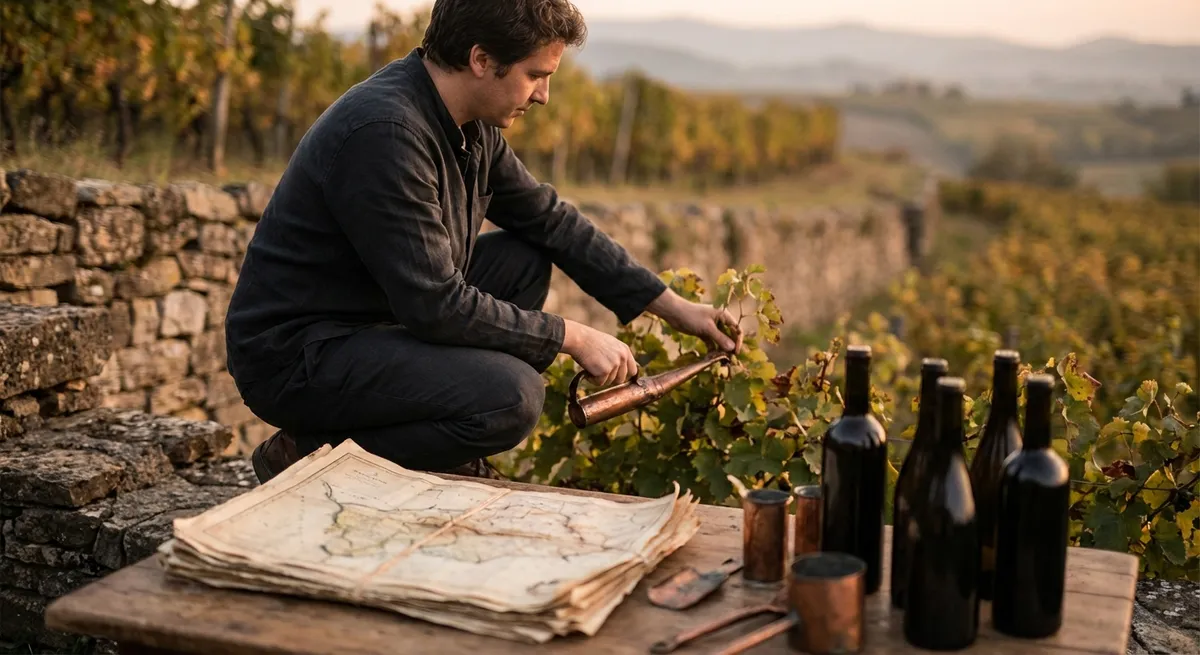
At the best wineries, the vineyard is not a backdrop for photos; it is the primary text. Premium estates invite you into the nuances of where and how their grapes are grown, and enthusiasts who pay attention to these subtleties gain a richer understanding than any label can provide.
Look for estates that speak in specifics: soil types (limestone, schist, clay, volcanic ash), exposition (east-facing for slow ripening, north-facing for freshness in warmer climates), and altitude. They may walk you through experimental blocks—older vines on their own roots, heritage varieties, or side-by-side plantings that allow for micro-comparisons.
You will often notice a deliberate mosaic in the vineyard: cover crops between rows to manage erosion and increase biodiversity, carefully controlled yields, and a visible commitment to handwork—pruning, canopy management, and selective harvesting. Discussions of organic, biodynamic, or regenerative practices are detailed rather than performative, with concrete examples: in-house compost, estate-grown teas and preparations, or solar-powered irrigation controls.
A premium winery treats each parcel as a chapter in a longer story, vinifying plots separately to understand their character before blending. This is terroir not as marketing language but as daily practice.
The Cellar as Atelier: Where Technique Meets Restraint
In the cellar of a premium estate, technology is present but never theatrical. Temperature-controlled tanks, small fermentation vessels, and pristine organization signal a commitment to precision. More telling than the equipment, however, is how the estate speaks about what they choose not to do.
Top-tier winemakers are transparent about oak usage: the percentage of new barrels, the forests they come from, and the coopers they favor. Rather than defaulting to new oak, they often rely on a mix of neutral barrels, larger formats (foudres), concrete eggs, or amphorae to maintain purity and texture. Malolactic fermentation, batonnage (lees stirring), and maceration times are described in terms of what the vintage needed, not what a “recipe” demanded.
You’ll also notice a calm confidence around the concept of imperfect seasons. Instead of over-correcting in the cellar, premium estates accept that cooler years yield more tensile, linear wines, while warmer vintages may be denser and more opulent. Their goal is not uniformity—it is character. This attitude manifests in transparent discussions about alcohol levels, acidity, and the decision to release certain cuvées only in vintages that truly deserve them.
Five Exclusive Insights for the Attuned Wine Enthusiast
The more you visit leading estates around the world, the more patterns emerge. These five understated markers often distinguish a genuinely premium winery from one that is simply polished.
1. Library Bottles Are Treated as a Responsibility, Not a Marketing Asset
Many wineries possess older vintages; a rare few curate them. A premium estate will maintain a structured library program, tracking bottle condition, cork integrity, and ideal drinking windows. When you encounter a vertical tasting, note how thoughtfully the wines are selected—often skipping weaker vintages rather than forcing continuity. This speaks volumes about integrity and long-term vision.
2. Time on the Estate Is Intentionally Unhurried
At top-tier wineries, appointments are typically limited and staggered. Hosts are never glancing at watches or rushing to the next group; instead, tastings unfold at the wine’s pace. Extended pauses between flights to revisit a previous glass, walks through the vines between cellar and salon, and space for questions all indicate that the estate values depth of engagement over volume of visitors.
3. The Best Stories Are About Place, Not About People
Premium estates may carry historic, even glamorous, family narratives, but their most compelling stories are usually about the land: how a particular parcel resisted phylloxera, how the local wind affects flowering, how old riverbeds shaped drainage patterns. When the winemaker talks longer about soils and exposures than about awards and critics’ scores, you are likely in the right place.
4. Hospitality Teams Speak the Language of Both Sommelier and Scholar
Your host at a serious winery can move seamlessly from discussing phenolic ripeness to advising on decanting times for your cellar. They translate technical choices into sensory experience—explaining, for example, how whole-cluster fermentation might be responsible for the spice and structure you taste in the glass. This dual fluency, both technical and experiential, reveals how deeply the estate invests in training and knowledge.
5. The Exit Is as Considered as the First Pour
At a premium estate, the conclusion of your visit is deliberately crafted. Perhaps there is a final taste of a limited cuvée in the garden, a quiet moment in the barrel hall, or a tailored recommendation for cellaring and serving the wines you selected. Follow-up communications—allocation offers, vintage updates, or invitations—are calibrated to your interests rather than generic lists. The relationship is designed to extend beyond a single afternoon.
Curated Experiences: When Tasting Becomes a Dialogue
The most refined wineries design their visits as conversations rather than performances. Rather than fixed scripts, they shape the experience around your level of knowledge and curiosity. A seasoned collector might be guided toward discussions of structure, longevity, and how a given vintage compares to reference years in Burgundy or Napa. A newer enthusiast might explore texture, aroma families, and how to build a thoughtful home cellar.
Food pairings, when offered, are restrained and deliberate. You are unlikely to see heavy sauces or distracting garnishes; instead, you encounter precisely calibrated bites—local cheeses, seasonal vegetables, barely adorned seafood or charcuterie—that frame the wine rather than compete with it.
Glassware, serving temperatures, and pacing are meticulously controlled. Whites may be served slightly warmer than many expect to reveal aromatic layers; reds may arrive initially cooler, designed to expand over the course of your conversation. The finest wineries understand that your perception of a wine is dynamic; they orchestrate that evolution, inviting you to revisit earlier pours and notice their transformation in the glass.
The Long View: Collecting, Cellaring, and Returning
One of the quiet luxuries of engaging with premium wineries is the sense of continuity. These estates do not merely sell you bottles; they invite you into the unfolding arc of their vintages. Many offer structured allocation programs that prioritize long-term relationships, allowing you to follow specific parcels or cuvées across a decade or more.
Serious wineries often provide precise cellaring recommendations: ideal drinking windows, decanting strategies, and food pairings that evolve as the wine matures. Some maintain back-vintage stocks specifically to allow patrons to “check in” on older years, refining their sense of how age shapes the estate’s profile.
The most memorable visits compel you to return—not for novelty’s sake, but to observe change: a new experimental parcel, subtle shifts in harvest dates in response to climate, an evolution in oak regime, or the maturation of young vines into serious contributors to the blend. Over time, a premium winery becomes less a destination and more a reference point in your own palate’s evolution.
Conclusion
To truly experience a premium winery is to enter a world where nothing is accidental. The angle of a hillside, the thickness of a cellar wall, the cadence of a tasting flight, the calm confidence with which a winemaker speaks of difficult vintages—all are pieces of an intricate grammar that, once learned, is impossible to ignore. For the discerning traveler and collector, the reward lies in seeing beyond the surface polish to the deeper architecture of intention.
When you next cross the threshold of an estate that claims to be “world-class,” pause and look for these subtle indicators. The finest wineries will not simply impress you; they will sharpen your perception, refine your expectations, and quietly redefine what you consider truly exceptional.
Sources
- [Napa Valley Vintners – What Makes Napa Valley Special](https://napavintners.com/napa_valley/our_region.aspx) – Overview of terroir, climate, and quality factors in a benchmark premium region
- [Burgundy Wine Board (BIVB) – Understanding Terroir](https://www.bourgogne-wines.com/our-terroir/terroir-in-bourgogne,2452,9261.html) – Detailed explanation of vineyard nuance, soils, and plot-by-plot winemaking
- [Wine Institute – Sustainable Winegrowing in California](https://wineinstitute.org/our-impact/environment/sustainability/) – Insight into sustainability practices used by leading estates
- [UC Davis Department of Viticulture and Enology](https://wineserver.ucdavis.edu/industry) – Research-based information on winemaking techniques, cellar design, and viticulture
- [Decanter – Gravity-Flow Wineries Explained](https://www.decanter.com/learn/gravity-flow-wineries-296586/) – Discussion of gravity-fed architecture and its impact on premium winemaking
Key Takeaway
The most important thing to remember from this article is that this information can change how you think about Premium Wineries.