Not all great wines announce themselves with spectacle. The most quietly coveted bottles are often born in places that feel less like businesses and more like private salons of taste—refined, deliberate, almost conspiratorial in their devotion to detail. For travelers who shape their itineraries around remarkable glasses, understanding what truly defines a premium winery transforms every visit from a simple tasting into a study in craftsmanship.
This is the world behind the label: where vineyard rows are farmed with near-obsessive precision, cellars hum at carefully controlled temperatures, and hospitality is choreographed to feel effortless, never theatrical. Below, we explore how to recognize the real thing—and share five exclusive insights that discerning wine enthusiasts rarely find in standard tasting-room chatter.
Beyond Price and Prestige: What “Premium” Really Means
The term “premium” is often misused as shorthand for “expensive,” but authentic premium wineries are defined by intention, not price tag. They tend to work with limited yields, prioritizing flavor density and balance over volume. The focus is not merely on producing a wine that scores well in a given vintage, but on a style that is coherent over decades—a recognizable signature shaped by site, climate, and house philosophy.
In these cellars, decision-making is strikingly long-term. Replanting a parcel can be a 10–15 year commitment before it fully contributes to flagship wines. Oak programs are fine-tuned like a wardrobe: different forests, coopers, and toast levels selected to suit specific parcels rather than a one-size-fits-all approach. Sustainability and vineyard health are treated as non-negotiable, not as marketing copy. When you visit such a place, you sense continuity—an estate that sees itself as a custodian of terroir rather than a producer chasing trends.
The Vineyard as Atelier: Where Greatness Actually Begins
Every premium wine story starts in the vineyard, and the most serious estates treat their vines as an atelier: a working studio where every detail is constantly adjusted and refined. Canopy management is tailored vine by vine, not row by row. Green harvesting—dropping fruit during the growing season—is used judiciously to concentrate flavor and maintain balance, not as a blunt instrument.
These estates invest heavily in soil understanding. Detailed soil surveys, often with geological and climatic mapping, guide which rootstocks and clones are planted where. You may see cover crops between rows—not weeds, but deliberately chosen plants to manage erosion, moisture, and biodiversity. Some adopt organic or biodynamic frameworks, but the most sophisticated wineries move beyond labels to a practical, evidence-driven philosophy: what matters is vine resilience, microbial health in the soil, and fruit that arrives at the cellar door already in near-perfect condition.
Walk the vineyards of a truly premium property and you’ll notice quiet signals: uniform but not militaristic rows, subtle differences between parcels, judicious use of technology (such as weather stations or precision irrigation) in service of restraint rather than excess. It is here, in these thoughtful details, that greatness becomes inevitable long before a barrel is filled.
Inside the Cellar: Where Restraint is the Highest Form of Skill
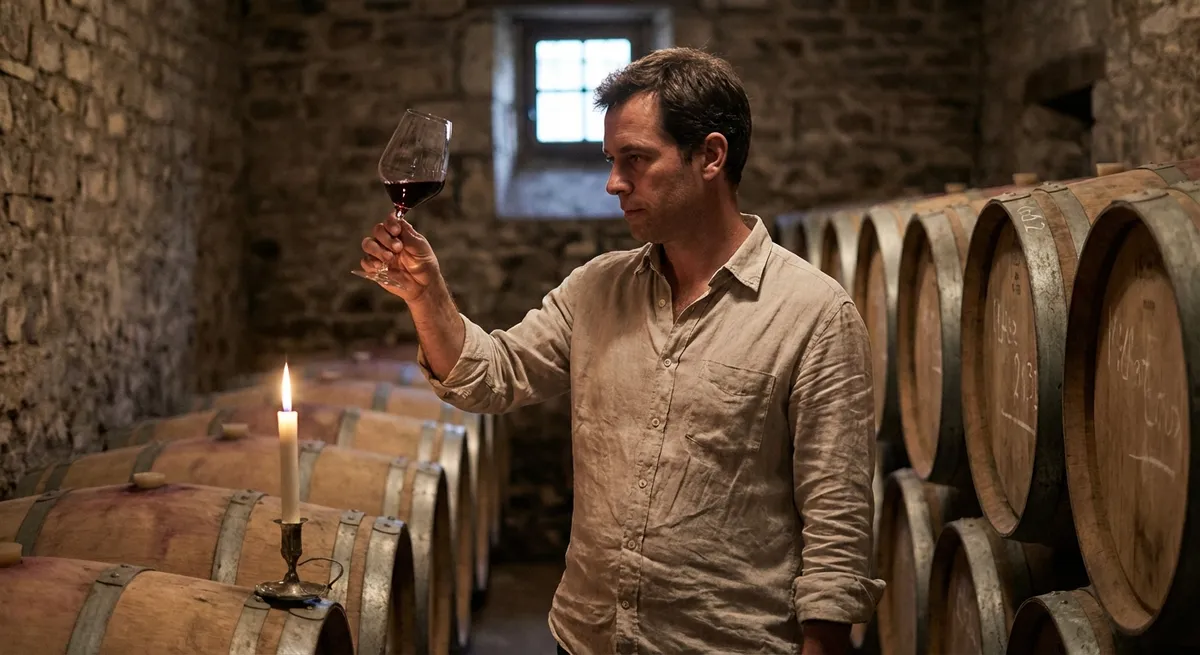
In the cellar, premium wineries are rarely about spectacle. Stainless steel may gleam alongside old concrete tanks and neutral barrels; what matters most is harmony between technique and intent. Fermentations are monitored obsessively yet guided gently—temperature control is used not to dominate nature, but to preserve nuance and aromatic integrity.
Oak is one of the clearest markers of a winery’s philosophy. At the highest level, oak is not a flavor to be layered on top, but an architectural element: shaping texture, oxygen exchange, and evolution. You’ll find an intricate barrel program—different formats (barriques, puncheons, foudres), varied grain tightness, and a thoughtful ratio of new to seasoned wood. Some cuvées may avoid oak entirely to preserve purity; others rely on large, neutral vessels to refine rather than embellish.
Extended lees contact, meticulous racking, and long élevage (time between fermentation and bottling) all contribute to complexity and longevity. The best cellars embrace patience. Wines are often held significantly longer before release, allowing primary exuberance to settle and structural elements to knit. When you taste from barrel or older vintages, you sense a through-line: precision, restraint, and a refusal to rush.
Five Exclusive Insights for the Attentive Wine Enthusiast
Discerning visitors to premium wineries quickly realize that the most revealing cues are rarely the obvious ones. Beyond labels, accolades, or architectural drama, these five insights can subtly recalibrate how you experience your next high-level tasting.
1. The Most Important Question Isn’t About the Wine
Instead of asking, “Which wine is your best?” ask:
“Which parcel or block is the most challenging for you—and why?”
This question invites the winemaker into a candid conversation about their ongoing struggles, not just their triumphs. Challenging sites often produce some of the most captivating wines, but only with relentless attention and humility. How they speak about these parcels—climate pressures, ripening curves, disease pressure, soil limitations—reveals more about their philosophy than any scripted explanation of a flagship cuvée. A premium estate will often light up when discussing the vineyard that refuses to be fully tamed.
2. Follow the Glassware and Serving Rituals
Premium wineries understand that glassware, temperature, and pacing profoundly shape a wine’s expression. Observe the stemware: is it chosen generically, or matched carefully to the styles poured? A top-tier property may use different bowl shapes for aromatic whites versus structured reds, and serve library vintages in slightly larger, more aerated glasses to ease their evolution in the glass.
Temperature control is another quiet hallmark. Whites served too cold or reds too warm can indicate a more casual approach. In refined settings, you’ll notice wines arriving just a touch cool, designed to unfold gracefully as you taste. Coravin or similar preservation systems may be used for rare bottles, allowing the estate to share older vintages by the glass without compromising the remainder. This choreography of service is less about theater and more about an unspoken respect for what is in the bottle.
3. Watch What They Open That Isn’t For Sale
One of the clearest signals of a premium winery’s confidence is what they pour from the “family stash.” Occasionally, a host or winemaker will open a bottle that is not on the current release list: a back vintage, a limited parcel, or an experimental cuvée never commercialized. These are the wines they live with, study, and measure themselves against.
Pay attention to the vintages they choose. Poured older wines from difficult years—rather than only from universally praised harvests—demonstrate a belief in their terroir’s resilience. When an estate willingly shows how their wines age through varied conditions, they are inviting you to judge them on durability and complexity, not just youthful charm. This act of sharing is, in many ways, the most intimate gesture a winery can offer a serious guest.
4. The Quiet Power of Their “Entry-Level” Wine
A sophisticated way to evaluate a premium winery is to focus not on its flagship, but on its most accessible bottling. Often called the “village,” “estate,” or “classic” cuvée, this wine compresses the estate’s philosophy into its purest, most democratic form. Grapes may come from younger vines or broader parcels, but the same principles of farming and vinification should apply.
In elite cellars, this so‑called entry-level wine is not an afterthought. It is frequently the house’s calling card in restaurants worldwide, the first encounter many will have with the estate. Assess its balance, length, and character: does it clearly echo the personality of the grander bottlings? If the most modest wine is precise, expressive, and age-worthy, you are likely in the hands of a truly serious producer.
5. Hospitality as a Reflection of House Philosophy
At premium wineries, hospitality is not an overlay; it is a mirror of the estate’s values. The tone of your visit—measured, attentive, unobtrusive—often parallels how they treat their vines and wines. A thoughtful welcome, precise timing between pours, and the ability to adjust the level of technical detail to your curiosity are all hallmarks of a mature, confident operation.
Notice whether staff encourage questions and follow your pace, rather than pushing a scripted experience. Are they candid about vintages that were more challenging? Do they openly discuss changes they’ve made in farming or vinification as they’ve learned more about their site? This transparency indicates a living, evolving estate—one that sees you less as a tourist and more as a potential long-term ambassador.
Composing Your Own Premium Winery Journey
Designing a visit to premium wineries is less about chasing reputation and more about curating conversations. Seek out estates where viticulture, cellar craft, and hospitality feel aligned—where nothing is excessively performed, yet everything appears carefully considered. Give yourself the luxury of time: one or two profound visits in a day will leave a stronger impression than a whirlwind of hurried tastings.
As you explore, keep a discreet notebook or digital journal. Record not only tasting notes, but details about soils, exposures, and the choices that led to the wine in your glass. Over time, patterns will emerge: certain approaches to canopy management, élevage, or blending that consistently resonate with your palate. In this way, each premium winery you visit becomes both a destination and a lesson—a chapter in your ongoing education as a taster.
Ultimately, the world of premium wineries is less about ostentation and more about precision, patience, and coherence. When you learn to read the subtle cues—the vineyard decisions, the cellar choices, the humble admissions of difficulty—you begin to move beyond labels and accolades. You’re no longer simply tasting wine; you’re entering into a shared, generational project to capture a place in liquid form, one measured, contemplative glass at a time.
Conclusion
The finest wineries do not just make enviable bottles; they create complete ecosystems of excellence. From meticulously tended vines to quietly disciplined cellars and gracious, intelligent hospitality, every gesture is tuned toward one purpose: to express a singular piece of earth with clarity and grace.
Approach these estates with curiosity rather than checklist urgency. Ask deeper questions, linger over the so‑called simple wines, observe the rituals around service, and notice what is poured when no one is watching the clock. In doing so, you step beyond tourism and into a more enduring relationship with the places and people behind the labels that truly matter.
Sources
- Napa Valley Vintners – What Makes a Winery “Premium”? – Industry perspective on quality factors in high-end wine production
- Wine Institute – Sustainable Winegrowing Practices – Overview of sustainability standards and practices in vineyards and wineries
- UC Davis Department of Viticulture & Enology – Research-based insights into vineyard management, winemaking, and wine quality
- Decanter – The Art of Elevage – In-depth discussion of élevage and how it shapes premium wine character
- GuildSomm – Understanding Terroir – Technical exploration of terroir and its expression in fine wine
Key Takeaway
The most important thing to remember from this article is that this information can change how you think about Premium Wineries.