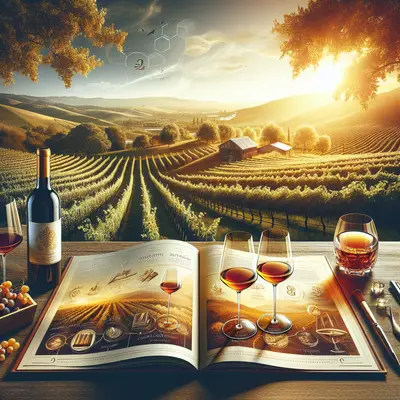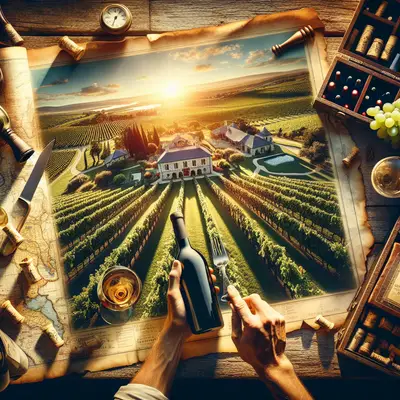
There is a particular stillness that surrounds truly great wineries—a sense that every stone, barrel, and beam has been placed with intent. Premium wineries are not merely places where wine is made; they are cultural institutions, guardians of land and time. For travelers who seek more than a tasting flight, these estates offer encounters with craftsmanship, heritage, and understated luxury. This is where wine becomes less a beverage and more a lens through which to experience architecture, landscape, and hospitality at their most considered.
Where Architecture Becomes a Silent Host
At the pinnacle of wine, architecture is not a backdrop; it is part of the experience. Premium wineries often treat their estates as living works of design, where the structure itself guides mood, expectation, and even the way wine is perceived.
Many of the world’s most acclaimed wineries commission celebrated architects to shape their spaces—think gravity-flow cellars tucked into hillside contours, tasting rooms suspended above vineyards, or barrel halls that resemble contemporary art installations. These choices are rarely about spectacle alone. Stone thickness, ceiling height, and orientation to light can influence temperature stability and humidity, which in turn affect barrel aging and bottle evolution.
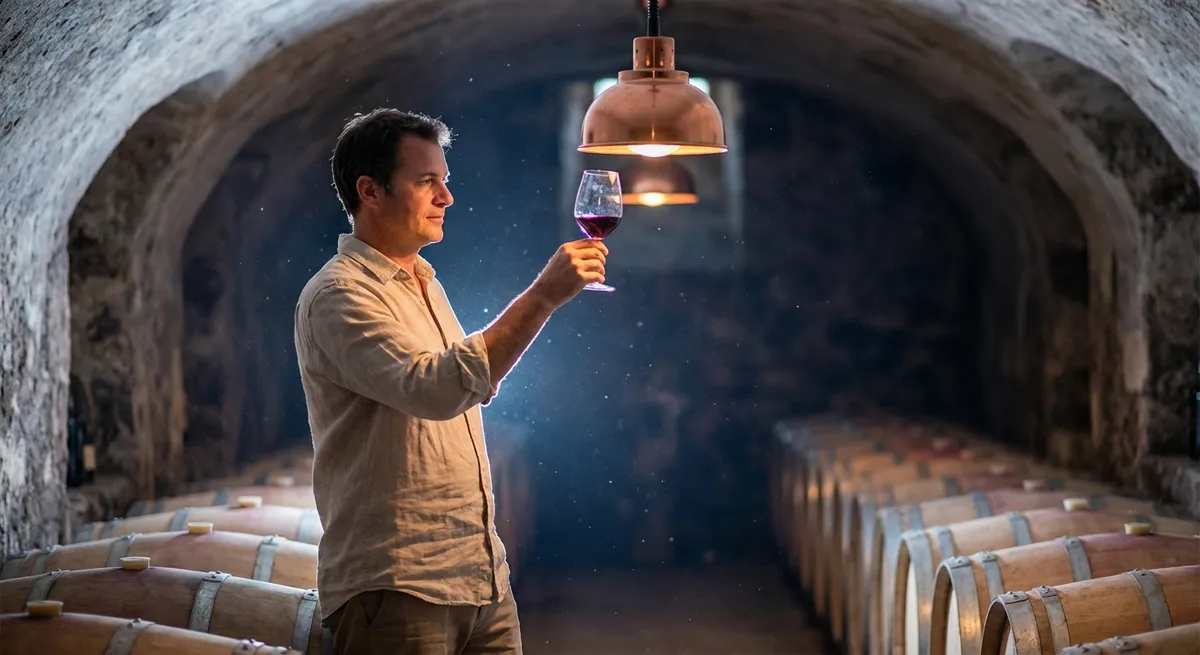
For guests, the effect is subtle but powerful. A tasting in a vaulted, dimly lit cellar draws attention to nuance and texture. A panoramic glass pavilion overlooking steep slopes frames the wine within its landscape. At the most refined properties, the architecture serves as a silent host, orchestrating an atmosphere in which every sip feels intentional rather than incidental.
The Vineyard as Atelier: Precision Farming at the Top
In premium estates, the vineyard is treated as an atelier rather than a field. The ethos is not “how much can we grow?” but “how precisely can we understand this place?” This is where the language of terroir transforms from marketing phrase to lived philosophy.
Soil pits are excavated not for show, but for study: layers of limestone, clay, schist, or volcanic rock are mapped vine by vine. Top estates may track micro-parcels with GPS, monitor canopy density by satellite imagery, and adjust canopy management row by row. Older vines—often with significantly reduced yields—are cherished for their ability to convey depth, tension, and character, even at the cost of volume.
For guests, the most rewarding visits are those where this meticulousness is shared: walking the rows with a viticulturist who can explain why one parcel is picked at dawn and its neighbor at dusk; tasting two wines from adjacent blocks that reveal how a slight shift in elevation or soil texture can alter aromatics and structure. This intimacy with place is one of the defining signatures of a truly premium winery.
Five Exclusive Insights Discerning Enthusiasts Notice
Beyond polished service and impressive cellars, there are quieter markers that distinguish exceptional wineries. Enthusiasts who pay attention to detail will recognize these subtle indications of genuine excellence:
Intentional Barrel Silence
In elite cellars, you’ll often find an absence of sensory clutter: no intrusive music, minimal fragrances, and soft, indirect lighting. This is by design. Premium estates aim to eliminate anything that could distract from the wine’s aromatic profile. Even the choice of wood in barrel racks (and its treatment) is carefully considered to prevent overlapping aromas or volatile compounds.
Multiple Glass Shapes for a Single Tasting
At prestige-level tastings, you may be offered different glassware for wines from the same producer. This is not theatrics; it’s a study in precision. A structured Cabernet might be poured into a larger-bowled glass to soften tannins, while a mineral-driven white is served in a narrower shape to preserve tension and focus. Tasting the same wine in two glasses can reveal texture, spice, and floral notes you might otherwise miss.
Library Bottles Used as Reference, Not Decoration
In the finest wineries, older vintages are not just displayed; they are regularly opened internally as benchmarks. Winemakers taste library bottles to calibrate blending decisions, picking dates, and oak regimes, asking: “Will this vintage carry our identity in 10, 20, 30 years?” Guests fortunate enough to share in such comparative tastings gain a rare glimpse into the estate’s long-term vision rather than a simple vertical of years.
Quiet Integration of Sustainability, Not Grandstanding
At top estates, sustainability initiatives—solar arrays, water recycling, native cover crops, biodiversity corridors—often operate quietly in the background. The focus is on genuine environmental stewardship that enhances grape quality: healthier soils, balanced vine vigor, and resilience to climate stress. When sustainability is woven into the narrative of place rather than used as a marketing headline, it’s a strong sign of depth and seriousness.
A Tasting Pace That Honors the Wine’s Arc
Spectacular wineries curate time as carefully as they curate pours. Tastings are structured to allow each wine to open in the glass: whites might be served slightly cooler than ideal, then left to evolve while you explore reds; decanters arrive early for age-worthy bottles; staff encourage revisiting earlier pours rather than hustling you onward. This choreography respects the wine’s natural arc—aromas unfolding, textures softening—and positions the experience closer to a private salon than a bar.
The Art of Service: Hospitality as an Extension of the Cellar
At premium wineries, hospitality is not performance; it is continuity. The same rigor that governs fermentations and barrel selection extends to how guests are welcomed, guided, and remembered. Many elite estates view each visit as an opportunity to create a private narrative between the winery and the traveler.
Staff are often wine professionals in their own right—sommeliers, former restaurant buyers, or individuals with formal viticulture or enology training. They speak fluently about élevage, vineyard exposures, and cellar philosophies without resorting to jargon or condescension. Instead of reciting a script, they adapt the conversation to each guest’s curiosity level, whether that means discussing phenolic ripeness and whole-cluster fermentation or focusing on food pairing, texture, and mood.
Personalization is subtle. Your preferences—gravitation toward fresher styles, affinity for old-world structure, interest in specific regions—are quietly noted and reflected in the selection of wines poured. Over time, returning guests may be invited to more intimate spaces: a library room, a quiet terrace, or a cellar alcove reserved for longer, more contemplative tastings. The feeling is not of being sold to, but of being gradually invited deeper into the winery’s inner circle.
The Long View: Collectability, Provenance, and Legacy
What ultimately distinguishes premium wineries is their relationship with time. Beyond producing excellent bottles today, they are consciously building a legacy—one that will be judged by how their wines age and how their identity endures through vintages and generations.
Here, provenance is paramount. Meticulous record-keeping of harvest conditions, cellar practices, and bottling details ensures traceability for collectors and trade professionals. Ideal storage conditions on-site allow the estate to release older vintages at peak maturity, offering guests an opportunity to experience wines as their creators envisioned them, rather than as speculative investments.
Many of these estates maintain close relationships with top restaurants and cellars worldwide, ensuring their wines are served in environments that mirror their own standards of care. For the visitor, glimpsing this ecosystem—seeing a label on a three-star restaurant’s list, then encountering its birthplace in person—creates a powerful sense of continuity.
For those who collect, the most meaningful acquisitions are not just rare bottles, but wines whose stories they have experienced firsthand: the row of vines they walked, the fermenter they saw bubbling, the barrel hall whose serenity they remember every time the cork is pulled years later.
Conclusion
Premium wineries offer a form of travel that transcends tourism. They invite you into a dialogue between land, architecture, craft, and time—where hospitality is as finely tuned as the wines themselves. For the discerning enthusiast, the true luxury lies not only in the scarcity of the bottles or the exclusivity of the appointments, but in the layered understanding that emerges: how a hillside becomes a glass of wine, how a cellar transforms seasons into decades, and how a single visit can shift the way you experience every future pour.
For those who seek refinement not as spectacle but as depth, these estates are less a destination and more a quiet passage into the most considered expressions of wine culture.
Sources
- Wine Institute – Sustainable Winegrowing Overview - Provides background on sustainability practices adopted by leading wineries in California and beyond.
- Harvard T.H. Chan School of Public Health – The Nutrition Source: Alcohol - Offers research-based context on wine and alcohol consumption, useful for understanding moderation within premium experiences.
- Napa Valley Vintners – Gravity Flow Wineries - Explains gravity-flow winery design and its role in gentle, quality-focused winemaking.
- University of California, Davis – Viticulture and Enology Department - A leading academic resource on vineyard management, winemaking science, and cellar practices referenced in discussions of precision viticulture.
- Decanter – Fine Wine and Collecting - Covers topics related to collectability, provenance, and the aging potential of fine wines from top estates.
Key Takeaway
The most important thing to remember from this article is that this information can change how you think about Premium Wineries.