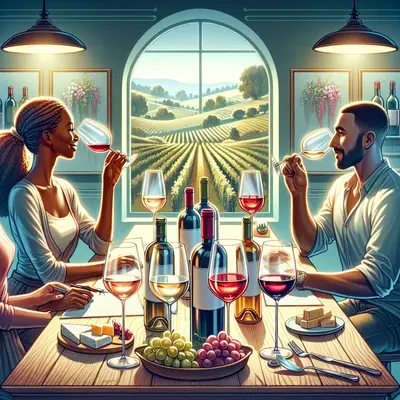
There is a moment in every serious wine lover’s journey when tasting ceases to be consumption and becomes inquiry—an elegant, private dialogue between palate, place, and time. Wine Tour Adventures exists in that space. This is not about swirling for show or reciting tasting notes by rote; it is about attuning the senses so precisely that each glass reveals something rare, specific, and unforgettable.
Below, you’ll find five exclusive insights designed for those who wish to taste with intention, travel with discernment, and cultivate a quietly confident understanding of wine.
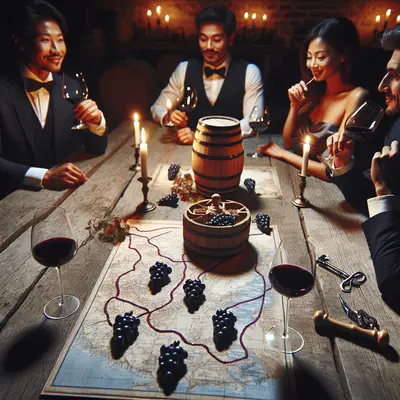
Tasting as Cartography: Reading Structure Like a Landscape
A truly refined tasting moves beyond fruit descriptors and begins with architecture. Structure—acid, tannin, alcohol, body, and texture—is the map that reveals where a wine has been and how it was made.
Instead of starting with “what does this taste like?”, start with “how is this built?” Notice the line of acidity first: does it feel like a fine thread of citrus running through the wine, or a broad, cooling sweep? Then attend to tannin—not just how strong, but how it behaves. Is it powdery and vertical, like chalk on the gums? Silky and horizontal, gliding along the tongue? Grain size and placement can tell you as much as grape variety.
Alcohol offers a quiet clue as well. A gentle internal warmth in the chest hints at ripeness and climate; a conspicuous burn suggests imbalance. Body, meanwhile, is not about heaviness but presence: some wines feel like satin, others like polished stone. When you train yourself to see wine as a landscape of sensations—peaks of acidity, valleys of fruit weight, the scaffolding of tannin—you begin to distinguish well-made wines from merely pleasant ones, regardless of label or reputation.
The Chronology in the Glass: Timing Your Perception
Most tasters think of a wine’s “finish,” but few consciously explore its chronology—the way a wine evolves from the first impression to its final echo. Paying attention to time, not just flavor, is one of the most sophisticated shifts an enthusiast can make.
Consider a sip as a sequence. The attack: the first one to two seconds on the tongue. Here, you register brightness, initial fruit notes, and the immediate presence of alcohol. The mid-palate: where texture and complexity assert themselves. This is where well-crafted wines often reveal spice, earth, or subtle savory tones. Finally, the finish: count the seconds after swallowing or spitting. How long do distinct flavors remain clear and defined? Ten seconds is respectable. Twenty or more, with evolving nuance, is the mark of exceptional quality.
Advanced tasters also note whether acidity or tannin dominates early or late in the sequence. A wine that begins generous but finishes abruptly may be charming but shallow. One that gathers intensity as it lingers—revealing mineral notes, delicate herbs, or a refined bitterness—is often more ageworthy and gastronomic. By treating each sip as a timed performance rather than a static impression, you sharpen your judgment and uncover wines that truly merit your cellar space.
Texture as a Signature: Learning to Taste Beyond Flavor
Texture is often where great wines quietly separate themselves from the merely good. While flavor is what most casual drinkers notice first, texture is what connoisseurs remember.
Focus on mouthfeel in precise terms. Is the wine glassy and linear, gliding effortlessly from front to back? Or is it layered and three-dimensional, with distinct sensations on tongue, cheeks, and gums? In white wines, pay attention to whether the texture feels crystalline, waxy, or gently creamy. Crystalline textures often suggest higher acidity and minimal oak; waxy or lanolin-like impressions can hint at certain varieties (such as Chenin Blanc) or lees contact.
In red wines, examine the choreography of tannin and fruit. Do tannins feel like fine cocoa powder, or more like brushed suede? Are they interlaced with fruit, or standing apart, as if added after the fact? Wines where structure and flavor are seamlessly integrated—where texture feels inherent, not imposed—are often those crafted with meticulous vineyard work and restrained intervention.
Once you start cataloging wines by texture in your mind—“this has the cool, taut feel of polished marble,” “that one drapes like silk”—your tasting vocabulary becomes intuitively visual, and your ability to recall and compare wines becomes significantly more refined.
Calibrated Context: Designing Tastings That Reveal, Not Confuse
Enthusiasts often assemble grand mixed flights—different regions, grapes, and styles—only to find the experience overwhelming and imprecise. The most revealing tastings are not the most varied; they are the most deliberately constrained.
Curate comparative flights built around a single, meaningful variable. For example, taste the same grape variety from three distinct climates: a cool coastal terroir, a moderate inland site, and a warmer, sun-drenched appellation. Observe how acidity, alcohol, and aromatic profile shift across the glasses. Alternatively, explore one region but different elevages: stainless steel vs. neutral oak vs. new oak. You’ll quickly learn to distinguish the imprint of winemaking from the signature of place.
Single-vineyard comparisons from the same producer are particularly illuminating when you travel. A dedicated tasting like this reveals, side by side, how soil type, slope, and exposure—sometimes mere meters apart—alter the expression of the same grape and vintage. It is in these thoughtfully calibrated tastings that the concept of terroir ceases to be theoretical and becomes tasteable reality.
By designing your own “micro-studies” rather than chasing spectacle, you transform every tasting room visit into a focused lesson—and every bottle into data that quietly refines your palate over time.
The Discipline of Silence: Elevating Sensory Focus on Tour
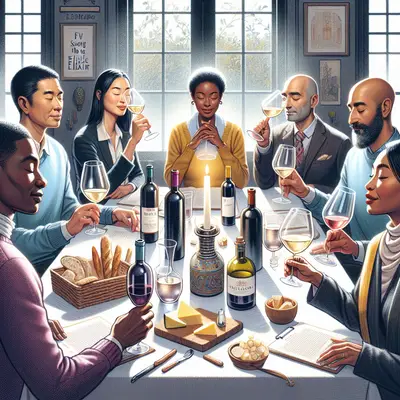
The most memorable tasting experiences often unfold in environments of deliberate, considered quiet. On wine tours, conversation naturally flows—stories from the road, impressions of the scenery, exchanges with the winemaker. Yet the most serious enthusiasts cultivate brief intervals of intentional silence to anchor their perceptions.
When the wine is poured, take thirty seconds before speaking. Inhale, not once but twice—the first for an overall impression, the second to search for secondary notes: dried herbs, wet stone, savory tones. Take a measured sip and resist the urge to comment immediately. Notice what emerges, what recedes, what changes as air and warmth interact with the wine in your glass.
This small ritual of quiet attention changes the tenor of the entire visit. Hosts recognize a different level of engagement and often respond in kind—with more detailed explanations of vineyard practices, candid discussions of vintages, and access to limited or library wines that are rarely poured for casual visitors.
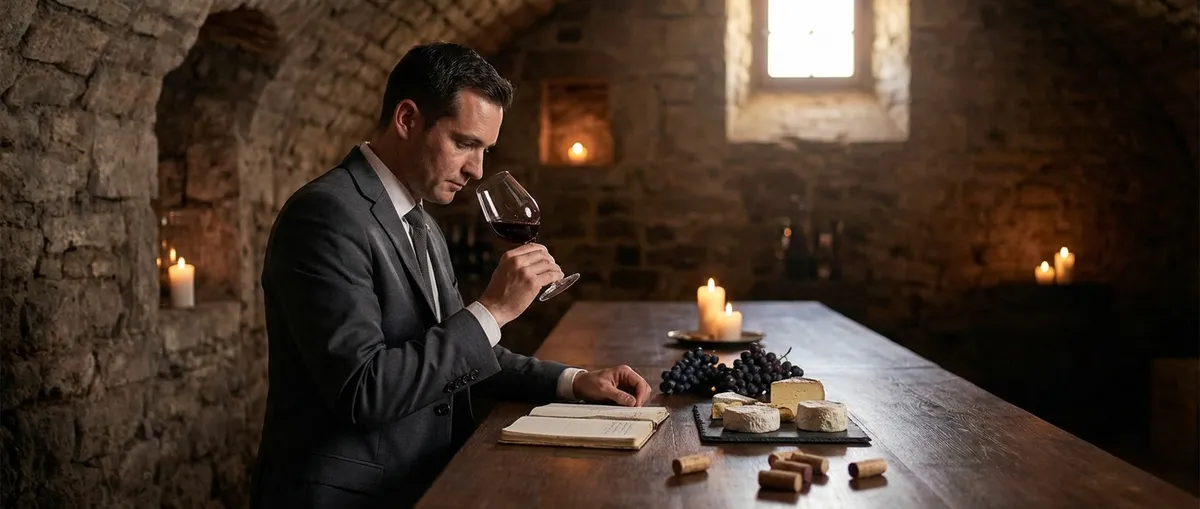
On tour, consider designating one tasting per day as your “study tasting”—fewer wines, more time, less conversation, and meticulous note-taking. Capture not just flavors, but feelings: tension, breadth, energy, poise. This disciplined stillness, repeated across regions and years, refines your sensory memory and transforms your travels from pleasant escapades into a coherent, evolving education.
Conclusion
To taste wine at a higher level is not to chase ever rarer labels, but to cultivate a more exacting, more serene form of attention. When you read structure as landscape, track the chronology of each sip, prize texture as a signature, design focused comparative tastings, and embrace moments of deliberate silence, every glass becomes more articulate.
Wine Tour Adventures is dedicated to shaping journeys where this kind of tasting is not an exception, but the quietly luxurious norm—where each visit, vineyard, and vintage deepens your understanding, and where the pleasure in the glass is matched by the thought behind it.
Sources
- UC Davis Department of Viticulture and Enology - Technical and educational resources on wine structure, mouthfeel, and sensory evaluation from a leading wine research institution.
- Wine & Spirit Education Trust (WSET) – Systematic Approach to Tasting - Outlines a professional framework for assessing wine, including structure, finish, and quality indicators.
- Cornell University – Wine Flavor Chemistry - Explores the scientific underpinnings of aroma, flavor, and texture in wine.
- GuildSomm – Understanding Tannin and Texture - In-depth discussion of tannin, structure, and mouthfeel from a professional sommelier perspective.
- Decanter – How to Taste Wine Like a Professional - Practical guidance on advanced tasting techniques, finish, and quality assessment.
Key Takeaway
The most important thing to remember from this article is that this information can change how you think about Wine Tasting.