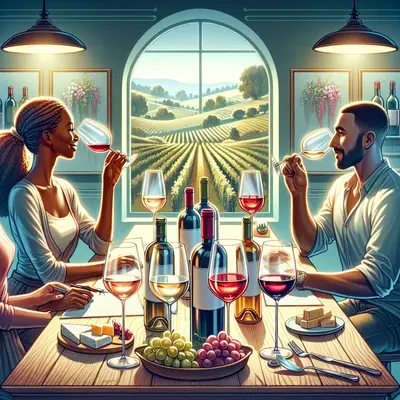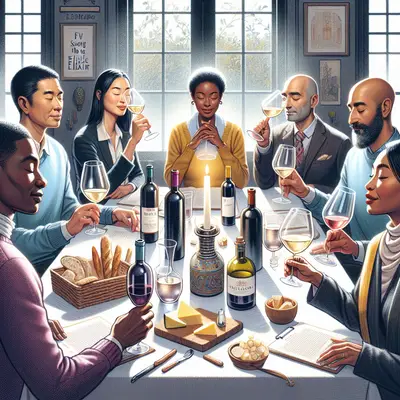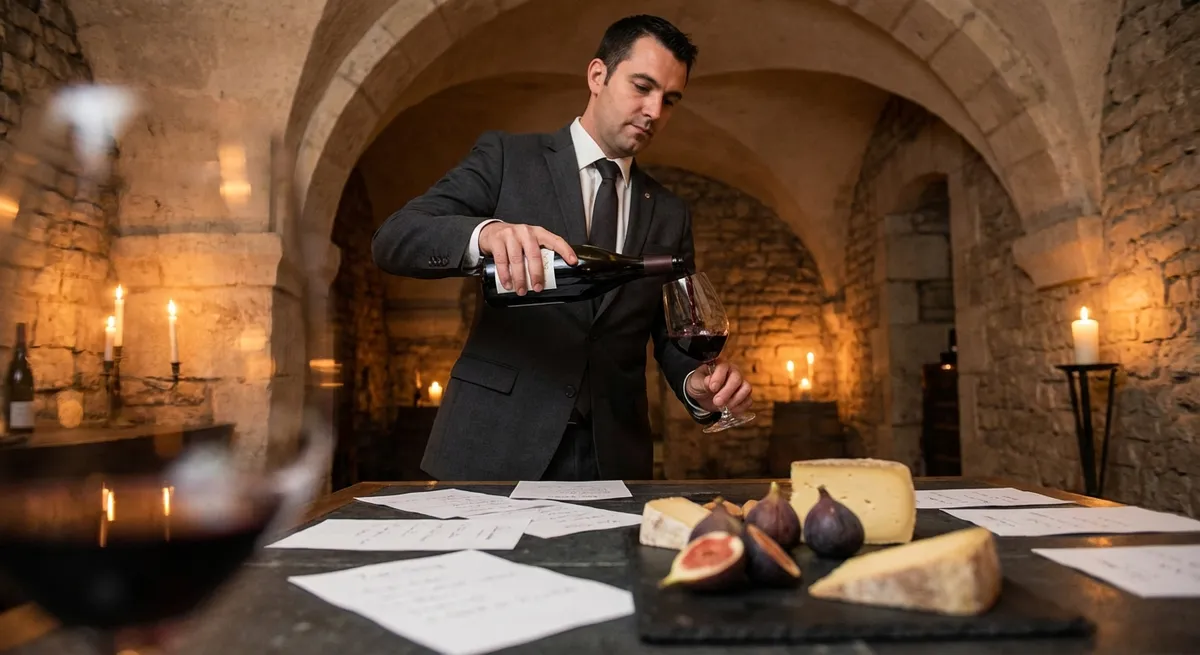
There is a moment—often missed—between pouring and sipping when a truly great tasting reveals itself. Not in the glass alone, but in the choreography of light, time, temperature, and attention. For discerning wine enthusiasts, the pleasure lies not only in what is tasted, but how it is orchestrated. This is where an ordinary tasting becomes an elegant ritual, and where quiet, exclusive details distinguish a memorable experience from a merely pleasant one.
Crafting the Atmosphere: Light, Space, and Sound
Before a single glass is poured, the room has already begun to shape your palate. Natural light is an understated luxury in a tasting environment: it reveals precise color and clarity, particularly important when comparing vintages or observing the evolution of an older wine. Soft, indirect daylight allows you to appreciate gradations—from the faint lemon core of a young Riesling to the brick-orange rim of a mature Nebbiolo—without the distortion of harsh artificial lighting.
Acoustics are equally critical. A thoughtfully designed tasting space absorbs excess noise, allowing muted conversation and quiet concentration. Subtle, low-volume soundscapes—never intrusive background music—help maintain a relaxed but attentive mood. Seating, too, should encourage alert posture rather than languid lounging; you are there to sense, not to slumber. The best wineries understand that atmosphere is not decoration, but an instrument: tuned correctly, it heightens your sensitivity to aroma, texture, and nuance while allowing the wines to speak without competition.
Exclusive Insight #1: The “First Pour” as a Calibration, Not a Verdict
Sophisticated tasters treat the first pour of a flight as a calibration point rather than a definitive judgment. The first wine sets the sensory baseline: acidity, tannin, sweetness, and body all establish where the rest of the tasting will live. This is why starting with a powerful, high-alcohol red can flatten your perception of subtler wines that follow, while beginning with a bright, crystalline white gently awakens the palate.
Elevated tasting experiences often use the opening wine as a deliberate “tuning note.” A young, high-acid white or a precise traditional-method sparkling wine can sharpen aromatic perception and cleanse any lingering flavors. Rather than scoring or dissecting this first glass immediately, the refined taster simply observes: How does the wine’s acidity register? Is the texture angular or rounded? How does the finish behave? This quiet assessment becomes the invisible reference point by which all subsequent wines are measured, allowing for a more coherent and nuanced experience across the flight.
Exclusive Insight #2: Temperature as a Sculptor of Texture
Most enthusiasts know broad serving temperature rules—whites cooler, reds warmer—but truly premium tastings treat temperature as a sculpting tool, not a fixed guideline. A fine white Burgundy served a few degrees warmer than standard reveals layered aromas of hazelnut, cream, and flint that would remain muted if it were too cold. Conversely, a structured young Cabernet, slightly cooler than expected, can present more defined fruit and firmer tannins, making its architecture easier to read.
High-caliber tasting rooms often stage their wines in temperature “zones,” bringing them to the table just shy of their ideal point. Over the course of 15–20 minutes in the glass, the wine slowly warms, unfurling in stages. The attentive taster returns to the same glass multiple times, noting how texture softens, aromatics expand, and tertiary notes emerge with each subtle degree of change. This is where temperature becomes less about correctness and more about narrative—revealing the wine’s story chapter by chapter rather than all at once.
Exclusive Insight #3: The Progression of Structure, Not Just Color or Grape
While many tastings are organized from white to red, dry to sweet, a more elevated approach arranges wines by structure. Acidity, tannin, body, and aromatic intensity form the invisible spine of a well-composed flight. This is why an ethereal, high-acid cool-climate Pinot Noir can comfortably follow a textured, barrel-aged white, while a dense, tannic red would overpower a delicate, low-acid wine served after it.
Thoughtful progression might move from linear, high-acid wines to those with broader mid-palates, then to structured, tannic reds, and finally to off-dry or sweet wines with balancing acidity. Within each category, variations in oak regime, extraction, or age can be layered to demonstrate contrast and evolution without fatiguing the senses. The seasoned enthusiast appreciates when a tasting feels like a curated journey—each wine both self-contained and contextually enhanced by the one that came before and the one that follows.
Exclusive Insight #4: The Elegance of the Pause Between Sips
In refined tastings, what you don’t do is as important as what you do. Rushing from wine to wine compresses the experience, smearing flavors together into a single indistinct impression. A curated pause—10 to 20 seconds of stillness between sips—allows the finish to fully play out, revealing the wine’s true length, complexity, and balance.
These interludes are where the most subtle information appears: a late-emerging note of saline minerality, a final lift of citrus or herb, or a gentle resurgence of spice. Quiet conversation or a brief return to neutral topics can coexist with these pauses, but the emphasis is on leaving room for the wine to complete its performance. Elite tasting rooms often build these silences into the service rhythm, pouring modestly, stepping back, and allowing guests a private interval with each wine before commentary resumes. The experienced taster comes to value these spaces as the essential counterpart to the sip itself.
Exclusive Insight #5: Contextual Pairings Beyond Food
Wine and food pairings are a classic pleasure, but sophisticated tastings also consider contextual pairings—objects, aromas, and even textures that frame perception without ever touching the glass. A slate or marble tasting surface, for example, subtly echoes the mineral-driven characteristics of certain whites, reinforcing what the palate perceives. Fine stemware designed for specific styles (such as tulip-shaped glasses for aromatic whites or larger bowls for structured reds) can dramatically alter how aromas concentrate and how wine flows across the tongue.
Some elevated experiences introduce restrained, neutral accompaniments—filtered water at a controlled temperature, unsalted crackers with minimal flavor interference, or a small piece of plain, high-quality bread—to reset the palate between wines without adding distracting aromas. In more advanced settings, the ambient scent is intentionally neutral; candles or perfumed diffusers are notably absent to preserve aromatic clarity. The refined enthusiast notices how these unobtrusive elements create a backdrop in which every nuance in the glass becomes easier to discern.
Conclusion
A truly exceptional wine tasting is rarely about spectacle; it is about precision, intention, and quiet luxury. From the calibration of that first pour to the unhurried pauses between sips, every detail contributes to an experience where the wines are not merely consumed, but understood. For those who seek more than casual enjoyment—for those who relish pattern, nuance, and structure—these exclusive insights transform tasting into an art form. In the right setting, with the right progression and a considered sense of restraint, each glass becomes not just a beverage, but a meticulously crafted moment.
Sources
- University of California, Davis – Wine Flavor 101 - Academic overview of wine flavor components, structure, and sensory perception
- Court of Master Sommeliers – Deductive Tasting Method - Professional framework for structured wine tasting and evaluation
- GuildSomm – Serving Temperature - In-depth discussion of how serving temperature shapes aroma, texture, and overall wine experience
- Wine Institute – Wine Basics - Authoritative guide on wine service, tasting fundamentals, and responsible enjoyment
- American Chemical Society – The Chemistry of Wine - Scientific exploration of compounds that influence wine aroma, flavor, and aging
Key Takeaway
The most important thing to remember from this article is that this information can change how you think about Wine Tasting.