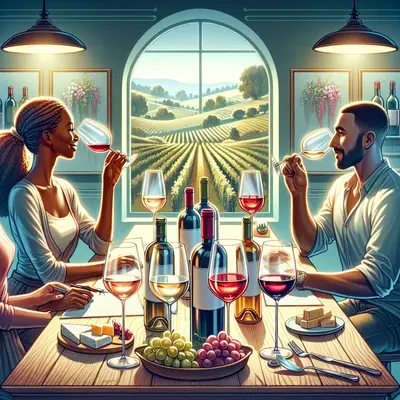
Wine tasting, at its most refined, is less an activity and more a quiet ritual—an orchestration of sight, scent, sound, and time. The great pleasure is not simply in discovering a new favorite bottle, but in learning to read the nuances that others rush past: the faint echo of a cool morning in the vineyard, the trace of cedar from a well-made barrel, the way a wine pauses on the palate before unfurling.
For the discerning traveler, a tasting becomes an elegant act of attention. It’s the difference between “liking” a wine and understanding it—between a pleasant afternoon and an experience that lingers, like a final, whispered finish, long after the last glass is set down.
Reading the Glass: How Color and Texture Reveal the Story
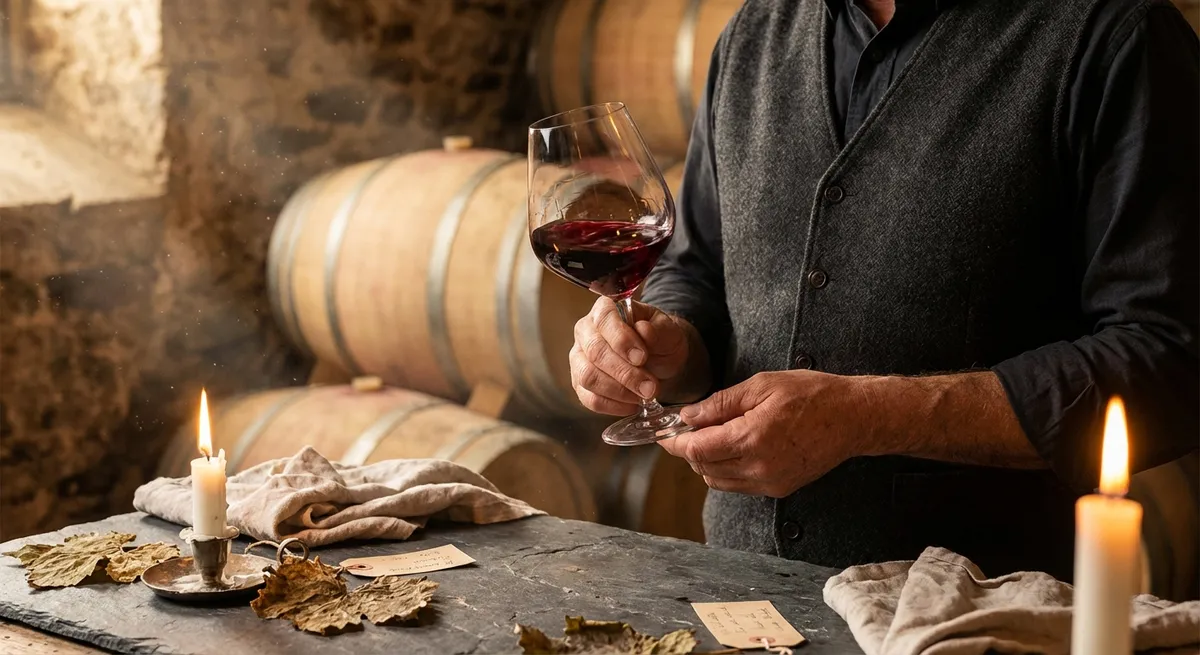
Before the first sip, a wine has already begun to speak. Holding the glass over a white surface, note the hue at the core and the rim. A youthful Cabernet might show a deep garnet center with a vibrant ruby edge, while an older Bordeaux blend may fade to brick or terracotta at the rim, hinting at its time in bottle. Whites shift from pale straw to deep gold as they develop, the color often whispering of ripeness, oak, or age.
Texture can be seen as well as felt. Swirl the glass slowly and observe the “legs” or “tears” that form along the bowl. They do not indicate quality, but they do suggest alcohol and glycerol content, giving you an early clue to the wine’s weight on the palate. A slender, fast-moving sheet can mean a lighter-bodied white from a cooler climate; thicker, slower droplets might foreshadow a rich, concentrated wine. This minute of observation allows you to anticipate the experience—much as you might savor the silence in a concert hall before the orchestra begins.
The Architecture of Aroma: Building a Scent Memory
Aromas are more than fruit and flowers; they are architecture. Thoughtful tasters build a “scent library” over years, teaching their memory to capture and recall detail. Instead of simply thinking “berries,” focus on whether the nose leans toward wild blackberries, crushed raspberries, or the glossy sweetness of blackcurrant pastilles. Is the citrus note closer to Amalfi lemon zest, grapefruit pith, or candied orange peel?
Secondary and tertiary aromas tell a further chapter of the story. Gentle vanilla, toasted almond, or sweet spice can point to fine-grained oak; notes of brioche or pastry cream hint at lees aging in Champagne or quality sparkling wines. With age, wines develop seductive layers—dried rose petals, cigar box, forest floor, truffle, leather. Pausing to name these elements trains the palate and enriches the experience, turning each glass into an exercise in elegant precision rather than vague impressions.
Mastering the Pace: The Luxury of a Slower Tasting
True premium tasting is never hurried. The most memorable sessions feel unhurried even when appointments are tightly orchestrated; they allow each wine sufficient time in the glass to stretch and reveal itself. Instead of moving briskly from pour to pour, allow air to become an ally. Notice the first impression on the nose and then return a few minutes later. A shy, tightly wound wine can soften into generosity; a seemingly simple white can reveal layers of mineral and spice as it warms slightly.
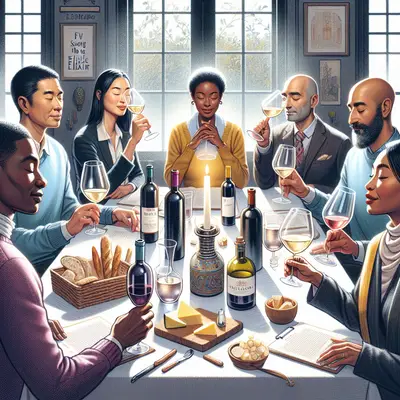
Thoughtful pacing transforms a flight from a quick survey into a composed narrative. Start with more delicate wines—perhaps a mineral-driven white or a restrained sparkling—then move gradually to richer whites, elegant reds, and finally the most structured or opulent bottles. Rinsing the palate with cool still water and perhaps nibbling on neutral crackers or small bites allows each wine to stand apart rather than blurring into the next. This deliberate tempo is its own quiet luxury, a subtle refusal to rush what deserves attention.
Tasting With Intention: Asking the Questions That Elevate the Experience
The most refined tastings are conversations, not monologues. Knowledgeable hosts often respond to the level of curiosity in front of them, and the right questions can unlock a more nuanced, insider experience. Instead of asking only about grape varieties, inquire about picking dates and parcel selection: Were the grapes from a cooler slope or a sun-drenched terrace? Did the team wait for full phenolic ripeness, or was the goal to preserve tension and freshness?
Ask about élevage—the wine’s “upbringing” in barrel, tank, or amphora. How long did it rest on its lees? Were larger neutral barrels used to preserve purity, or smaller new barrels to sculpt texture and flavor? When you taste a single-vineyard bottling, probe how the site differs from neighboring plots in soil composition, exposure, or wind patterns. These questions reveal the invisible layers behind each wine and often prompt hosts to share rare bottlings, experimental cuvées, or stories that are usually reserved for guests who clearly care.
From Preference to Profile: Translating Taste Into Future Discoveries
Refined wine enthusiasts gradually turn fleeting preferences into a coherent taste profile. Instead of “I liked the second red,” translate enjoyment into specific traits. Was it the fine-grained tannins, the lifted acidity, the cool herbal notes, or the precise, elongated finish that appealed to you? Conversely, what made another wine feel less compelling—overly ripe fruit, aggressive oak, or a heavy, warming finish?
Keeping concise notes, even in a discreet digital form, allows you to track patterns: perhaps you’re repeatedly drawn to high-altitude vineyards, to limestone soils, or to producers who work with indigenous yeasts. Over time, this profile becomes a personal compass. It not only guides buying decisions, but also helps you design future wine tours with intention—seeking out regions, microclimates, and producers that naturally align with your sensibilities. The result is a tasting life that feels curated rather than accidental.
Conclusion
To elevate wine tasting is to refine the art of noticing: to read color as a clue, to treat aroma as architecture, to guard your pacing as a luxury, to ask questions that open doors, and to turn passing preferences into a precise profile. In this quiet, attentive space, each pour becomes more than a drink—it becomes a distilled moment of place, time, and craftsmanship.
For travelers and enthusiasts who value subtlety and depth, the true reward is not just discovering exceptional wines, but learning to experience them in a way that feels as carefully composed as the wines themselves.
Key Takeaway
The most important thing to remember from this article is that this information can change how you think about Wine Tasting.