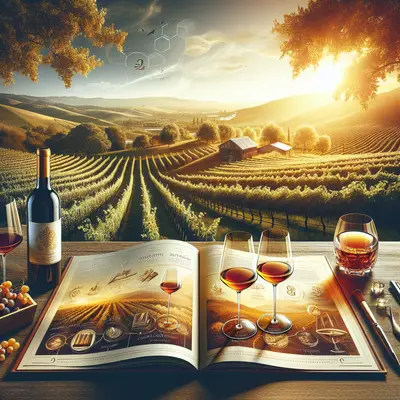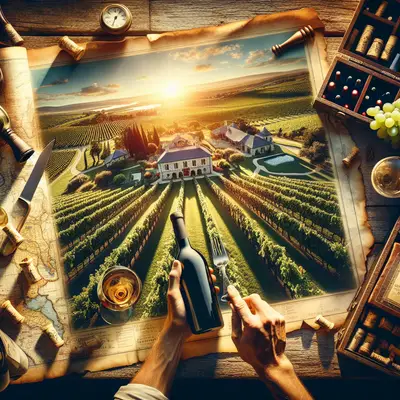
There is a moment, just before a premium tasting begins, when the world seems to exhale. Glassware gleams in the filtered light, the hush of the room is intentional rather than empty, and every detail suggests a quiet promise: what happens here has been considered, refined, and curated long before you arrived. Premium wineries do not shout for attention; they orchestrate it, one subtle decision at a time.
For the devoted wine enthusiast, these spaces are more than destinations. They are living studios of craftsmanship where architecture, service, landscape, and cellar philosophy converge into an experience designed to be felt as much as tasted. Look past the postcard views and you begin to see the real intrigue: how the finest estates choreograph every moment to honor both the wine and the guest.
1. Architecture That Tastes as Carefully as the Wine
At a true premium estate, the building is not just a backdrop for tasting—it is a sensory instrument designed to shape how you experience each pour. Ceiling height alters acoustics so conversations drift rather than echo; walls are chosen not only for visual elegance but for how they reflect or absorb light onto the glass. Stone and timber are selected as much for their textural warmth as for their aesthetics, inviting the hand to rest on a table edge or stair rail a fraction longer than necessary.
Thoughtful architects work closely with winemakers to ensure a seamless journey from vineyard view to tasting bar. Sightlines are deliberate: your eye might travel from a glass of Chardonnay to the exact slope where its fruit was grown, bridging abstract flavor notes to something tangible in the landscape. Even the path from the parking area is choreographed to slow the pace—gentle inclines, framed vistas, and discreet entryways that allow your senses to recalibrate from the outside world. You do not simply enter a premium winery; you are quietly decelerated into it.
2. Service That Anticipates What You Don’t Yet Know You Want
The hallmark of elevated hospitality is not effusiveness; it is precision. At premier wineries, hosts are trained less as sales staff and more as interpreters—of terroir, of the estate’s philosophy, and of each guest’s unspoken preferences. They notice how long you linger over the aromatics, whether you ask about soil before oak, or whether your eyes follow the cellar door more than the view; each cue subtly shapes the direction and depth of the experience.
Rather than a rehearsed script, you encounter a conversation tailored in real time. Your host might adjust the pour sequence based on your reaction to acidity, swap a library vintage into the flight without announcement, or slow the pacing when they sense your interest in one particular parcel or clone. Refills appear before you need to ask; a spittoon is placed within reach the moment you begin to swirl more contemplatively. Premium service at these estates functions like great editing in cinema—you only truly notice it when it is absent.
3. Vineyard Access as a Lens, Not a Photo Opportunity
Many wineries offer vineyard walks; premium wineries curate vineyard immersion. Instead of simply escorting you to a scenic row for a snapshot, they invite you to read the landscape like a winemaker. You may be asked to stand at the mid-slope and compare the feel of the breeze to the stillness at the foot of the hill, or to touch the soil as it crumbles differently between parcels only a few meters apart. The aim is not spectacle but literacy.
At this level, the vineyard becomes a live map of the wine in your glass. You begin to recognize the shadow line where sun exposure shifts flavor from citrus to stone fruit, or the subtle dip where cold air settles and preserves acidity. Tastings might be staged in situ: a single-vineyard Pinot Noir poured among its vines at dusk, or a vertical tasting conducted beside the very block that has anchored the estate’s identity for decades. You leave not with a better photograph, but with a mental overlay where flavor and landscape are permanently intertwined.
4. Cellars That Reveal Philosophy, Not Just Barrels
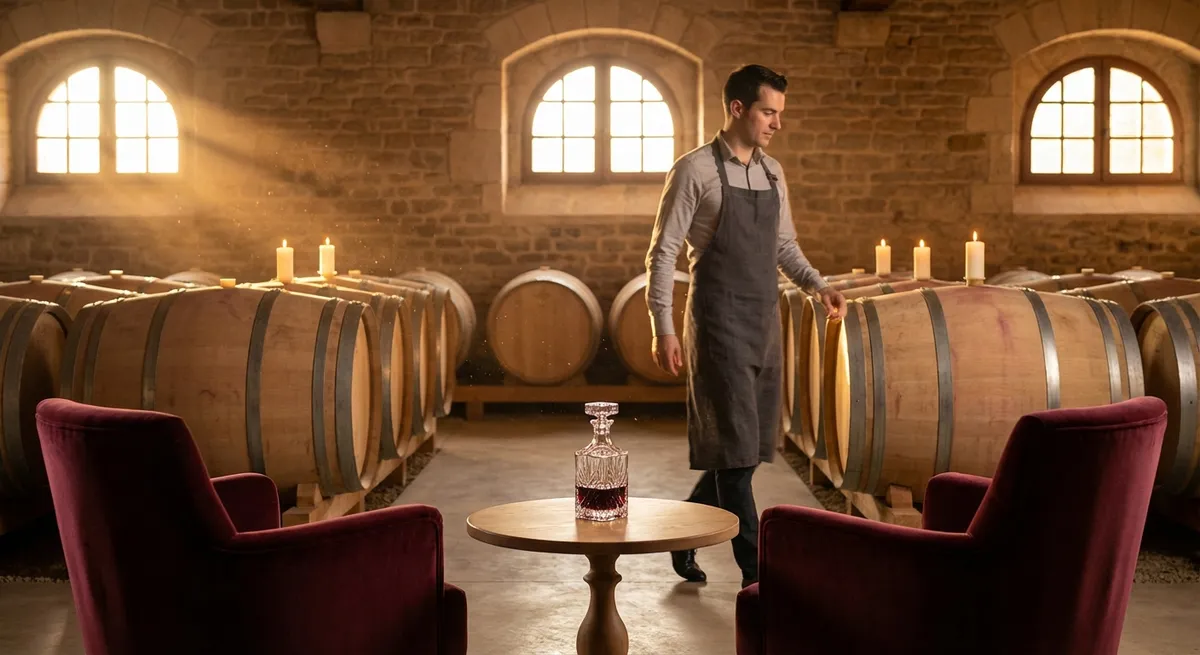
Touring a cellar at a premium estate is less about admiring rows of French oak and more about understanding the decisions that led to them. Temperature and humidity are managed with an almost meditative discipline, but the real fascination lies in what those conditions protect: a long arc of intent, spanning from harvest to release. Each fermenter, each barrel choice, each experiment in vessel or élevage tells a story about the winery’s priorities.
Some cellars, almost monastic in their restraint, reflect a philosophy of minimal intervention: concrete tanks for textural nuance, larger-format oak for gentle evolution, a conspicuous absence of new wood for certain cuvées. Others display a more exploratory temperament—separate micro-lots arrayed like a research library, each barrel labeled with block, clone, and even pruning style. When your host describes why a parcel is whole-cluster fermented or why certain lots are aged longer on lees, you are being invited into the intellectual framework of the estate. The cellar, in these places, is less a storage space and more a living thesis on how the winery believes great wine should be made.
5. Curated Time: Pacing as the Ultimate Luxury
The rarest currency at a premium winery is not a cult bottling; it is unhurried time. Top estates understand that profound experiences cannot be rushed, so they design tastings as a measured narrative rather than a checklist. Appointments are intentionally staggered, leaving space for conversation that wanders beyond varietals into history, climate, architecture, or art. Silence, when it occurs, is comfortable—time given freely for you to sit with a wine before the next chapter begins.
This curated pacing shows up in subtle ways. A palate-refreshing pause before a flagship pour. A short walk through the gardens between flights, allowing aromas and impressions to reset. A concluding moment on a terrace or in a library-like salon where no one hovers with a payment terminal, signaling that the experience is complete only when you feel it is. In an era where many tastings can feel transactional, the most refined wineries treat your time not as a resource to be optimized, but as a canvas to be thoughtfully filled.
Conclusion
Premium wineries excel not because they accumulate luxuries, but because they orchestrate them with restraint and purpose. Architecture, service, vineyard access, cellar philosophy, and pacing are all tuned to one objective: to allow the wine, and your relationship to it, to deepen with every moment on the estate.
For the serious enthusiast, recognizing these quiet signatures transforms a simple visit into an act of discernment. You begin to sense when a winery is not merely offering a tasting, but inviting you into its inner logic—its way of seeing land, time, and hospitality. Those are the experiences that linger long after the final pour, reshaping not only what you drink, but how you choose where to go next.
Key Takeaway
The most important thing to remember from this article is that this information can change how you think about Premium Wineries.