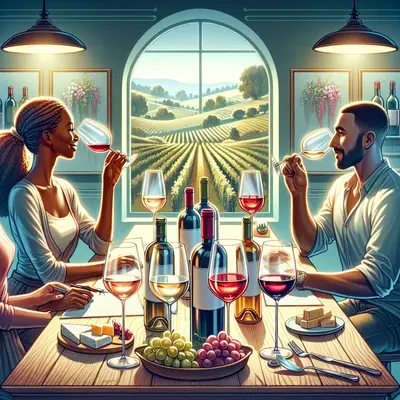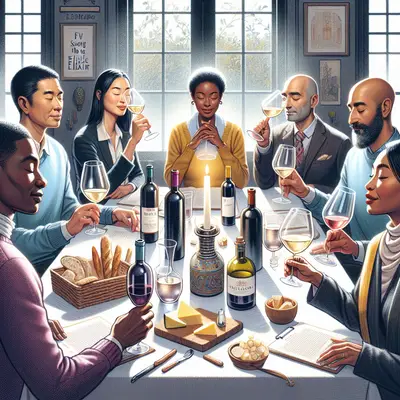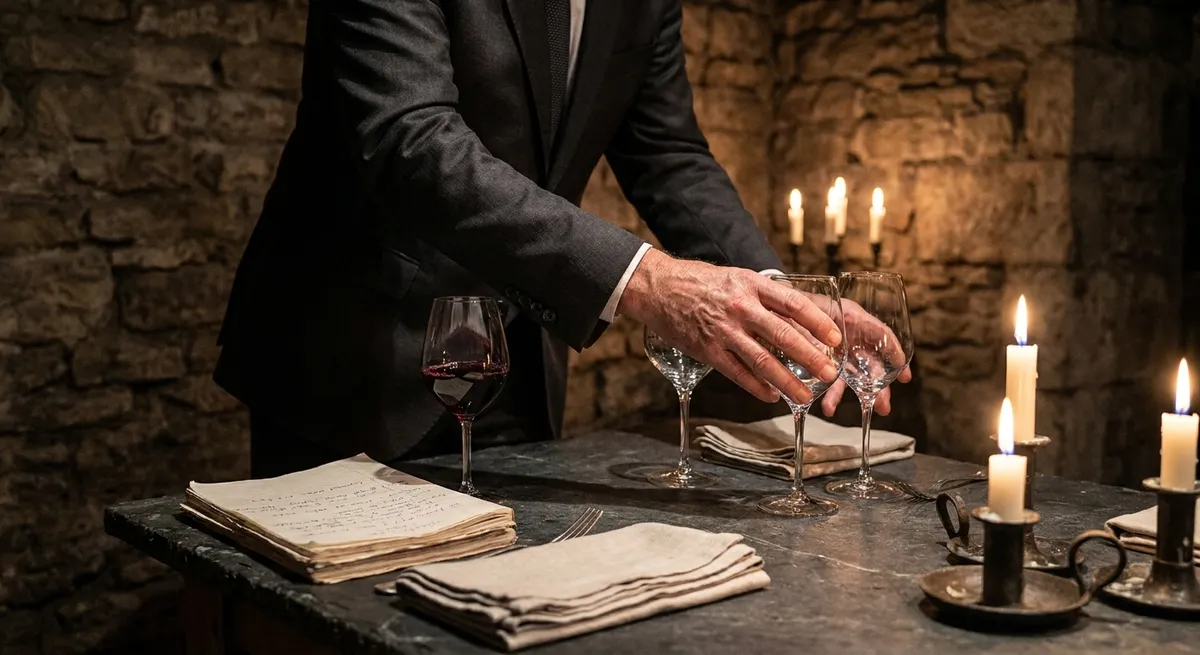
Wine tasting, at its finest, is less about chasing scores and more about entering into a quiet dialogue with craft, place, and time. For the discerning traveler and serious enthusiast, a tasting is an orchestrated experience: light, glassware, pacing, and conversation all play a part. When approached with intention, even a single afternoon in the cellar or tasting room can reframe how you understand wine for years to come.
Below, we explore a refined approach to wine tasting, anchored by five exclusive insights that move beyond the obvious swirl-and-sniff routine. These are the details seasoned collectors, sommeliers, and winemakers pay attention to—subtleties that elevate a pleasant visit into a truly memorable encounter.
Designing the Setting: How Environment Shapes Perception
A sophisticated tasting begins long before the bottle is opened. The environment is the silent collaborator in every glass. Temperature, lighting, and visual noise all influence what you perceive, often more than you realize.
Cool, softly diffused light helps preserve both wine and palate; harsh brightness can flatten color and distract the eye from subtle hues, especially in older vintages. Background scent—perfume, candles, recently roasted coffee—can mask delicate aromatics. Serious tasting rooms often ban fragrance for this reason, and you will notice that the most meticulous wineries keep their spaces almost clinically neutral in smell.
Glassware, too, is a strategic choice rather than a decorative one. A thin, tulip-shaped glass narrows the aromatic chimney, focusing the bouquet; larger bowls favor nuanced reds, while slightly smaller glasses cradle high-acid whites and sparkling wines. A premium experience will often include distinct glass shapes for different terroirs or varieties, subtly guiding your senses toward their finest expression.
For the traveler, one elegant habit is to carry a preferred tasting glass on vineyard visits. It allows you to compare wines across properties with a constant vessel, removing one more variable from the equation and sharply revealing the differences in style, structure, and terroir.
The Five Exclusive Insights: What Serious Enthusiasts Quietly Notice
Beyond basic tasting steps, experienced enthusiasts attend to a deeper layer of detail—elements rarely discussed in casual tastings but fundamental to genuine understanding.
1. Reading Texture as Carefully as Flavor
Most guests focus on flavor descriptors—cherry, graphite, citrus, spice. Serious tasters give equal attention to texture: how the wine actually feels as it moves across the palate. Texture reveals the winemaker’s hand and the character of the vintage.
Notice whether the tannins feel powdery, chalky, velvety, or granular. Assess the “shape” of the wine in your mouth: does it arrive broad and expansive, or narrow and linear before opening up? High-quality wines often have a dynamic, evolving texture—what begins as silk may finish as fine-grained grip. Over time, you will recognize that two wines with similar flavors can feel utterly different, and texture often becomes the deciding factor in what you return to.
2. Tracking the Wine’s Arc, Not Just the First Impression
Many tastings are too hurried, rushing from glass to glass. A premium approach values the wine’s timeline: how it changes from the moment it is poured to the last sip.
Observe the first aroma immediately after pouring, then again after a gentle swirl and a few minutes of air. Quality wines often reveal layers gradually: primary fruit gives way to spice, floral notes, and finally more tertiary elements like forest floor, leather, or truffle. The palate, too, can lengthen and gain detail with oxygen. Make it a practice to revisit the first wine after tasting others; the most complete bottles often show more complexity and poise after half an hour in the glass.
This patient observation turns tasting into a slow conversation rather than a quick verdict—and distinguishes a truly age-worthy wine from one that merely performs well on first glance.
3. Listening for the Winery’s “Accent” Across Different Wines
In music, you can often recognize a composer after a few bars. The same is true of serious estates. Enthusiasts quietly look for a house “accent”: recurring traits that appear across varieties, vintages, and price tiers.
Taste the estate’s entry-level and flagship wines side by side whenever possible. Does the producer consistently favor tension and minerality? Plush fruit and polished tannins? A savory, herbal edge? Recognizing this signature helps you understand the winery’s philosophy—whether they lean toward elegance or power, restraint or opulence.
Once you recognize a house style, you can more confidently explore their lesser-known cuvées and emerging vintages, secure in the knowledge that you are aligned with their aesthetic temperament.
4. Observing Silence as an Integral Part of Tasting
Truly premium tastings include intentional moments of quiet. The most compelling wines ask for a brief suspension of chatter—long enough to let your senses register the full experience.
A refined host will often pour, offer a concise framing comment, then step back. Those who taste frequently come to value these pauses: they allow you to register micro-details—subtle florality, a hint of salinity, finely etched acidity—that disappear in constant conversation.
When visiting wineries, try alternating between guided commentary and a minute of shared silence after the pour. You will often find that the group’s impressions deepen, the vocabulary becomes more precise, and the wine seems to gain dimension when given room to speak for itself.
5. Treating the Finish as the True Measure of Quality
While the initial flavor profile draws attention, the finish is where a wine reveals its true stature. Enthusiasts quietly clock the length and clarity of the aftertaste: how long do flavors linger, and what remains when everything else has faded?
Count, discreetly, in seconds after you swallow or spit. Simple wines vanish quickly, leaving vague sweetness or acidity. Fine wines can echo for 20, 30, even 60 seconds with clearly defined notes—cocoa, citrus oil, crushed stone, fine tea. Just as important is the shape of that finish: does it taper gracefully or drop abruptly? Does it maintain balance, or do alcohol or bitterness intrude at the end?
With practice, you will find yourself selecting wines not only for their immediate pleasure but for the elegance and persistence of their final impression—the lasting memory of each sip.
Curating Your Personal Tasting Ritual
A premium wine journey is as much about ritual as it is about liquid in the glass. Over time, creating a personal tasting ritual transforms each visit—whether at home or in a grand estate—into a deliberate, almost ceremonial experience.
Begin with a measured pace. Limit the number of wines you taste in a single sitting; past a certain point, your ability to perceive nuance declines. Between wines, bring your senses back to neutral with still water and plain, unsalted bread or crackers. Serious tasters avoid aggressively flavored snacks during the core of the tasting, reserving elaborate pairings for a separate, food-focused session.
Keep a refined record of your experiences. Instead of long tasting notes filled with crowded descriptors, consider a minimalist structure: three or four keywords each for aroma, texture, and finish, plus a brief sentence on how the wine made you feel—energized, contemplative, comforted, surprised. This emotional note becomes unexpectedly valuable when choosing bottles for future occasions and companions.
Finally, cultivate relationships with estates whose philosophy resonates with you. Return visits reveal how a winery evolves, how vintages compare, and how your own palate matures. That ongoing dialogue—between your taste and their craft—is the quiet foundation of a truly elevated wine life.
Conclusion
Memorable wine tasting is not a performance of expertise but a refined practice of attention. By considering environment, honoring texture, observing the wine’s evolution, listening for a winery’s accent, and attending to the finish, you move beyond simple liking or disliking. You begin to understand why a wine feels compelling—and why certain bottles linger in memory long after the glass is empty.
For the traveler with a cultivated eye and an open palate, these subtleties turn each tasting—from a hillside estate in Tuscany to an intimate cellar in the New World—into a series of carefully crafted moments. In that space of heightened perception, wine becomes what it is at its best: an elegant intersection of place, time, and human intention.
Sources
- [UC Davis Department of Viticulture and Enology – Wine Flavor 101](https://wineserver.ucdavis.edu/industry-info/enology/wine-flavor-101) - Overview of how aroma, taste, and mouthfeel interact in wine
- [Wine Institute – How to Taste Wine](https://wineinstitute.org/our-resources/the-wine-grower/viticulture-and-enology/how-to-taste-wine/) - Foundational tasting structure from a leading industry organization
- [Harvard T.H. Chan School of Public Health – Alcohol: Balancing Risks and Benefits](https://www.hsph.harvard.edu/nutritionsource/alcohol-full-story/) - Evidence-based guidance on responsible consumption
- [JancisRobinson.com – Tasting Terminology](https://www.jancisrobinson.com/learn/tastings/tasting-terminology) - Detailed explanations of professional tasting vocabulary and concepts
- [Decanter – How to Taste Wine Like a Pro](https://www.decanter.com/learn/how-to-taste-wine-like-a-pro-90315/) - Practical insights into professional tasting technique and evaluation
Key Takeaway
The most important thing to remember from this article is that this information can change how you think about Wine Tasting.