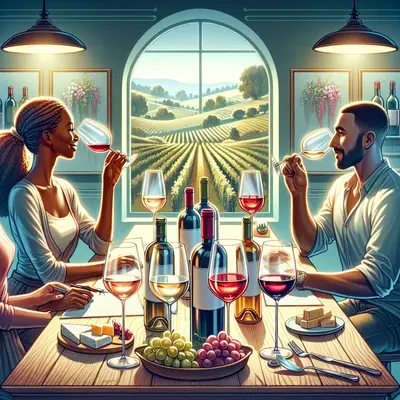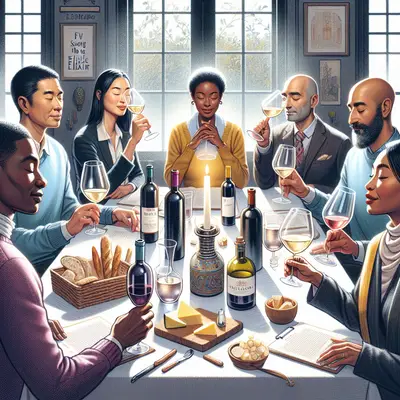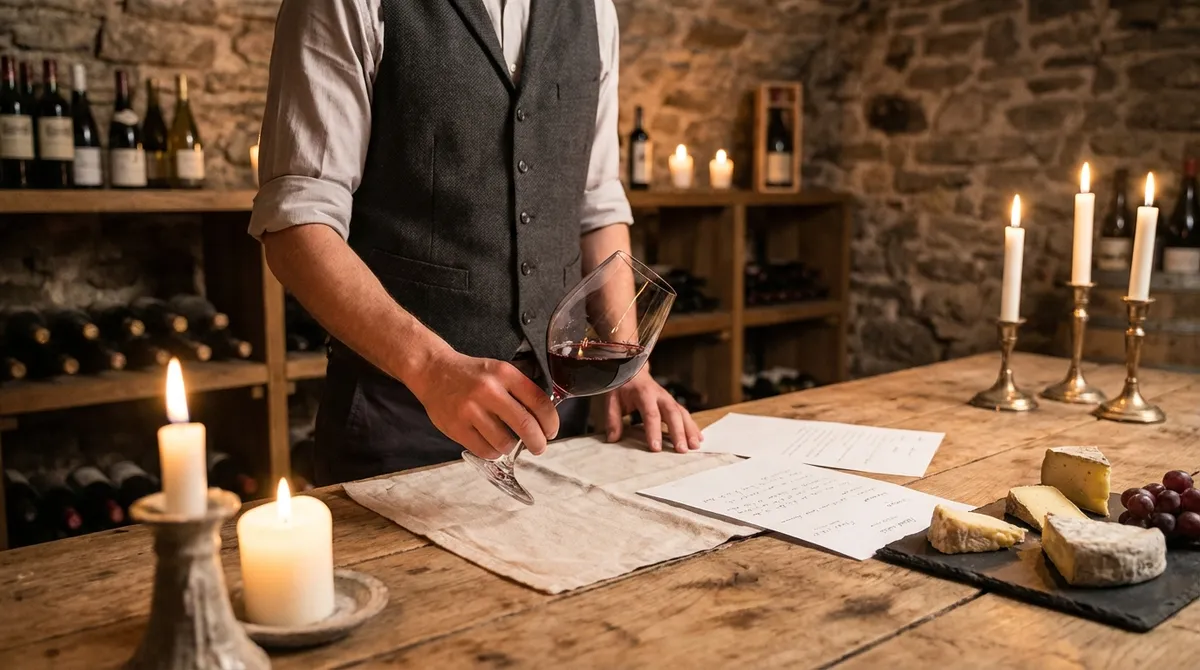
A truly memorable wine tasting is never accidental. It is composed—quietly, deliberately—like a well-structured wine itself. For the discerning traveler and devoted enthusiast, the experience extends far beyond swirling and sipping. It is about understanding nuance: how space, sequence, glassware, and even conversation sculpt perception. At Wine Tour Adventures, we see tasting not as a performance, but as an intimate study in refinement—where each detail invites you deeper into the wine’s character and the place it comes from.
Designing the Tasting: How Environment Shapes Perception
The architecture of a tasting room—its light, acoustics, materials, and even ceiling height—can profoundly influence how you perceive a wine. Natural daylight often reveals color and clarity more honestly than moody, dim interiors. Soft, sound-absorbing surfaces keep sensory distraction to a minimum, allowing the delicate lift of a cool-climate Riesling or the quiet perfume of a mature Pinot Noir to emerge unchallenged.
As you move through wineries, pay attention to how a space “sounds” and “feels.” A bustling, echoing hall can sharpen the impression of acidity and tannin, while a calm, well-appointed salon can make the same wine feel more refined and composed. Enthusiasts who notice these environmental cues start to understand why some estates invest so deeply in their tasting architecture: they are not simply building a room, but a sensory frame for their wines. When you select a premium tasting experience, look for wineries that deliberately curate light, sound, and temperature—these invisible elements often distinguish an adequate visit from an extraordinary one.
Curated Sequences: The Hidden Logic Behind the Flight
A considered tasting flight is rarely random; it is a quiet narrative crafted by the estate. Thoughtful wineries shape the order of wines with surgical precision—beginning with delicacy, building through complexity, and finishing with depth or sweetness. This sequencing helps your palate “calibrate,” similar to how a conductor eases an orchestra into a performance with a measured, opening passage.
Enthusiasts can read this structure as a window into the winery’s philosophy. A flight that opens with a restrained sparkling wine before moving to textured whites and then sculpted reds hints at an estate that values elegance and progression over immediate impact. Note how each wine influences the next: a high-acid, mineral-driven white can make a subsequent Chardonnay feel rounder and more luxurious; a tannic young Cabernet can overshadow a subtle, aged Merlot if placed in the wrong order. When you taste, pause between pours and ask why this particular wine follows the last. The answer—implicit or spoken—often reveals the winemaker’s priorities, from terroir expression to varietal purity or barrel craft.
Glassware as an Instrument: Precision in Shape, Volume, and Rim
The glass is the most underestimated tool in a sophisticated tasting. In elevated settings, glassware is chosen not for spectacle, but for precision. Rim diameter, bowl volume, and taper are all decisions with consequences. A narrow rim can intensify aromatics and direct the wine to specific parts of your palate, while a wide bowl encourages aeration, softening youthful edges and revealing hidden layers.
Enthusiasts who travel frequently will notice that serious estates often vary glassware across the flight. An aromatic white served in a tall, tulip-shaped glass may display jasmine, citrus oil, and wet stone that seem muted in a standard all-purpose stem. Conversely, a structured Syrah in a broad-bowled glass might unveil smoked meat, violets, and black olive with far greater definition. When you encounter thoughtful glassware programs, treat them as an invitation to compare: taste the same wine in two shapes if offered, and note the difference in aroma concentration, texture, and perceived acidity. The most refined experiences are those where glass and wine feel inseparable—each designed to enhance the other.
Time in the Glass: Treating Each Pour as a Moving Portrait
One of the most exclusive insights shared by winemakers and seasoned tasters is deceptively simple: the best wines should not be judged at first sip. Premium tastings often move at a deliberately unhurried pace, allowing each pour to evolve in the glass. At five minutes, a wine may show linear citrus and stone; at fifteen, it might reveal orchard fruit, almond, and a gentle, saline finish. This temporal dimension is where serious wines distinguish themselves from merely pleasant ones.
When you taste, resist the urge to “finish” each pour before moving on. Instead, revisit early wines after several minutes. Observe whether the wine grows more expressive, more integrated, or if it simply fades. Structured reds, in particular, can soften and broaden even within a short tasting window, revealing finer tannins, spice, and secondary notes that were initially hidden. Enthusiasts who treat each glass as a moving portrait—rather than a static snapshot—begin to understand why time is considered a crucial ingredient in fine wine, from the cellar to the tasting table.
The Conversational Layer: Asking the Questions That Matter
The most rewarding wine tastings are not monologues but dialogues. At elevated estates, your host often functions as both curator and translator, turning technical details—soil composition, canopy management, fermentation protocols—into human stories. The questions you choose to ask can dramatically change the depth of your experience.
Rather than focusing solely on ratings or production figures, consider questions that unlock intention and philosophy:
- “What decision in the vineyard most defines this wine’s character?”
- “What do you choose not to do in the cellar with this grape?”
- “How do you want this wine to feel on the palate, not just taste?”
These inquiries encourage your host to share the subtle choices that separate one cuvée from another: picking dates selected for tension rather than ripeness, a restrained oak regimen to preserve minerality, or blending decisions made for texture instead of power. The resulting conversation lends dimension to each sip; you are no longer tasting a generic “reserve,” but a deliberate expression shaped by countless, thoughtful compromises. For the refined traveler, these insights become the real souvenirs—stories that continue long after the bottle is empty.
Conclusion
A sophisticated wine tasting is an exercise in quiet discernment. It is the interplay of architecture and ambiance, orchestrated flight design, purposeful glassware, patient observation in the glass, and meaningful conversation. For those who seek more than a quick pour at the bar, it becomes an indulgent study in detail, where every decision—seen and unseen—amplifies the wine’s voice. At Wine Tour Adventures, we celebrate these nuanced experiences, guiding enthusiasts to tastings where refinement is not merely promised, but meticulously practiced in every aspect of the journey.
Sources
- Wine Institute – Wine Tasting Basics - Overview of foundational tasting techniques and sensory considerations
- UC Davis Department of Viticulture & Enology - Research-based insights into wine sensory science and evaluation
- Riedel – The Effect of Glass Shape on Wine - Detailed explanation of how glass design influences aroma and flavor perception
- GuildSomm – Tasting Method - Professional perspective on structure, sequence, and critical tasting
- Harvard T.H. Chan School of Public Health – Alcohol: Balancing Risks and Benefits - Context on responsible consumption and health considerations related to wine
Key Takeaway
The most important thing to remember from this article is that this information can change how you think about Wine Tasting.