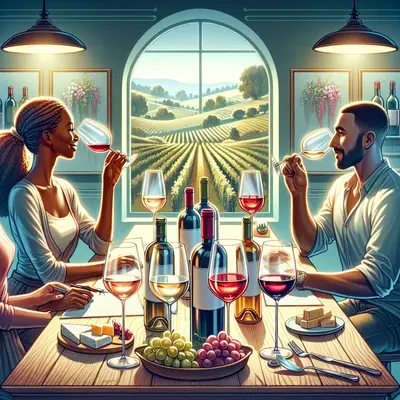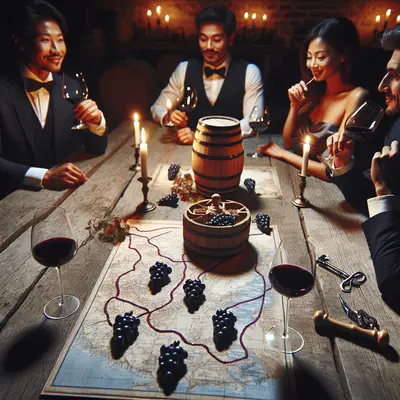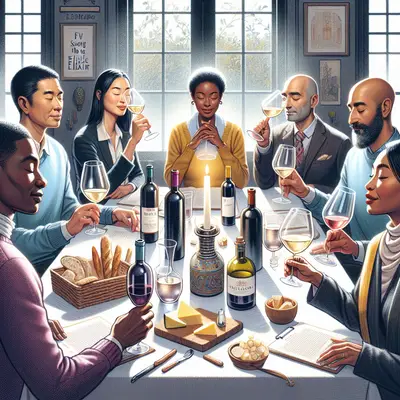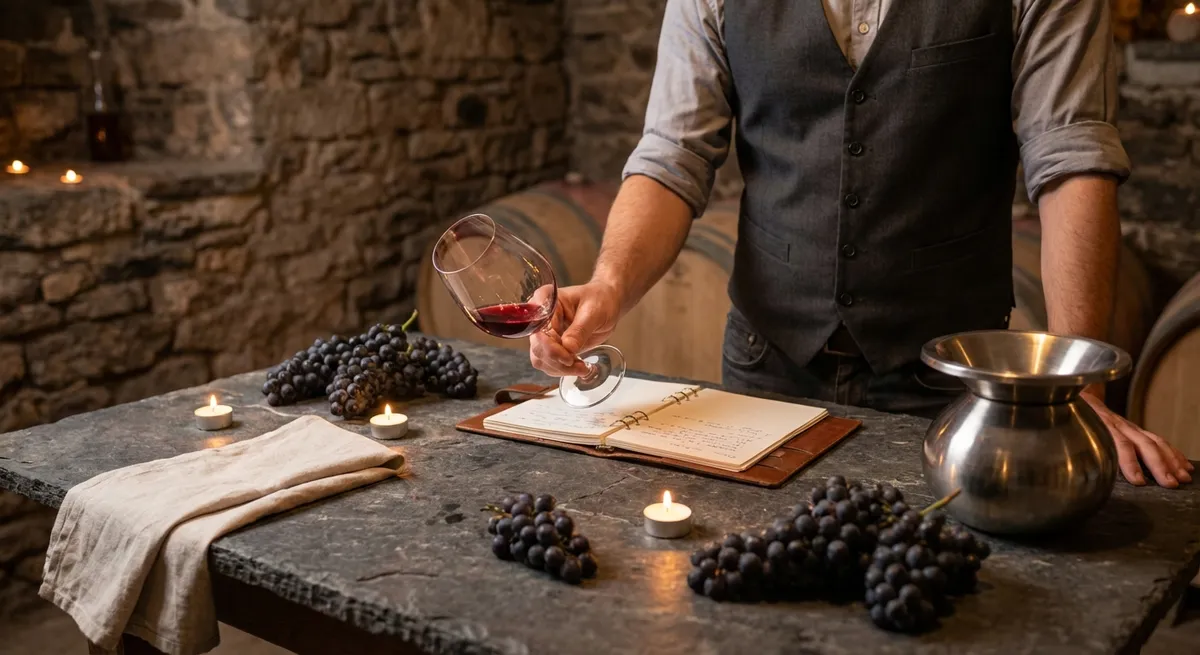
There is a moment, somewhere between the first swirl and the final sip, when a wine tasting becomes something more than a pleasant diversion. It transforms into a quiet study of place, time, and craft—an experience constructed with as much intention as the wines themselves. For discerning enthusiasts, this is where true pleasure lies: not in spectacle, but in the thoughtful details that turn a tasting into an intimate dialogue with the glass.
Designing the Arc: Treating the Tasting Like a Symphony
A refined wine tasting is not a random sequence of pours; it is an intentional progression, more akin to a symphony than a playlist. The finest tasting rooms and serious collectors alike think in terms of structure, tempo, and climax.
Begin with wines that speak softly—often whites or lighter-bodied reds with higher acidity—to calibrate the palate. Each subsequent pour should add complexity or weight, but never abruptly. Moving from taut, mineral whites to textured, barrel-aged whites, then to graceful reds before culminating in deeper, more powerful bottles creates a narrative your guests can feel, even if they cannot articulate it.
Equally critical is the “rest note” built into the experience. Allowing a brief pause between certain wines—accompanied by water, a subtle palate cleanser, or a quiet moment to reflect—prevents fatigue and invites conversation. The most memorable tastings are those in which the order of wines reveals a story: how a producer has evolved, how a vineyard shifts with vintage, or how a grape variety expresses itself across different terroirs. Structure is the invisible luxury; when perfected, it is sensed rather than seen.
Glassware as an Instrument: Calibrating Form to Expression
For the committed enthusiast, glassware is no longer a decorative afterthought but a precision tool. The shape, rim diameter, and bowl volume each influence how a wine presents itself—what aromas rise first, how acidity registers, how tannins feel on the palate.
High-quality, thin, crystal stemware is not about ostentation; it is about clarity. A finely made glass reduces visual and tactile distractions so the wine can speak plainly. Burgundy-style bowls can soften angular reds and amplify aromatic nuance, while more upright, narrower bowls preserve spine and focus in structured wines such as Cabernet Sauvignon or Nebbiolo. The difference may be subtle, but refined tasting is the pursuit of precisely these subtleties.
An exclusive insight often missed: use deliberate “glass mapping” for a curated flight. Instead of one universal red glass, choose two distinct stems and pour the same wine into each. Invite guests to compare. The exercise reveals how dramatically architecture alters perception and, more importantly, trains the palate to separate what belongs to the wine from what belongs to the vessel. It is an advanced, almost meditative way to refine tasting acuity.
The Silent Role of Atmosphere: Light, Sound, and Scent
A sophisticated tasting is built as much on what is excluded as what is included. Ambient conditions exert a quiet but decisive influence on how wines are perceived. Soft, neutral lighting allows you to observe a wine’s color and viscosity without distortion; excessively warm lighting can mask hue variation, while harsh brightness flattens the mood and discourages contemplation.
Sound is equally critical. A premium tasting setting favors low, textured soundscapes—muted conversation, quiet jazz, or the natural hum of a vineyard over loud music or echoing interiors. Elevated noise levels reduce not just concentration, but also the perceived nuance of aroma and flavor. Silence, or something close to it, is a luxury many do not realize they are missing.
The most underestimated detail is scent. Anything competing with the wine’s aromatic profile—heavy candles, perfume, fragranced hand lotion—immediately blunts the experience. Refined tasting environments are almost clinically scent-neutral by design, so that a hint of flint, wild herbs, or dried rose petal has the space to register. Seasoned hosts will gently encourage a fragrance-free setting, knowing that the most enduring impression should be that of the wine, not the room.
Texture Above Flavor: Training the Advanced Palate
Once basic descriptors—cherry, citrus, spice—no longer satisfy, the serious enthusiast turns to a more sophisticated dimension: texture. In high-level tasting, the way a wine feels can reveal more about its quality, origin, and winemaking than any single flavor note.
Focus on the entry, mid-palate, and finish as if they were separate scenes. Does the wine arrive in a narrow, focused line or in a broad, enveloping wave? Are the tannins chalky, powdery, silken, or grainy? Does the acidity feel linear and tense, or rounded and integrated? Precision in describing texture distinguishes experienced tasters from casual drinkers.
A refined exercise involves temporarily ignoring flavor altogether. Take a sip, close your eyes, and mentally “draw” how the wine moves across your palate, how long it lingers, where it concentrates (front, sides, back), and whether its presence expands or contracts over time. Only after mapping this tactile architecture should you name fruits, florals, or spices. This reversal—texture first, flavor second—is a quiet, exclusive insight that unlocks an entirely new layer of appreciation.
Curating Rarity Through Context, Not Just Scarcity
Luxury in wine is often mistaken for mere scarcity—limited bottlings, elusive labels, impossible allocations. But the most sophisticated tastings understand that rarity is not solely about how few bottles exist; it is about how thoughtfully a particular wine is contextualized.
Pouring a single coveted bottle in isolation is an event. Pouring it in a series that showcases its lineage—an older vintage alongside a current release, or a neighboring producer expressing the same terroir—transforms that event into an education. Suddenly, rarity acquires dimension: you taste evolution, weather, and aging choices, not just prestige.
An elevated, insider approach is to curate micro-comparisons that would be impossible in a casual setting: the same vineyard vinified by two different winemakers, the same cuvée with and without oak influence, or two vintages that bracket a notable climatic shift. These are the tastings that linger in memory because they offer something truly irreproducible: insight. In this context, rarity becomes less about price and more about perspective—access to a tasting experience that can never be recreated exactly the same way again.
Conclusion
Refined wine tasting is less about elaborate theater and more about considered design. When the sequence of wines is orchestrated like a symphony, the glassware chosen with forensic care, the atmosphere curated for quiet focus, the palate trained to feel before it names, and rarity framed as context rather than trophy, the experience transcends simple enjoyment. It becomes an intimate, almost architectural exploration of craftsmanship and terroir.
For those who seek not just to drink well, but to understand deeply, these subtle refinements are where true luxury resides—quiet, precise, and unforgettable.
Sources
- Wine Tasting: How to Taste Wine Like a Pro – Wine Spectator - Overview of professional tasting structure and key sensory components
- Does Wine Glass Shape Really Matter? – Riedel - Detailed explanation of how glass architecture influences aroma and flavor perception
- The Science of Smell: How Scent Affects Taste – Harvard Gazette - Insights into the neurological relationship between aroma, environment, and flavor
- Climate, Terroir, and Wine Style – UC Davis Department of Viticulture and Enology - Academic perspective on how place and climate shape wine character
- Wine Tasting Room Design and Acoustics – Napa County Guidelines - Practical considerations for creating optimal sensory environments for wine tasting
Key Takeaway
The most important thing to remember from this article is that this information can change how you think about Wine Tasting.