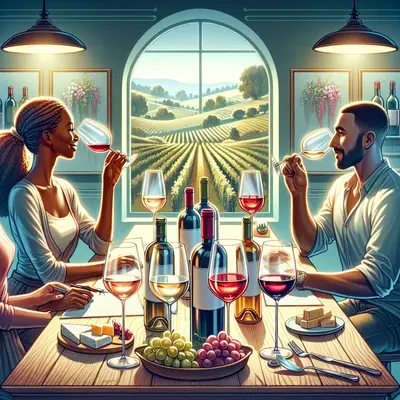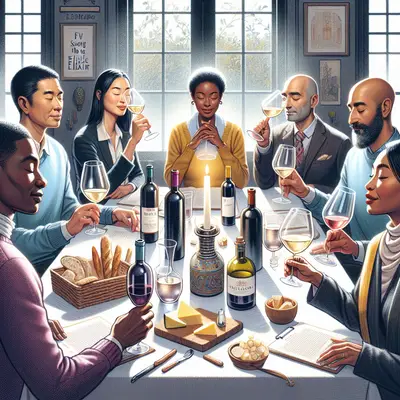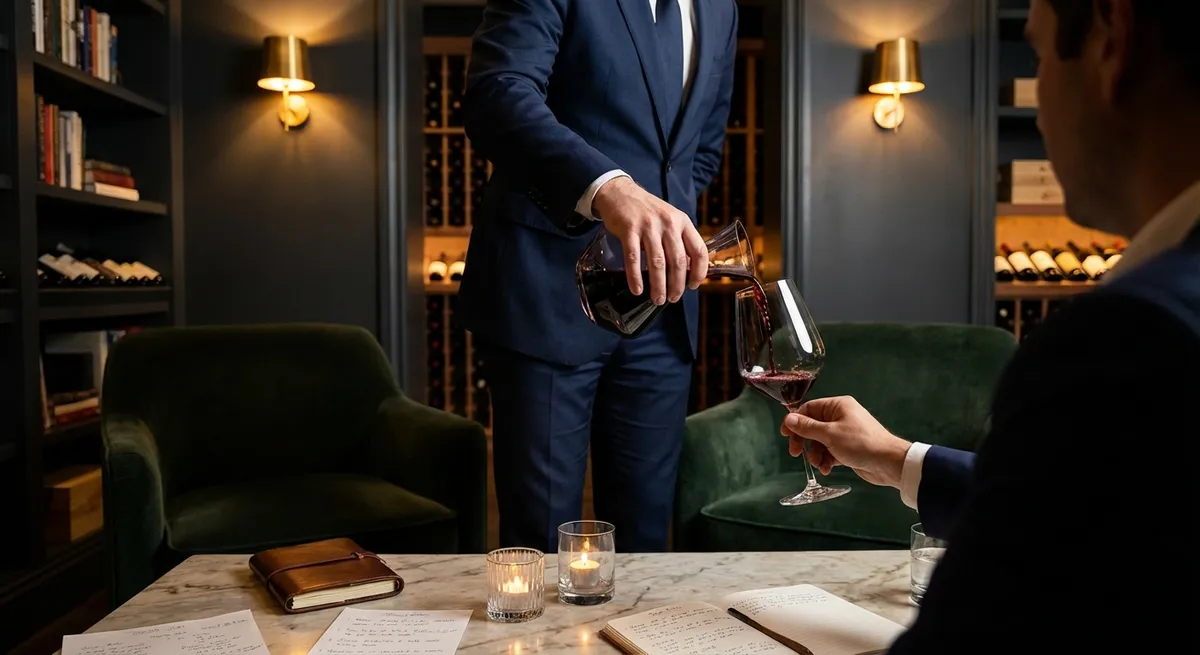
There is a moment, just before the first sip, when the room quiets and the glass becomes a world of its own. For discerning wine travelers, this is where the true luxury resides—not only in the bottle, but in the refinement of the experience around it. Beyond swirling and sniffing lies a more nuanced, almost private language of pleasure. This is an invitation into that quieter echelon of wine tasting, where detail, restraint, and intention turn a simple pour into something memorably rarefied.
The Elegance of Temperature: Tasting in the Narrow Band
Serious wine enthusiasts know that serving temperature is not a guideline; it is a precision tool. A Chardonnay poured too cold will compress its aromatic range into a faint whisper, muting its orchard fruit and textural nuance. Slightly warmer, and the wine unfurls—creamier mid‑palate, more expressive stone fruit, and a more seamless integration of oak.
Red wines benefit from similar exactitude. “Room temperature” is a relic from cooler European interiors, not contemporary climate‑controlled spaces. A structured Cabernet at 18 °C (64 °F) feels poised; at 23 °C (73 °F), alcohol becomes intrusive, tannins feel coarser, and the finish grows fatiguing. The difference is not academic—it is sensory architecture.
On a premium tasting, pay attention to how the winery manages temperature: are whites slightly cool rather than icy, are reds gently cellar‑cool rather than warm? The most meticulous estates treat each cuvée as if it has a narrow thermal “sweet spot,” and they pour accordingly. When you find yourself thinking, “This wine feels unusually composed,” it is often because temperature has been curated with almost invisible care.
Glassware as a Lens, Not a Luxury
Crystal is not merely about aesthetics; it is about how aroma and texture are framed. The same wine can feel linear and reserved in one glass, expansive and perfumed in another. Enthusiasts who travel for wine quickly learn to read a tasting room by its stemware.
Rim diameter shapes aromatic intensity—narrower rims concentrate delicate floral and volatile notes; broader bowls allow more oxygen exchange, exaggerating volume and softness. Burgundy stems can transform a shy Pinot Noir into something sensual and red‑fruited, while a taller, tulip‑shaped glass can discipline an exuberant Syrah, bringing its pepper and savory layers into sharper focus.
Premium wineries often curate glassware with monastic rigor, pairing specific shapes to flagship wines. Ask why a certain glass was chosen: their answer will often reveal how they conceptualize that wine’s texture and aromatic profile. Over time, you begin to perceive glassware as a quiet collaborator in your tasting—one that can spotlight tension, elongate a finish, or soften tannic edges, depending on the silhouette in your hand.
Silence, Pace, and the “Second Nose”
Exquisite wines are not merely consumed; they are revealed in stages. The most rewarding tastings often incorporate measured silence and pacing, allowing the wine to evolve in the glass and in your perception.
The “first nose” (initial aroma right after pouring) can be tight, reductive, or shy, especially in young, cellar‑worthy wines. Give the glass a few minutes and return for the “second nose.” Oxygen begins to unravel aromatic layers: reduction may fall away to reveal citrus oil in a white Burgundy or graphite and violets in a left‑bank‑style Cabernet. In structured reds, that interval can be transformative, turning angularity into elegance.
In a premium tasting environment, notice whether your host allows this time. Are you gently rushed through flights, or is there a deliberate pause between pours, a tacit acknowledgment that great wines need both oxygen and quiet? Cultivate the habit of revisiting the same glass over 10–20 minutes. You will discover that what first felt “closed” can turn hauntingly complex—an insight that separates casual tasters from those who truly court nuance.
Textural Memory: Reading Wine With Your Palate, Not Just Your Nose
While aroma often receives the spotlight, the world’s most compelling wines are frequently defined by texture. Enthusiasts who travel for exceptional tastings begin to develop what might be called “textural memory”—a mental library of how great wines feel on the palate, not just how they smell.
Notice the entry of the wine: does it glide, or does it arrive with a precise, vertical impact? Consider the mid‑palate: does the wine broaden, gaining amplitude and weight, or does it remain taut and linear? True luxury often lies in wines that reconcile opposites—density without heaviness, richness without fatigue, austerity without harshness.
Acidity and tannin are the two pillars of this architecture. High‑quality acidity does not poke; it lifts, carrying flavors through the finish like a well‑tuned string section. Fine tannins do not scratch; they feel like suede along the gums, progressively revealed rather than aggressively announced. When tasting, experiment with closing your eyes during the second or third sip, focusing solely on pressure, temperature, and texture. Over time, you begin to recall wines not as tasting notes, but as tactile impressions—silky, chalky, saline, powder‑fine, satin‑lined. That is where vocabulary gives way to something more personal and enduring.
The Quiet Power of Context: Vintage, Soil, and Light
For those who seek more than a pleasant afternoon in the vines, context becomes the ultimate luxury. The same varietal, grown a few rows apart, can feel strikingly different depending on soil composition, slope, and the angle of light over the course of the day. Once you tune into these details, your tasting experiences take on a new dimension.
Clay tends to produce wines with breadth and generosity; limestone and chalk often yield tension, salinity, and a distinct linear drive. A cooler vintage may sculpt more angular acidity and finer aromatic detail than a warm year, which might favor opulence, riper tannins, and darker fruit. South‑facing slopes may give you sun‑drenched fruit profiles; east‑facing parcels can preserve a morning delicacy that translates into lifted aromatics and poise.
Engage your host in a conversation that goes beyond varietal and aging regimen. Ask which parcels contribute to a particular cuvée, how the vintage weather shaped picking decisions, or whether the wine in your glass reflects a specific block. Suddenly, your tasting is not just about what is in the glass, but about where, when, and why the wine exists as it does. The experience becomes almost cartographic—each sip a small map of climate, geology, and time.
Conclusion
The most rewarding wine tastings are not defined by the price of the bottle or the length of the reserve list, but by the finesse of the details: the precision of temperature, the intelligence of glassware, the patience allowed for a wine to unfold, the textural story on the palate, and the contextual narrative of place and vintage. For enthusiasts who travel in search of something quietly extraordinary, these five insights transform a visit from pleasant to profound.
On your next wine tour, consider treating each glass as both an object of pleasure and a study in nuance. In that subtle shift—from “What do I like?” to “What is this wine trying to show me?”—you will find the true, understated luxury of the tasting journey.
Sources
- [Wine Tasting: A Professional Handbook – University of California Press](https://www.ucpress.edu/book/9780123743810/wine-tasting) – Technical yet accessible reference on sensory evaluation, glassware, and tasting methodology
- [Wine Institute – Wine Basics](https://www.wineinstitute.org/our-industry/wine-basics) – Overview of serving temperatures, varietal characteristics, and fundamental tasting concepts
- [UC Davis Department of Viticulture & Enology](https://wineserver.ucdavis.edu/industry-info/enology) – Research‑based resources on winemaking, acidity, tannin structure, and sensory science
- [Decanter: Wine Serving Temperatures Guide](https://www.decanter.com/learn/wine-serve-chill-temperatures-32912/) – Detailed discussion of optimal temperatures for different wine styles and how they affect perception
- [GuildSomm – Terroir and Site Selection](https://www.guildsomm.com/public_content/features/articles/b/guildsomm-team/posts/terroir) – In‑depth exploration of soil, climate, slope, and their influence on wine character
Key Takeaway
The most important thing to remember from this article is that this information can change how you think about Wine Tasting.