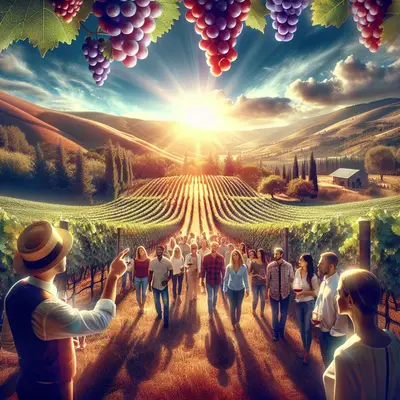
There is a moment, just before the first pour, when the room seems to pause. The countryside outside the window softens, the glass catches the light, and the conversation lowers to a more intimate register. This is where truly exceptional wine tours begin—not with spectacle, but with nuance. For the traveler who values discretion over crowds and craftsmanship over hype, a wine tour is less an excursion and more a carefully choreographed passage through landscape, culture, and time. What follows are five exclusive insights designed for those who approach the vineyard not as a backdrop for photographs, but as a living, breathing archive of human patience and precision.
The Vineyard as a Map: Reading Terroir Beyond the Label
For the devoted wine traveler, terroir is not a buzzword—it is a living script written into the slope, the soil, and the sky. The most rewarding tours invite you into the landscape as a text to be read slowly. Walk through the rows and observe the shift in temperature from the bottom of the hill to the top. Notice the change in soil texture underfoot: stones that radiate heat in the evening, chalk that crumbles between your fingers, clay that holds moisture longer after a rainfall. Ask to see two parcels that feed into the same cuvée; the contrasts will give new meaning to what you taste later in the glass.
Attentive wineries increasingly align their visits with the rhythm of the vineyard: early-morning walks when the canopy still holds dew, or late-afternoon visits when the sun falls at an angle that reveals contour and color with more honesty. The quietest, most rewarding experiences often replace scripted speeches with guided observation: how pruning differs in a high-density planting, why a particular row is grassed while another is tilled, or how a subtle breeze determines the risk of mildew. By the time you return to the tasting room, you are not simply trying a wine—you are recognizing a place you have already learned to read.
Time as a Silent Ingredient: Inside the Cellar’s True Tempo
Cellars speak in decades, not days. The most refined tours invite you into that longer conversation, where time is treated as a primary ingredient alongside grape and oak. Instead of a rapid descent into barrels and tanks followed by a quick tasting, seek out experiences that slow the tempo: comparative tastings of the same wine across multiple vintages, opportunities to taste élevage in progress, or a focused exploration of how decisions about timing—harvest date, maceration length, aging duration—alter the final wine.
A truly premium visit might include tasting a still-fermenting wine directly from the tank or barrel, then experiencing its finished form from a previous year. This is an education in potential: the transformation from volatile, restless must to composed, textural wine. Ask about how the winery navigates variable vintages: do they adjust picking windows, extraction, or barrel regime to match the year’s conditions, or do they insist on a house style regardless of climate? The answer will reveal the philosophical backbone of the estate. When you sense the patience and restraint embedded in these decisions, you begin to understand why some wines feel unhurried in the glass—they have inherited the calm of the cellar itself.
Precision in the Glass: Tasting as an Act of Fine Calibration
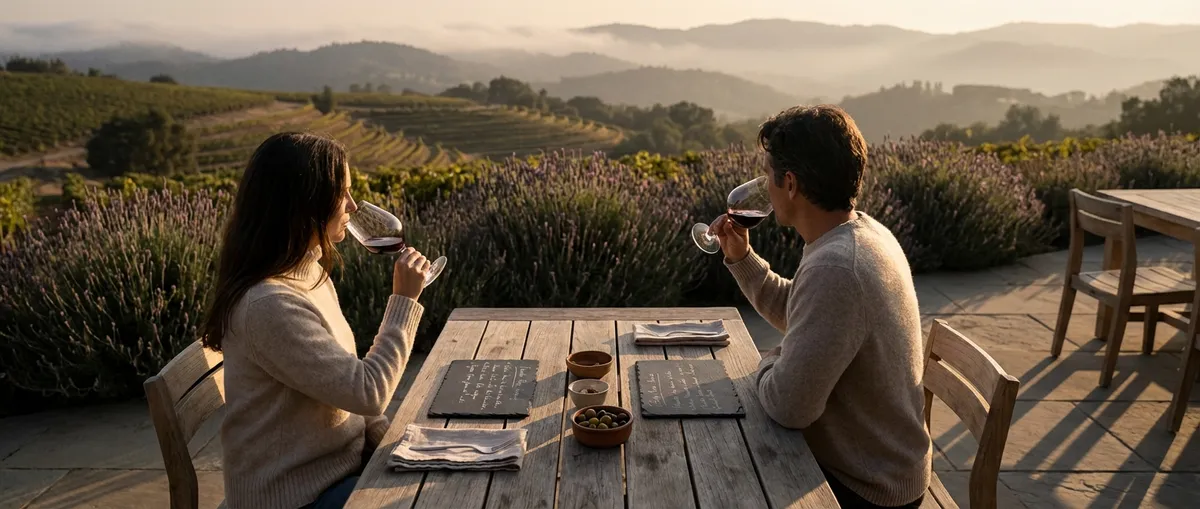
For the quietly devoted enthusiast, tasting on a wine tour is less about volume and more about clarity. The most sophisticated experiences treat each pour as an opportunity to calibrate your own perception. Look for tours that limit the number of wines in a single flight, allowing each to occupy enough mental and sensory space to be properly appreciated. Glassware is a discerning traveler’s early signal: elegant, varietal-appropriate stems indicate a cellar that respects the dialogue between form and aroma.
As you taste, move beyond simple descriptors and consider structure as a language: how acidity draws the wine’s line across your palate, how tannin behaves (powder-fine, chalky, or angular), and how the finish lingers in length and in shape. Ask to taste a wine slightly cooler and slightly warmer than the standard serving temperature; this subtle exercise reveals how temperature can sharpen aromatics, soften texture, or mute complexity. Some of the most rewarding tours now incorporate comparative tastings of the same wine in different stem shapes, or the same grape from different parcels, inviting you to refine your own sensorial precision. In such settings, tasting is no longer consumption—it is craftsmanship, practiced from the other side of the glass.
Behind the Label: Meeting the Minds Who Shape the Wine
The deepest luxury on a wine tour is not the rarest bottle; it is unscripted time with the people who shape it. Estates that truly respect the engaged visitor understand the value of small-group or private encounters with winemakers, viticulturists, or cellar masters. These conversations transcend polished narratives and enter the territory of honest reflection: a failed experiment with amphora, a vintage that required midnight harvests, or the difficult decision to declassify an entire cuvée for the sake of integrity.
When you have the opportunity, steer the conversation beyond the usual “favorite wine” questions. Ask how the estate defines success in tricky vintages, how they anticipate and respond to shifting climate patterns, or which vineyard parcel they find most intellectually demanding. Enquire about their approach to sustainability in concrete terms: water use, soil health, biodiversity, and energy. The answers will reveal whether their philosophy is merely fashionable or genuinely integrated into daily practice. This direct access allows you to carry home not just bottles, but stories—intelligent, nuanced context that becomes part of the experience each time you open the wine.
Curating Your Own Narrative: Designing a Cohesive Wine Journey
An exceptional wine tour is not an isolated visit; it is a thoughtfully woven sequence of experiences that speak to each other. Rather than racing through as many estates as possible, the discerning traveler builds a narrative arc. One day might focus on a single grape interpreted through multiple terroirs; another might contrast traditional methods with contemporary experimentation in the same region. Selecting a mix of established, historically significant wineries and smaller, avant-garde producers reveals how a region thinks across generations.
Logistics, when handled elegantly, fade into the background and allow the journey to feel seamless. Think in terms of pacing: two in-depth visits in a day, with generous time for reflection, notes, and perhaps a quiet lunch amid the vines, will yield far more lasting impressions than four hurried stops. Map your itinerary to follow the natural rhythm of the region—morning light in higher-altitude vineyards, late-afternoon in cellars where the cool air refreshes. Keep a dedicated travel notebook or digital journal for impressions of each wine, estate, and encounter; over time, patterns emerge in what moves you. In this way, your wine tours cease to be a sequence of tastings and become a personal atlas of experiences: a considered, evolving portrait of your own palate and curiosities.
Conclusion
The most memorable wine tours are not defined by the number of wineries visited or the price of the bottles tasted, but by the depth of attention you are invited to bring—and the respect with which that attention is met. From walking the contours of a single parcel to tracing the arc of a wine’s life in the cellar, from thoughtful, precise tastings to candid conversations with those who tend the vines, every element can be curated toward refinement rather than excess. For the quietly devoted enthusiast, wine travel is not a collection of snapshots; it is an ongoing dialogue with place, time, and intention. When approached with care, each journey becomes another, more nuanced chapter in that conversation.
Sources
- University of California, Davis – Terroir in Wine – Technical overview of terroir and how soil, climate, and topography shape wine character
- Wine Institute – California Sustainable Winegrowing – Insight into sustainability practices and standards used by leading wineries
- Bordeaux Wine Council (CIVB) – Understanding Bordeaux Vintages – Illustrates how vintage conditions and time in the cellar influence wine style and quality
- Oxford Companion to Wine via Oxford Reference – Authoritative reference on wine terminology, tasting structure, and regional context
- Harvard T.H. Chan School of Public Health – Alcohol: Balancing Risks and Benefits – Evidence-based discussion of health considerations relevant to responsible wine enjoyment
Key Takeaway
The most important thing to remember from this article is that this information can change how you think about Wine Tours.