There is a moment, just before the glass is raised, when the vineyard itself feels louder than the conversation around it. For the discerning wine traveler, that moment is the true destination—far more than any postcard view or tasting-room photo. Wine Tour Adventures curates journeys for those who value precision over spectacle, and who understand that the most meaningful wine experiences are rarely the most obvious. This article explores five exclusive, often-overlooked insights that transform a simple visit into a quietly exquisite immersion in place, craft, and time.
The Power of Time-of-Day: When the Vineyard Is Most Honest
The same vineyard can feel like three different estates depending on the hour you arrive. Early morning, before the first buses or rental cars appear, the air is cooler, the light gentler, and the vineyard’s aromatic profile more vivid—damp earth, crushed leaves, faint wildflower and herb notes that never quite survive into the afternoon. For serious enthusiasts, this is the moment when terroir is not a theory but a sensation.
A late-morning technical tasting, timed just after cellar work but before lunch, often reveals the wines at their most focused. Cellar teams are still energised, and conversations tend to be more granular: canopy management choices, micro-plot fermentations, and minute blending decisions. By contrast, a late-afternoon appointment invites a different kind of intimacy—slower pacing, more reflective discussion about vintages past and future, perhaps a barrel sample or library pour shared as the sun moves behind the hills.
Premium wine touring is, at its core, an exercise in choreography. Planning private or semi-private appointments with deliberate time-of-day staging allows you to experience the same region as a living, shifting organism rather than a static backdrop. You are not simply visiting; you are aligning your own tempo with the daily rhythm of the estate.
Reading the Vineyard: Walking the Rows with Intent
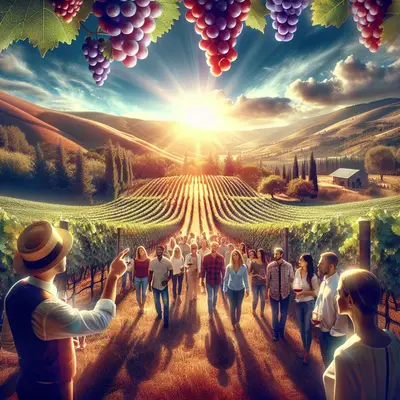
Many visitors stroll through vineyards as if they were art installations—beautiful, yes, but distant. The connoisseur’s approach is more analytical, though no less romantic. Walking the rows with intent means learning to “read” the fine print of a landscape: soil color and texture, row orientation, planting density, vigor differences from one parcel to the next. These details quietly foreshadow what you will later taste in the glass.
A premium tour should always, where possible, include guided vineyard time with someone who can speak fluently to the land—an estate viticulturist, a vineyard manager, sometimes even the owner-winemaker. This is where questions deepen: Why this rootstock in this block? Why this pruning method for older vines? What risks do they accept in pursuit of concentration, freshness, or longevity?
Attentive travelers notice the small cues that separate high-precision viticulture from the merely photogenic. Cover crops under the vines may hint at soil health philosophy. Subtle changes in trellising might indicate refinements prompted by climate evolution. Once you learn to observe these details, every subsequent tasting is layered with context. The wine is no longer just “excellent”; it becomes the inevitable result of a thousand deliberate, visible choices.
Behind the Cellar Door: Understanding the Producer’s Philosophy
True luxury in wine touring is not measured in chandeliers or panoramic terraces, but in access to a producer’s thinking. A cellar visit is less about admiring shiny tanks and more about decoding the estate’s philosophy—how they resolve tensions between tradition and technology, consistency and vintage expression, elegance and power.
Enthusiasts who ask thoughtful, non-superficial questions often unlock a different level of conversation. Instead of “Which is your most popular wine?”, they might ask how the producer adjusted extraction in a challenging vintage, or what they have changed in their barrel program over the last decade. These inquiries signal not just interest, but respect—and in return, winemakers frequently respond with candor, unplanned tastings, or anecdotes not shared in standard tours.
The most rewarding experiences often occur when a tour is deliberately unhurried. Allowing time for spontaneous detours—tasting a base wine from tank, sampling the same wine in different barrels, or comparing vintages side by side—reveals how the estate thinks about evolution and aging. In these quiet, technical moments, the story of a winery ceases to be marketing language and becomes an unfolding narrative of experimentation, risk, and refinement.
Curating Pairings Beyond the Plate: Architecture, Acoustics, and Light
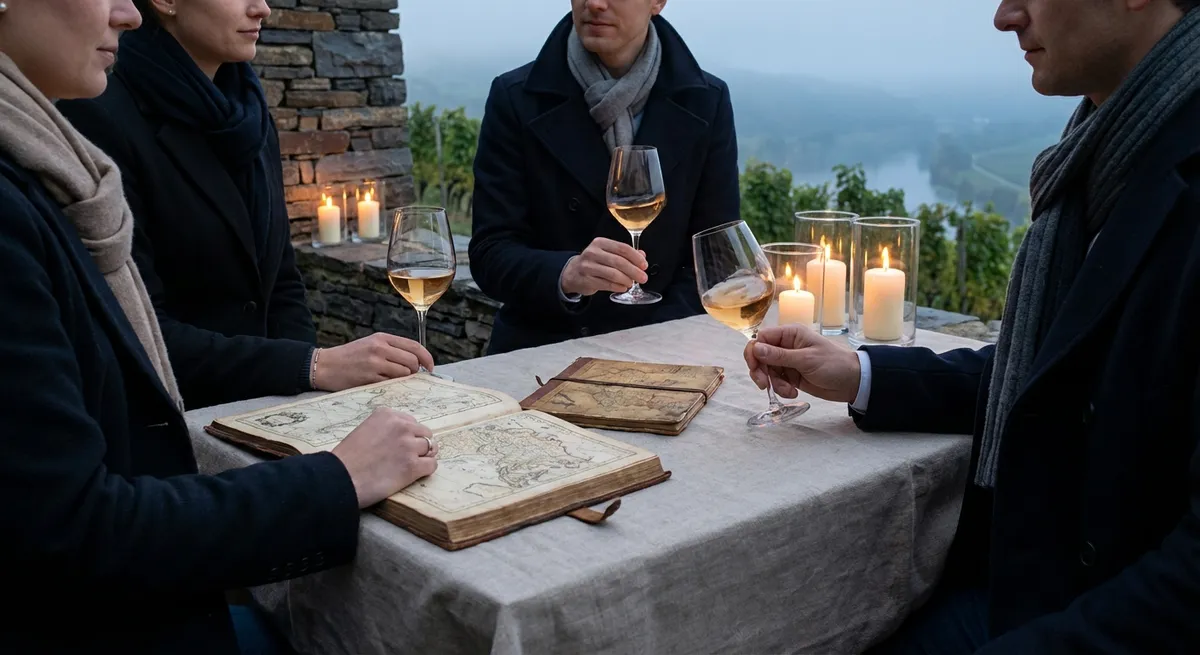
For the sophisticated wine traveler, pairing is not limited to food and wine; it extends to the entire environment in which the wine is experienced. Architecture, sound, and light all influence your perception of a glass, sometimes more than the taster realizes. A great tour deliberately orchestrates these elements rather than leaving them to chance.
Tastings in high-ceilinged, echoing halls can subtly fatigue the senses; quiet, textured spaces with controlled acoustics allow you to focus more precisely on aroma and structure. Natural light—especially lateral light rather than overhead glare—gives a truer impression of color and viscosity. Even the material of the tasting table can change how you perceive temperature and weight in the glass.
Premium estates are increasingly designing tasting spaces that function as sensory instruments. Some offer vertical line-ups in subdued, library-like rooms for older vintages; others reserve brighter, more convivial spaces for younger, fruit-forward wines. For your itinerary, selecting experiences that consciously align wine style with setting can create a sequence of impressions that feels coherent and memorable, rather than a blur of beautiful but indistinct stops.
Accessing the Unseen: Library Vintages, Micro-Cuvées, and Working Moments
The most rewarding wine travel experiences are rarely advertised on public booking pages. They live in the realm of the unseen: a quietly opened library bottle, a tiny micro-cuvée reserved for members, or a candid barrel sample drawn mid-rack. These are the moments that make a visit feel singular rather than interchangeable.
Achieving this level of access is less about status and more about approach. Booking in advance, traveling outside peak weekends, and expressing clear, specific interests (for example, older vintages, single-parcel bottlings, or fermentation experiments) can open doors that remain closed to generalized tourism. Establishing a relationship of genuine curiosity and patience—rather than urgency or entitlement—often prompts hosts to reveal one more bottle, one more story, one more room.
Equally compelling is the opportunity to witness wineries in “working mode.” Visiting during harvest or just before bottling offers a heightened sense of energy and risk: sorting tables in motion, the scent of fermenting must, barrels being steam-cleaned or topped up. Even a brief glimpse behind the polished façade deepens your respect for what will ultimately appear in the glass. You leave not just impressed, but engaged in the ongoing life of the estate.
Conclusion
A truly elevated wine tour is not defined by the number of wineries visited or the price of the tasting fee. It is shaped by timing, observation, access, and an appreciation for nuance. When you walk the rows with intent, listen to the quiet logic of the cellar, attend to the architecture of the tasting room, and earn entrée into the unseen corners of an estate, every glass becomes an interpretation of place and person rather than a mere beverage.
Wine Tour Adventures exists for travelers who value this kind of precision. The most memorable journeys are not the loudest or the most publicized; they are the ones where every detail—hour of the visit, sequence of tastings, conversations behind closed doors—has been curated to reveal wine at its most articulate. In that world, luxury is not spectacle. It is intimacy, discretion, and the feeling that, for a few hours, a great estate has chosen to show you its true self.
Sources
- Harvard T.H. Chan School of Public Health – Wine and Health – Overview of wine within the context of health and moderation, providing scientific grounding for responsible enjoyment during travel
- University of California, Davis – Viticulture and Enology – Technical background on winemaking and cellar practices that informs the discussion of fermentation, barrel aging, and producer philosophy
- Cornell University – Terroir and Vineyard Management – Explores how vineyard factors such as soil, aspect, and canopy management influence wine style, supporting the section on reading the vineyard
- Wine Institute – California Wine Country Tourism Data – Context on wine tourism trends and the importance of curated, high-quality visitor experiences in major wine regions
- UNESCO – Cultural Landscapes of Wine Regions (e.g., Champagne, Douro) – Describes the cultural and architectural significance of historic wine landscapes, relevant to the discussion of architecture, light, and setting in premium wine tours
Key Takeaway
The most important thing to remember from this article is that this information can change how you think about Wine Tours.