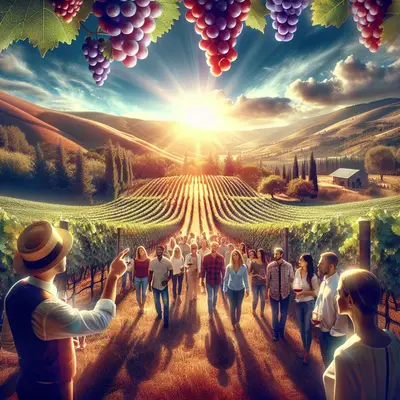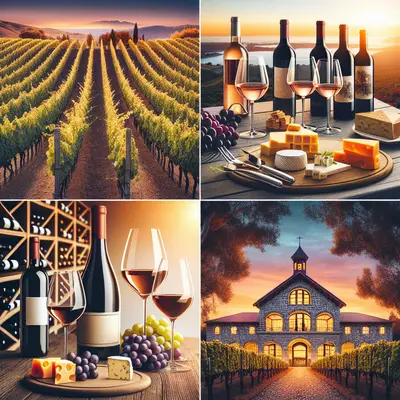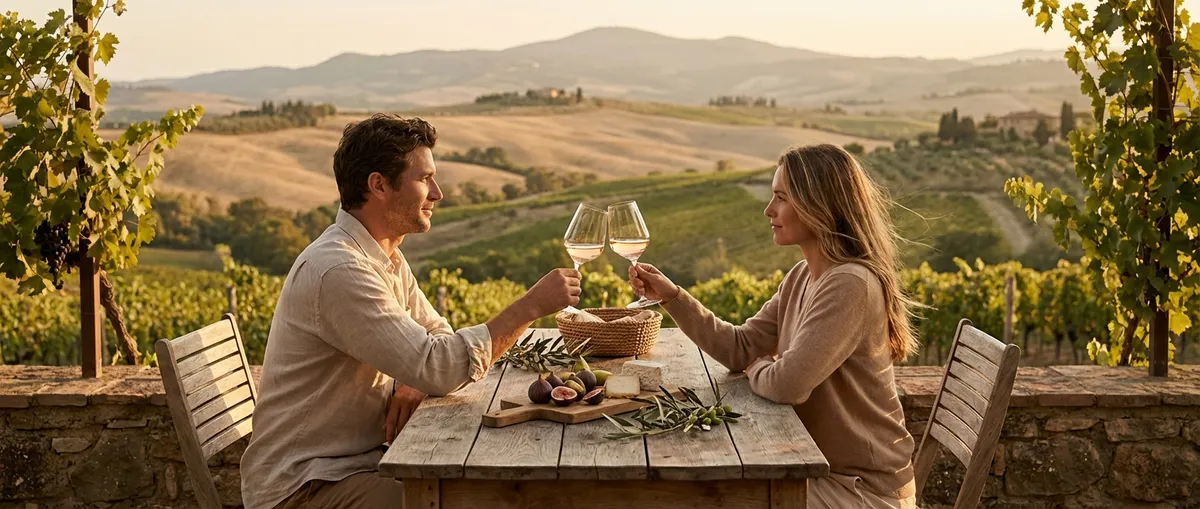
Wine tours, at their most refined, are less about ticking off famous labels and more about entering a living landscape of craftsmanship, history, and restrained luxury. For the traveler who seeks nuance over novelty, the vineyard becomes a stage where light, soil, time, and human intention converge in the glass. The true allure lies in the details—those subtle gestures and private moments that transform a visit from “tasting” into “belonging.”
Below, we explore how to curate a wine tour that feels deliberately exquisite, along with five exclusive insights that seasoned wine enthusiasts quietly prize.
Designing a Journey That Respects Time, Place, and Palate
The most memorable wine tours begin with a respect for time—your own and that of the estate. Rather than stacking four or five stops into a single day, limit yourself to two or three thoughtfully chosen visits. This slower cadence allows you to appreciate not only the wines but also the rhythm of the property: the silence between barrel halls, the changing light over the vines, the measured pace of those who live by the harvest.
Prioritize estate visits where vines, cellar, and hospitality all belong to the same house. This continuity allows you to follow the narrative of a wine from soil to bottle, rather than sampling disconnected labels in a single showroom. Seek out appointments that include a walk in the vineyard and access to production spaces; it is in these working areas—often modest, sometimes austere—that you begin to understand a producer’s soul.
Consider traveling slightly off-peak: shoulder seasons or midweek days often reveal a quieter, more authentic energy. Staff have more time to engage, winemakers are less hurried, and you are more likely to encounter moments that feel unplanned yet perfectly placed—a barrel sample still in contemplation, a blend being discussed in hushed tones, or a rare bottle opened because the mood, and the company, felt right.
Reading a Vineyard Like a Fine Text
A discerning wine traveler learns to “read” a vineyard the way a bibliophile reads a first edition. Look first to the contours of the land: Are the vines clinging to a precipitous hillside, or lying gently across a valley floor? Slope dictates drainage, sun exposure, and wind patterns—all of which shape the character of the wine in subtle but profound ways.
Notice the spacing and training of the vines. High-density plantings suggest a philosophy of competition and concentration; more generous spacing may indicate an emphasis on ripeness and approachability. Trellising systems—the way the vines are trained along wires or posts—reveal how the producer manages sun, shade, and airflow. On warmer sites, you may see canopies carefully sculpted to shield clusters from harsh afternoon light; in cooler regions, they may be opened to capture every possible ray.
Soil is more than a romantic notion; it is a tactile clue. When invited, take a small handful in your fingers. Is it chalky, crumbling into pale dust, or dark and loamy with organic matter? Does it smell of stone after rain or of forest floor? These impressions will often echo later in the glass as minerality, earthiness, or a certain lifted freshness. Ask to see soil pits or cross-sections; many estates proudly display them, a quiet testament to the layers of geology beneath your feet.
Inside the Cellar: Where Technique Becomes Texture
A premium wine tour is incomplete without time spent in the cellar—the threshold where agricultural raw material becomes a work of craft. Here, the choices are no longer topographical but technical: vessel, temperature, duration, and intervention. For the enthusiast, these decisions are not mere trivia; they are the architecture of texture and longevity.
Observe the proportions of oak, stainless steel, and concrete. Large, neutral casks preserve purity and finesse, while smaller barriques—especially new ones—impart spice, toast, and structure. Concrete eggs and amphorae, increasingly common in elite cellars, offer micro-oxygenation without wood influence, often enhancing tension and precision. Ask not only what is used, but why; the most thoughtful winemakers can speak of barrels and tanks the way a tailor speaks of fabric and cut.
Note the ambiance of the space: its temperature, its humidity, the scent that hangs in the air. A cool, steady climate is not just romantic; it is essential to slow, graceful maturation. If you are offered a barrel sample, focus less on obvious fruit and more on shape—how the wine moves across your palate, where it gathers, where it falls away. This embryonic form is a preview of the wine’s eventual elegance and aging potential.
Five Insider Insights for the Discerning Wine Traveler
Beneath every polished tasting room lies a series of quiet practices and subtleties that seasoned enthusiasts quietly watch for. These five insights reveal dimensions of a wine tour that casual visitors often overlook—but that serious wine lovers deeply appreciate.
1. The “Library Thread” Reveals a Estate’s True Voice
When an estate offers older vintages—often called library wines—pay close attention. Tasting across several years of the same cuvée is the most direct way to understand a producer’s integrity and consistency. Look for a recognizable “thread” that persists despite vintage variation: a certain aromatic profile, textural signature, or mineral line. This continuity signals a strong hand and a clear philosophy, especially valuable in regions where weather can be capricious.
2. Single-Parcel Bottlings Are a Masterclass in Nuance
Many top estates now bottle limited wines from specific parcels or single vineyards. These are not mere marketing curiosities; they are studies in micro-terroir. When you encounter such wines during a visit, taste them side by side with the estate’s broader blends. Notice how a slope, exposure, or soil type translates into subtle differences in structure, salinity, or aromatic complexity. This comparative moment, ideally guided by someone from the winemaking team, can be the highlight of an entire tour.
3. Elevation and Aspect Matter More Than Reputation
Prestige appellations may draw you in, but within a region, elevation and aspect often tell you more about a wine’s style than the name on the label. Seek out producers who work at the margins—higher, cooler, wind-swept sites, or protected pockets that ripen slowly. Ask for maps; many serious estates will gladly show you exactly where each parcel lies. Those who speak fluently about altitude, wind corridors, and diurnal shifts are usually the ones crafting wines of remarkable precision and grace.
4. The Glassware Is a Quiet Signal of Intent
Pay attention to what you drink from. Estates that invest in high-quality stemware, tailored to specific wine styles, are signaling that their focus is on fine detail. Thin stems, generous bowls, and shapes that flatter aromatics are not mere affectations; they demonstrate respect for the wine and the guest. If a property presents different glasses for sparkling, white, and red, or changes the glass for a flagship wine, you are in a place where nuance matters deeply.
5. The Most Valuable Conversation Often Happens After the Tasting
Many visitors leave as soon as the last wine is poured. The enthusiast lingers—respectfully—once the formal sequence is complete. It is in these unhurried minutes that you may be invited to see a yet-unfinished project, taste a fermenting lot, or hear candid thoughts about an upcoming vintage. Do not rush the final moment: a simple, informed question—about a challenging year, a change in farming practices, or a subtle shift in style—can open doors that scheduled programming never mentions.
Curating Exceptional Experiences in Established and Emerging Regions
Whether you are planning a classic route through Bordeaux or Napa, or seeking emerging frontiers in lesser-known corners of Europe, South America, or South Africa, the same principles of curation apply. Balance heritage with discovery: anchor your itinerary with a small number of benchmark estates, then weave in artisanal producers who are quietly redefining their regions.
Do your research using both official appellation resources and independent critics. Cross-reference maps, soil studies, and vintage reports; these tools help you look beyond the obvious and identify estates whose ambitions exceed their fame. In emerging regions, prioritize producers dedicated to site-expressive wines rather than heavy-handed oak or overt ripeness. Their cellars may be humbler, but the conversation is often more candid and exploratory.
Above all, consider partnering with local specialists who live within the rhythm of the vines. A driver-guide with deep relationships or a regional wine educator can transform a day of appointments into a coherent narrative, ensuring that each visit builds gracefully on the last. The result is not a random sequence of tastings, but a composed journey through style, geology, and philosophy.
Conclusion
A truly elevated wine tour is never only about the wines tasted; it is about the finely drawn experiences that surround them—the precision of a pour, the silence of a barrel hall, the texture of the soil on your fingers, the way late afternoon light settles over the vines. For the discerning traveler, these elements compose a kind of quiet luxury, one rooted in craftsmanship rather than spectacle.
By learning to read vineyards with the care of a connoisseur, to understand the meaning of cellar choices, and to recognize the subtle signals that separate the merely polished from the genuinely profound, you transform your journey from a sequence of visits into a study in place, time, and human intention. The reward is not just better wine—it is a deeper, lasting connection to the landscapes and people who bring it to life.
Sources
- Wine Institute – Winegrowing Regions of California - Overview of California’s diverse wine regions, climates, and geographies that informs thoughtful tour planning
- Bordeaux Wine Council (CIVB) - Detailed information on terroir, appellations, and vineyard conditions in Bordeaux, illustrating how soil, slope, and climate shape wine
- Napa Valley Vintners – Napa Valley Terroir - Insight into elevation, soil diversity, and microclimates in Napa, relevant to understanding vineyard selection and site expression
- University of California, Davis – Terroir and Wine Quality - Educational resource explaining the scientific underpinnings of terroir, soil, and climate as they relate to wine quality
- Decanter – Guide to Wine Cellar Aging - Discussion of cellar conditions, maturation, and aging potential that enriches understanding of barrel rooms and library wines
Key Takeaway
The most important thing to remember from this article is that this information can change how you think about Wine Tours.