There is a moment, just before the first pour, when a vineyard reveals itself without words. The light on the leaves, the hush of distant machinery in the fields, the faint echo of footsteps in a barrel hall—all of it suggests that the true luxury of a vineyard visit is not an Instagram-ready backdrop, but the rare chance to be fully present with a place, its people, and its wine.
For the traveler who seeks more than a checklist of “must-see” estates, vineyard visits become a study in nuance. The most memorable experiences are often the most understated: a grower quietly describing the season’s storms, a cellar master pausing to let you smell fermenting must, or the way a single vineyard wine tastes different when you can see the slope it came from. The following exclusive insights are crafted for those who want to move beyond casual tourism and step into the vineyard as a discerning guest.
Reading the Landscape: How to “Taste” the Vineyard Before the Wine
Before you even reach the tasting room, the vineyard is already speaking. A truly refined visit begins with learning to read the landscape as carefully as you would a label. Notice the angle of the slope and where the sun falls in late afternoon; a steep, south-facing hill may hint at ripe, concentrated fruit, while a cooler, shaded pocket may whisper of tension and minerality in the glass. The pattern of planting—tight rows, older vines with gnarled trunks, or younger, neatly trained plantings—suggests the estate’s balance between heritage and innovation.
Pay attention to what surrounds the vines as well. Wildflowers, cover crops, olive trees, or stone walls all play a role in the vineyard’s ecosystem, influencing everything from soil health to biodiversity. The presence of livestock or visible compost areas can signal a commitment to organic or biodynamic practices that will ultimately shape the wine’s character. When you taste later, recall what you observed outside: does the freshness of the breeze echo in the acidity? Does the warmth of the site appear in the texture and weight of the wine? This quiet act of connecting place to palate transforms your visit from passive sampling into an elevated, almost meditative form of travel.
Stepping Into the Working Day: Aligning Your Visit With the Vineyard’s Rhythm
Luxury in wine country is no longer defined by velvet ropes and scripted speeches; it is found in the privilege of witnessing authenticity. Aligning your visit with the real rhythm of the vineyard’s year can turn an ordinary tour into an experience that feels almost confidential. During harvest, there is a palpable electricity in the air: bins of fruit arriving at dawn, sorting tables in motion, the warm, heady scent of fermentation. If you time your trip carefully, some estates will allow you to stand beside the team as they hand-sort grapes, or even taste juice at different stages of fermentation—a rare window into the wine’s formative days.
Outside of harvest, other moments offer equally nuanced insights. Winter pruning reveals the deliberate choices behind vine balance; a spring visit can showcase flowering and the fragile beginnings of a vintage, while late summer displays the final push toward ripeness. Requesting a visit that coincides with a specific vineyard task—pruning, canopy management, or bottling—signals that you are not merely there for a photo, but to understand the craft. Discreetly observing the tempo of work, the interactions among the team, and the estate’s calm (or lack thereof) under pressure tells you more about the winery’s philosophy than any brochure could.
Private, Not Performative: Curating Discreet Tasting Experiences
For the discerning traveler, privacy is more than a preference; it is a conduit to depth. The most rewarding vineyard tastings are often the most carefully curated and least performative. Instead of a crowded bar with a scripted flight, seek out appointments that emphasize one-on-one conversation, limited group sizes, and enough time to genuinely explore the wines. Ask if the estate offers seated tastings away from the main room—a quiet terrace overlooking a single vineyard block, a library corner among older vintages, or even a table in the barrel hall.
A sophisticated tasting is not about quantity; it is about progression and context. Look for experiences that allow you to compare different parcels, vintages, or winemaking techniques side by side, ideally guided by someone deeply involved in production rather than purely in hospitality. The tone should feel more like an intimate salon than a sales pitch: thoughtful pauses, space for your impressions, and a willingness to open a bottle that isn’t on the standard menu if the conversation leads there. These understated gestures—an unscheduled library pour, an off-list single parcel bottling—are the real hallmarks of a premium visit, designed not for spectacle, but for the guest who is paying close attention.
Beyond Labels: Asking the Questions Serious Enthusiasts Quietly Rely On
The questions you ask in the vineyard and cellar are a subtle signal of your seriousness—and a key to unlocking richer, more candid exchanges. Start with curiosity about decisions rather than outcomes. Instead of “Is this organic?” consider “How do you approach vineyard health and soil life?” This invites a nuanced answer and gives the producer permission to share what they value most, whether it is regenerative agriculture, low-intervention winemaking, or a precise, scientifically driven approach.
In the cellar, you might ask how they choose between oak and stainless steel, or how long the wines stay on lees, and how those choices appear in the glass. When tasting, inquire which wine best expresses the estate’s identity in a challenging year; the answer often reveals the bottle they are most proud of, not necessarily the most expensive one. Thoughtful questions demonstrate respect without pretense, and in return, you will often be entrusted with stories not found on the website—details about experimental parcels, upcoming releases, or the vintages the estate quietly believes will age the longest. These are the insights that transform a visit into an insider experience, without ever needing to say the word “insider.”
Preserving the Memory: Elevating the Way You Record and Revisit Each Estate
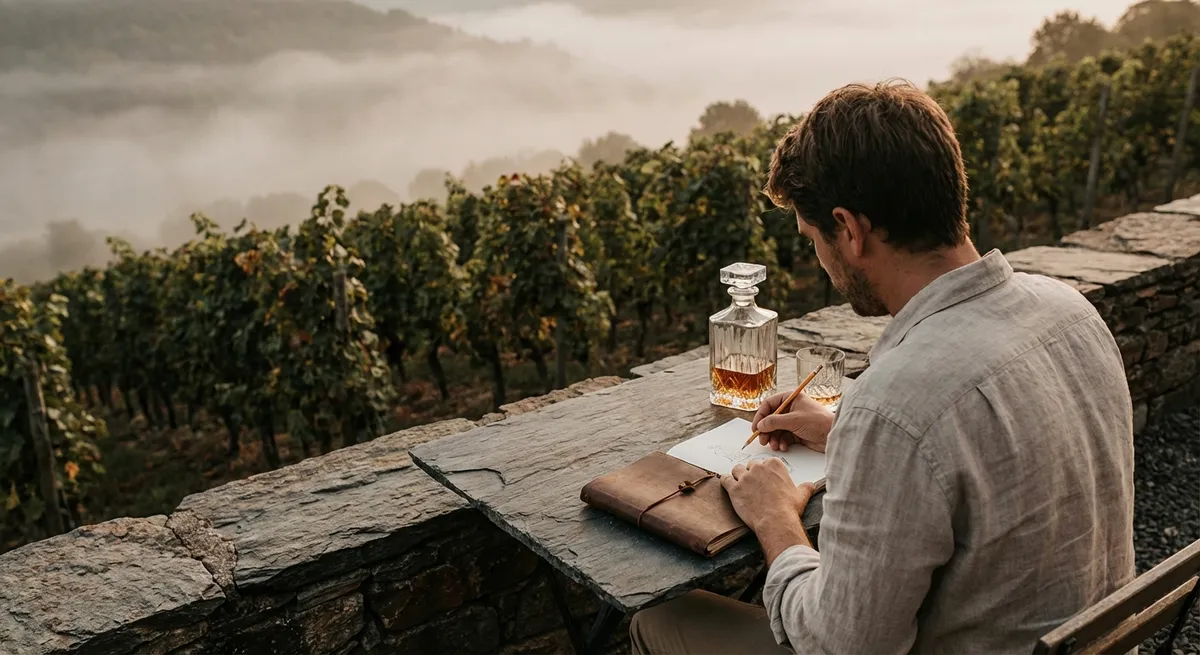
The most refined vineyard visits continue long after you leave the property. How you document and revisit the experience can be as considered as the visit itself. Instead of hurried photos and scattered notes, create a simple but elegant record: the time of day, the light, the particular parcel you walked through, the vintages you tasted, and one or two sensory impressions that stood out—a specific spice note, the sound of gravel underfoot, the way the air cooled as you entered the cellar. This becomes a personal atlas of your travels, richer than any generic review.
When you open a bottle from that estate months or years later, return to those notes and images. Share the story with friends: the slope, the soil, the winemaker’s quiet comment about the vintage’s early frost. On social media, an elevated approach favors narrative over noise—pair a single, carefully chosen image with a short reflection that captures the essence of the visit rather than every detail. This not only honors the estate but also positions you as a thoughtful traveler whose recommendations carry weight. Over time, your collection of vineyard memories forms a curated, deeply personal map of wine country—a testament to the fact that the truest luxury of these visits is the depth of connection they leave behind.
Conclusion
A vineyard visit, at its finest, is not a performance staged for visitors but a brief, privileged immersion into an ongoing story. The attentive traveler learns to read the landscape, align with the rhythm of the season, favor private over performative experiences, ask questions that invite real dialogue, and preserve memories with intention.
In doing so, each estate becomes more than a dot on a map; it becomes a place you can taste again, long after you have left, in the quiet swirl of a glass and the remembered contours of a hillside. This is the quietest luxury of wine travel—and the one that lingers the longest.
Key Takeaway
The most important thing to remember from this article is that this information can change how you think about Vineyard Visits.