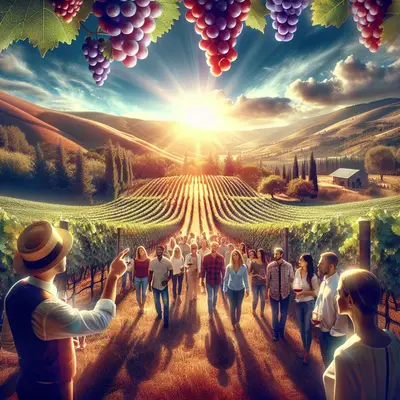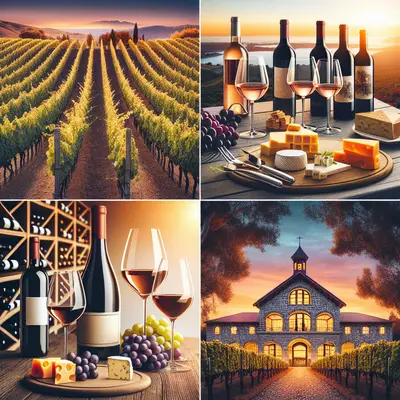
Wine tours are no longer merely about sipping and sightseeing. For the discerning traveler, they are immersive, choreographed experiences where terroir, architecture, hospitality, and time itself converge in the glass. At Wine Tour Adventures, we view each journey not as an itinerary, but as a narrative: a quiet sequence of moments that reveals the true personality of a region and its most thoughtful producers.
Below, we explore how to elevate your next wine tour from pleasant to unforgettable—highlighting five exclusive insights that serious enthusiasts will recognize and appreciate.
Designing a Journey Around Terroir, Not Just Labels
Many travelers instinctively plan tours around famous names and critic scores. A more nuanced approach begins with terroir: the interplay of soil, climate, exposure, and elevation that shapes every bottle.
Rather than selecting “the best wineries,” design your route around a specific hillside, valley floor, or sub‑appellation. Spend time with producers who share the same slope but farm differently—one organic, another biodynamic, a third relying on precision viticulture. Tasting within a tightly defined geographic area reveals how farming philosophy, vine age, and harvest decisions can create radically different expressions from the same patch of earth.
A terroir‑driven itinerary also slows the pace. Fewer stops, more depth. It allows for walking the rows, feeling the soil underfoot, sensing subtle shifts in temperature and wind. By the time you reach the tasting room, the wines feel less like products and more like a direct conversation with the landscape.
Exclusive insight #1: Ask to taste “micro‑comparisons”: same grape, same vintage, but different parcels within the vineyard. This is where terroir becomes tangible, even for an experienced palate.
Timing Your Visit with the Vineyard’s Natural Calendar
Most visitors choose wine tours by vacation dates. Enthusiasts, however, choose by the vineyard’s calendar. The same region can feel like a different world depending on the season, and the truly elevated experiences are often found outside peak tourist weeks.
Late winter and early spring offer a quiet, almost contemplative intimacy. With bare vines and fewer visitors, winemakers have more time to talk through barrel samples, blending decisions, and long‑term aging strategies. The focus shifts from scenic abundance to technical nuance—ideal for guests who want to probe deeper into the craft.
Harvest is electric, but chaotic; for a premium experience, aim for the shoulder of the harvest window, when fruit is coming in but the team can still host you. In cooler regions, late summer evenings or early autumn mornings are ideal moments to witness picking, sorting, and the first fermentations—often accompanied by the ambient aroma of crushed fruit.
Exclusive insight #2: When booking, ask: “What will be happening in the cellar and vineyard the week I visit?” Let the winemaker’s answer guide your timing, rather than a generic high season.
Private Access to the “Working” Side of the Winery
Many tours are designed for broad appeal: polished tasting rooms, manicured lawns, rehearsed talking points. The discerning visitor seeks something else—the unvarnished, operational heart of the winery, where decisions are made and risks are taken.
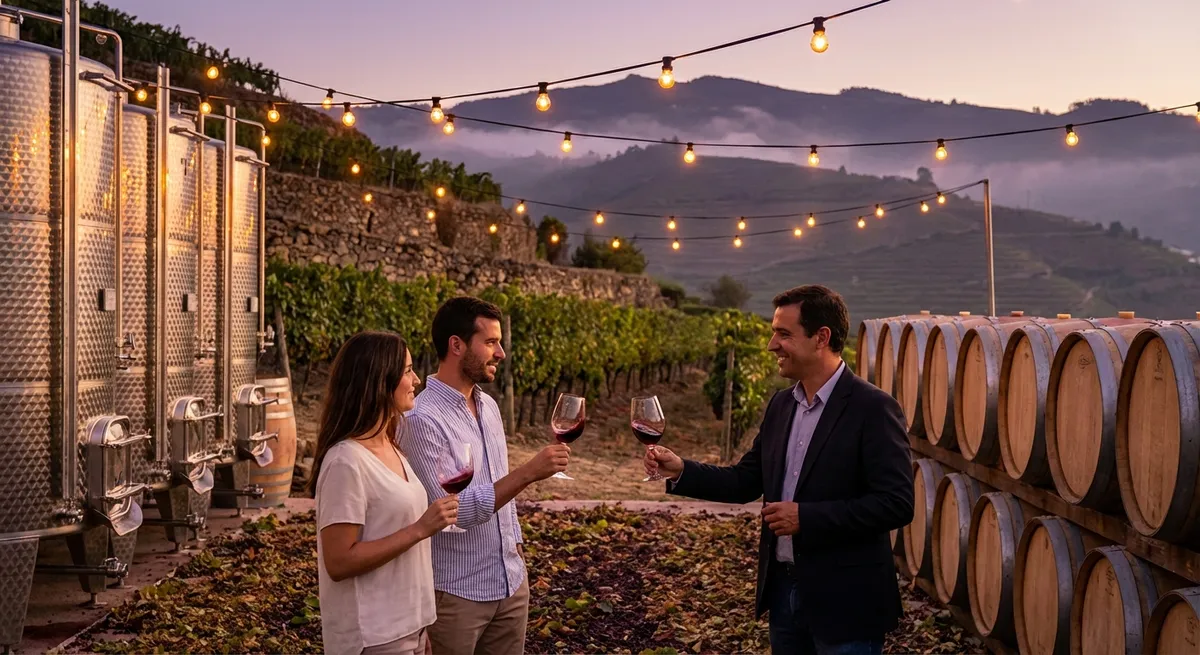
A premium, insider‑level tour includes time in the fermentation cellar during active work, not just quiet barrel halls. Observing pump‑overs, punch‑downs, or gentle gravity‑flow transfers reveals a producer’s philosophy more clearly than any marketing brochure. Listening to a cellar master explain why one tank is kept slightly warmer, or why a fermentation is allowed to proceed with native yeasts, unlocks a layer of understanding that can’t be gleaned from a standard tasting.
Barrel sampling, when offered thoughtfully, is another window into the work in progress. Tasting the same wine from different coopers, toast levels, or ages of oak demonstrates how élevage steers the final character—especially when you can circle back years later and recognize that early influence in a library release.
Exclusive insight #3: When arranging a visit, specifically request a cellar‑focused experience: “I’m very interested in fermentation and aging choices—could our visit emphasize the technical side, even if it means fewer wines?” Many serious estates will respond enthusiastically to this level of curiosity.
Curating Food Pairings That Mirror the Region’s Identity
A glass of wine alone speaks of the vineyard; a glass in context with local cuisine speaks of the culture. Elevated wine tours treat food pairing not as an add‑on, but as an essential dimension of understanding the region.
In classic regions, seek out estates that collaborate with local chefs or rely on historic family recipes. A simple plate of seasonal vegetables, local cheeses, or house‑cured charcuterie, chosen with intention, will often reveal more about the wine than a lavish, unfocused spread. The finest pairings echo the vineyard’s character: salt and minerality with wines from calcareous soils, delicate herbs with cool‑climate whites, slow‑braised dishes with structured reds.
In emerging or lesser‑known regions, culinary programs often become a statement of identity. Here, pairings can be thrillingly experimental—fermented ingredients, indigenous grains, unexpected spices—that challenge and expand your assumptions about what the local wines can do. Approached thoughtfully, this is not novelty for its own sake, but a serious exploration of flavor.
Exclusive insight #4: During your visit, ask to taste a wine both with and without a specific bite of food. Observing how structure, aromatics, and texture shift in real time will refine your palate far more than memorizing generic “red meat with red wine” rules.
Building a Personal Relationship with Producers and Their Cellars
The most meaningful wine tours are not about ticking off destinations; they are about cultivating long‑term relationships. Returning to a producer over the years—tasting each new vintage while revisiting older ones—creates a continuity that turns a favored estate into a personal reference point.
Many serious wineries quietly extend special courtesies to guests who demonstrate enduring interest: early access to limited cuvées, private tastings of back vintages, invitations to blending sessions or harvest celebrations. These are rarely advertised; they evolve organically from mutual respect and genuine engagement.
Treat each visit as the beginning of a dialogue. Take notes on vintages, vineyards, and impressions. Follow the estate’s releases and critical commentary. On your next visit, arrive with specific questions: “How did your canopy management change after the heat spikes of 20XX?” or “I noticed more whole‑cluster character in the last vintage—was that intentional?” Such questions signal that you are not a tourist, but a dedicated observer of their work.
Exclusive insight #5: Consider building a “vertical” with one or two producers you admire—purchasing multiple vintages of the same wine during repeated visits. Tasting that vertical side by side, perhaps during a future tour at the estate itself, is one of the most profound experiences a wine lover can have.
Conclusion
A truly elevated wine tour is not defined by luxury vehicles or elaborate architecture, but by depth: depth of access, of understanding, and of connection. When you anchor your journey in terroir, follow the rhythm of the vineyard year, step into the working cellar, taste through the lens of local cuisine, and cultivate long‑term relationships with producers, each visit becomes part of a larger, evolving story.
At Wine Tour Adventures, we believe that the most rewarding experiences are those that invite you behind the façade and into the quiet decision points that shape every bottle. Travel this way, and you will return not only with memorable wines, but with a richer, more intimate understanding of the places—and people—behind them.
Sources
- Wine Institute – U.S. Wine Regions and Terroir – Overview of how geography and climate influence wine styles across major regions
- UC Davis Department of Viticulture and Enology – Research‑based information on grape growing, winemaking practices, and sensory evaluation
- Institute of Masters of Wine – Understanding Terroir – Professional insights on terroir and its impact on wine character
- Decanter – How to Plan the Perfect Wine Trip – Practical guidance on structuring wine‑focused travel with a connoisseur’s mindset
- OIV (International Organisation of Vine and Wine) – International standards and reports on vine growing, wine production, and global wine regions
Key Takeaway
The most important thing to remember from this article is that this information can change how you think about Wine Tours.