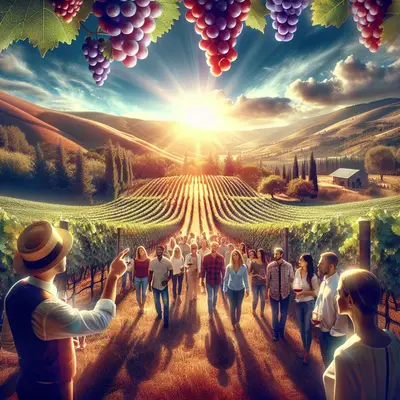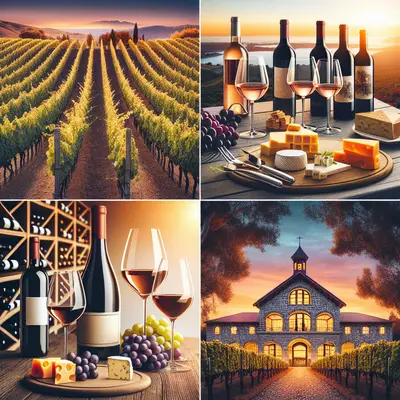
There is a quiet art to designing a wine tour that feels less like an itinerary and more like a private narrative unfolding between you, the landscape, and the glass. Beyond the standard tastings and postcard vistas lies a more rarefied experience—one shaped by timing, relationships, and nuanced choices that rarely appear in glossy brochures. For the devoted wine enthusiast, the difference between a pleasant visit and an unforgettable journey is found in precisely those details that most travelers never see.
The Architecture of Timing: When the Vineyard Reveals Its Soul
In the world’s great wine regions, time of day and time of year are as important as terroir. A mid-morning visit to a top estate offers a completely different lens than a late-afternoon appointment: cellars are quieter, winemakers are less rushed, and the light on the vines illuminates subtle contours you would never notice under the harshness of midday sun.
For those truly intent on understanding a region, consider structuring your tour around key moments in the viticultural calendar rather than peak tourist season. Budbreak reveals the architecture of the vineyard; veraison offers a vivid study in ripeness; post-harvest walks among yellowed leaves and bare canes show the skeletal essence of the terroir without distraction. When possible, pair a visit during a “non-glamour” period (winter pruning, for example) with a return at harvest. The contrast allows you to taste not only the finished wine, but the rhythm and rigor that shaped it.
Serious estates often extend their most thoughtful hospitality to guests who demonstrate an understanding of these cycles. When you request an appointment that aligns with their working calendar rather than your sightseeing schedule, you signal that you are there to engage with the craft, not simply consume the setting.
Reading Between the Rows: Vineyard Details That Change the Glass
The most rewarding moments on a wine tour often take place not in the tasting room, but between the vineyard rows. The trained eye can discern a wealth of information within a few meters of soil and vine—clues that explain why a wine feels the way it does long before it reaches your palate.
Observe the spacing and height of the vines: tightly planted rows in cooler climates may indicate a pursuit of concentration and competition among vines, while wider spacing on steep slopes can be a practical necessity as much as an aesthetic choice. Take note of canopy management—are leaves meticulously trimmed, exposing bunches to dappled light, or are they denser, preserving acidity and protecting from sunburn? These decisions quietly shape texture, freshness, and aromatic profile.
Even the ground cover tells a story. Permanent vegetation between rows often suggests a commitment to soil health, microbiodiversity, and erosion control; ploughed soils may reflect a more traditional, manual approach that demands significant labor. When you later taste the estate’s wines, you are no longer responding solely to aroma and flavor—you are recognizing the vineyard’s decisions as they appear in the glass.
Beyond the Flight: Tasting as a Dialogue, Not a Lineup
For the experienced enthusiast, the conventional “tasting flight” can feel limiting—swift pours, a rehearsed script, and a series of wines presented in isolation. To elevate the experience, approach tasting as a structured dialogue, one in which you guide the conversation as much as the host.
Rather than passively receiving information, ask to explore contrasts: the same grape from different parcels, different aging vessels on the same vintage, or younger wines alongside mature examples from the library. When possible, inquire whether the estate can open a bottle from a less obvious year—a so-called “difficult vintage.” These wines, born of challenge, often reveal the true skill of the winemaker and the resilience of the terroir.
Pay attention not only to what is poured, but what is not. If an estate speaks eloquently about a specific parcel yet does not routinely present its wine, ask why. Occasionally, these “off-menu” bottles—experimental cuvées, single-barrel selections, or older vintages reserved for family or trade—can be revealed to a guest who shows genuine curiosity and respect for the craft.
The Invisible Network: How Relationships Transform Access
While many wine regions can be discovered with a rental car and an open map, the most exceptional visits exist within an invisible network of introductions, reputations, and quiet recommendations. For the enthusiast seeking something beyond standard hospitality, a thoughtfully chosen intermediary—whether a specialist tour curator, a trusted sommelier, or a local wine merchant—can be invaluable.
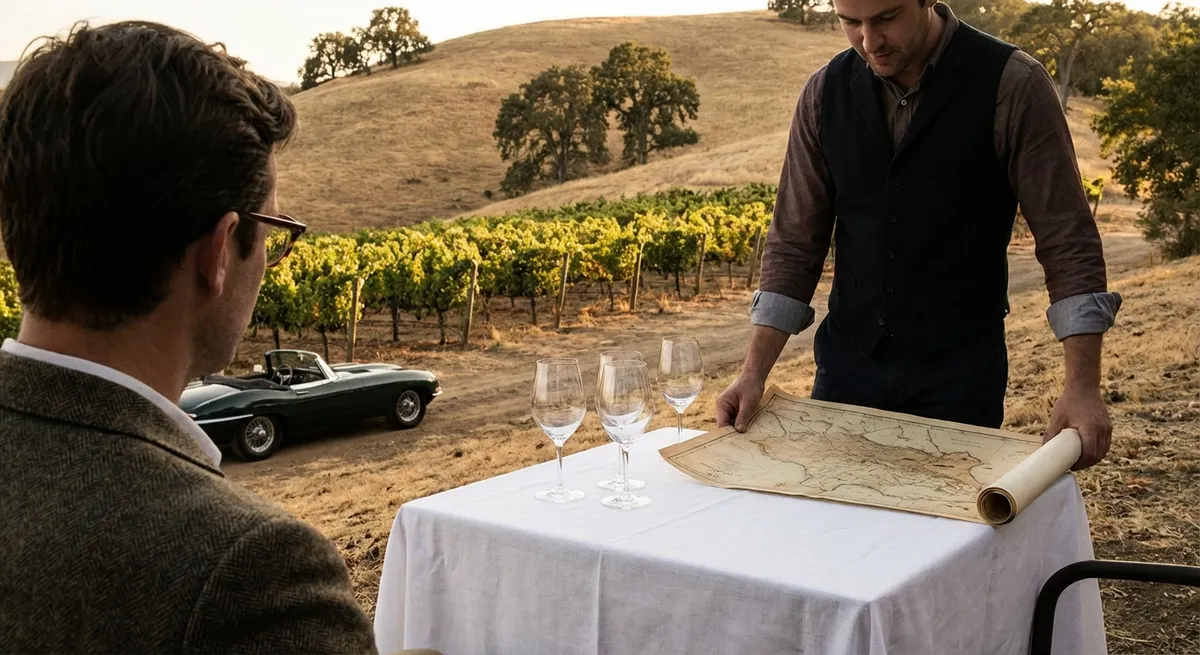
Producers who typically keep a low profile or decline walk-in visitors may open their doors when introduced by someone they trust. These visits rarely involve grand architecture or polished tasting rooms; instead, you might find yourself at a simple table in the cellar, surrounded by barrels, speaking directly with the vineyard manager or winemaker about a challenging harvest or a promising new parcel just coming into production.
Over time, returning to the same region, and even the same estates, builds a layered relationship that changes what you are offered and how you are received. A second or third visit is often when you are invited to taste unfinished wines from barrel, join a vineyard walk with the team, or sample bottles not otherwise available to the public. In these moments, the wine tour becomes less a transaction and more an ongoing conversation.
Five Exclusive Insights for the Devoted Enthusiast
For those seeking subtler, more privileged dimensions of wine touring, consider these lesser-known but highly revealing opportunities:
Request to Taste Base Wines or Components
In Champagne, traditional-method sparkling regions, and at estates experimenting with blending, ask—politely and in advance—whether you might taste base wines or components before assemblage. Experiencing still wines before bubbles or individual parcels before blending provides unparalleled insight into the building blocks of complexity.
Observe (or Inquire About) Fermentation Choices in Real Time
If you visit during harvest or fermentation, lightly ask if you may see active tanks or fermenters. Details such as temperature control, cap management in red fermentations, or the use of indigenous versus selected yeasts speak volumes about the producer’s philosophy. Even when tanks are closed, a conversation beside them can be technically rich and deeply illuminating.
Study Glassware and Serving Choices as a Window Into Intent
The shape and style of glassware deployed for each wine is rarely accidental at serious estates. Large-bowled stems for aromatic whites, narrower glasses for youthful, structured reds, or specific stemware for sparkling wines reflect a considered perspective on how the estate wishes you to experience its work. If different glasses appear during your visit, ask why—those decisions often reveal how the producer envisions the wine’s ideal context.
Explore the Library: Vertical Tasting as a Time Capsule
Where possible, request a focused mini-vertical of a single cuvée across multiple vintages. Even three or four years of the same wine can unveil shifts in climate, vineyard age, and stylistic evolution. Pay attention not just to obvious markers of age—color, tertiary aromas—but to how the estate’s hand has become more confident or restrained across time.
Seek Out Non-Flagship Bottlings for True Character
Icon wines and headline cuvées often receive the most attention, but it is frequently the so-called “village,” “second,” or experimental bottlings that reveal the unguarded identity of a producer. These wines may showcase younger parcels, alternative varietals, or new techniques, and they are often where innovation and honesty intersect. Tasting them side-by-side with the flagship labels can deepen your sense of the estate’s range and sincerity.
Designing Your Own Signature Route
A truly memorable wine tour emerges when technical curiosity and aesthetic pleasure are given equal weight. The goal is not simply to collect labels or visit famous names, but to weave together encounters that deepen your understanding of a region’s culture, history, and evolving climate reality.
Begin by clarifying what fascinates you most at this stage of your journey: Are you drawn to altitude and cool-climate expressions, to old vines and heritage varieties, or to cutting-edge sustainability practices? Then, build a route that juxtaposes established benchmarks with rising, smaller producers who challenge conventions. Allow time for detours—an unplanned stop at a small family cellar suggested by a sommelier, or a walk through vineyards at dusk after formal tastings end.
In the end, the finest wine tours are defined less by how many estates you visit and more by how deeply you engage with the ones you choose. When the memory of a trip lingers, it is rarely the list of appellations that stays with you—it is the echo of a conversation in a quiet cellar, the texture of the soil beneath your shoes, and the distinct impression that, for a moment, you were invited into the inner life of the wine.
Conclusion
For the sophisticated wine traveler, the true luxury of a wine tour lies not in ornate tasting rooms or rare bottles alone, but in access—to knowledge, to authenticity, and to the unhurried time required to appreciate both. By attending to timing, vineyard detail, human relationships, and the subtleties that most visitors overlook, you transform a series of visits into a coherent, deeply personal exploration. The vineyards may be open to many, but the experience you craft can be entirely your own.
Sources
- Wine Institute – World Wine Regions Overview – High-level perspective on major wine regions and their characteristics
- University of California, Davis – Viticulture and Enology Resources – Technical insights into vineyard management, fermentation, and winemaking choices
- Bordeaux Wine Council (CIVB) – Detailed information on terroirs, appellations, and vintage variation illustrating how place and time shape wine
- Comité Champagne – Official Champagne Website – Authoritative explanations of base wines, blending, and traditional-method sparkling production
- U.S. Department of Agriculture – Sustainable Winegrowing Practices – Background on soil, cover crops, and environmental practices relevant to interpreting vineyard choices
Key Takeaway
The most important thing to remember from this article is that this information can change how you think about Wine Tours.