Wine tours, when curated with discernment, can transcend simple sightseeing to become an immersion in place, craft, and time. The most memorable experiences rarely announce themselves with spectacle; they reveal their luxury through detail, restraint, and intimacy. For the devoted wine enthusiast, the distinction lies not in the number of wineries visited, but in the depth of connection at each stop—how the vineyard, the cellar, and the glass come together to tell one continuous story.
In this world, refinement is measured by access, pacing, and thoughtful curation rather than ostentation. A truly exceptional wine tour is not a checklist; it is a narrative. Below, we explore how to shape that narrative, followed by five exclusive insights that seasoned wine lovers quietly seek—and rarely find advertised on public itineraries.
Crafting a Tour That Moves at the Pace of a Fine Vintage
The most sophisticated wine tours are defined not by abundance, but by intention. Instead of chasing the maximum number of tastings in a day, the discerning traveler privileges time: time to explore the vineyard on foot, to linger over a single vintage, to ask nuanced questions without feeling rushed. This slower rhythm mirrors the patience inherent in winemaking itself—pruning in winter, waiting for optimal ripeness, nurturing wine through barrel and bottle age.
Thoughtful pacing also opens space for contrast. Visiting a small, family-owned estate after a storied, globally recognized producer invites reflection on style, philosophy, and scale. Shifting from sun-drenched slopes to cooler valley floors allows you to sense how microclimate shapes texture and structure in the glass. When your day is arranged with deliberate variety—soil types, elevations, winemaking approaches—each stop enhances the last, rather than blending into a haze of similar impressions.
Logistics, too, should feel invisible yet impeccable. Premium transport, seamless timing between visits, and hosts who anticipate when you need a quiet moment or a glass of water signal that your comfort is not an afterthought but a design principle. The result is a tour that feels less like a schedule and more like a beautifully composed journey, unfolding with the unhurried calm of a well-decanted wine.
Behind the Label: Seeking Producers with a Distinct Point of View
Exceptional tours begin with exceptional producers—wineries that do more than make good wine; they articulate a clear, coherent vision. These estates may not always be the most famous names in a region, but they are the ones whose wines speak with personality and precision, year after year. Their choices—organic or biodynamic farming, restrained oak use, single-vineyard bottlings, low-intervention techniques—are never mere trends; they’re expressions of a deeply held philosophy.
Visiting such producers transforms your experience from passive tasting to engaged dialogue. Instead of generic commentary (“this pairs well with red meat”), you hear how a specific parcel of vines reacts in drought years, or why the winemaker chooses to harvest at dawn. You may learn how older vines contribute concentration and complexity, or how canopy management subtly shifts flavor toward freshness or ripeness.
Curating a tour around producers with strong identities also sharpens your own palate. You begin to recognize stylistic signatures: the luminous acidity of a high-elevation Chardonnay, the restrained power of a classic Cabernet, the textural nuance of a skin-contact white. You leave not just with bottles, but with a deeper understanding of why certain wines resonate with you—and how to seek them out elsewhere.
Five Exclusive Insights for the Devoted Wine Traveler
Within the world of premium wine touring, there are quiet privileges and revelations that rarely appear in brochures. These five insights reflect what seasoned enthusiasts cherish—and how you can thoughtfully seek similar experiences.
1. Vineyard Walks at the “Quiet Hours” of the Day
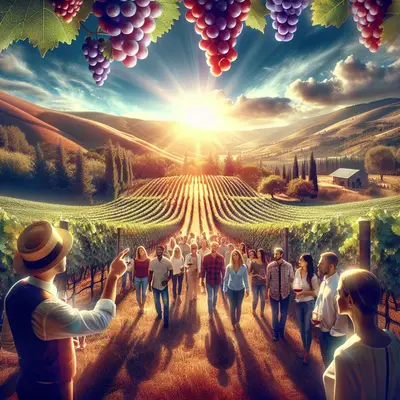
There is a profound difference between viewing vineyards from a tasting-room terrace and walking among the vines when the light is low and the estate is still. Early morning or late afternoon visits, arranged by special appointment, allow you to experience the vineyard in its most contemplative state. The air is cooler, the sounds softened: distant pruning shears, the rustle of leaves, the muted hum of cellar work beginning or winding down.
These “quiet hours” walks offer far more than aesthetic pleasure. With a knowledgeable host, you can examine soil profiles, compare vine spacing, observe training systems, and see how older and younger vines coexist. Details such as cover crops, erosion control, and canopy shading communicate the estate’s priorities—biodiversity, sustainability, or yield optimization. Tasting a wine later, while recalling the exact row where its grapes grew, transforms that glass into something intimately familiar.
Enthusiasts in the know often request vineyard walks specifically, and accept that they may require private arrangements and flexible timing. The reward is a level of connection that no panoramic viewpoint can equal.
2. Barrel Room Sessions That Contrast Vintages and Elevage
Standard cellar tours often include a cursory glance at barrels before moving swiftly to the tasting bar. More exclusive experiences, however, invite you into the nuance of élevage—the quiet, patient work of maturing wine. Private barrel room sessions that compare wines from different coopers, toast levels, or aging durations reveal how seemingly subtle choices alter structure, spice, and mouthfeel.
The most revealing format is comparative: tasting, for instance, the same wine aged in neutral oak versus new French oak, or comparing a wine aged in concrete to one raised entirely in stainless steel. Add vintage variation to the mix—cool versus warm years—and you begin to perceive the dialogue between nature and craftsmanship with striking clarity.
These sessions are rarely on standard tasting menus; they’re typically arranged for guests who express genuine technical curiosity. To access them, it helps to communicate your interest in winemaking details when you book—this often signals to the estate that you’re seeking depth, not just scenery.
3. Library Bottle Encounters That Reframe a Region
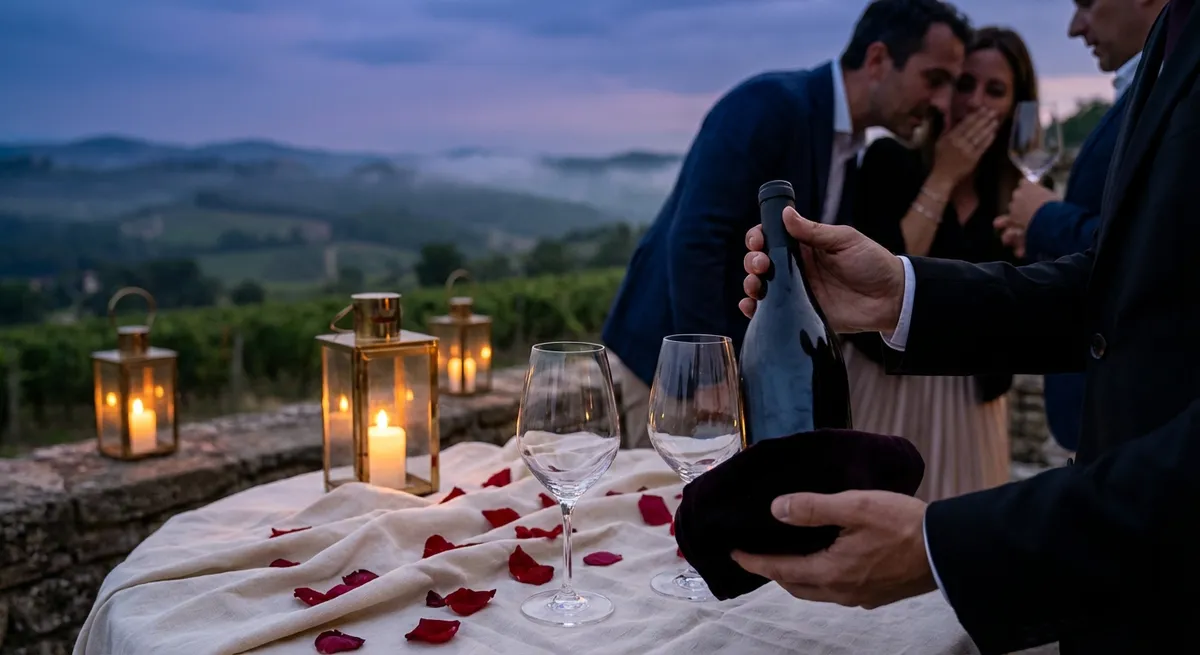
Nothing reveals the true pedigree of a winery—or a region—like well-cellared older vintages. While many tasting rooms focus on current releases, some estates maintain carefully guarded libraries, opened only on special request or for guests who demonstrate both interest and respect for mature wines.
Tasting a wine with a decade or more of age offers a quiet revelation: tannins melted into silk, primary fruit giving way to layers of earth, spice, and tertiary nuance. In these moments, you see beyond marketing narratives and vintage charts; you witness how the estate’s choices hold up over time. A region known for exuberant young wines may surprise you with its grace in maturity.
Securing a library pour often involves more than simply asking for “something old.” Enthusiasts who show familiarity with the estate’s history—perhaps referencing a particular celebrated vintage or vineyard—tend to be rewarded with a more tailored, thoughtful selection. This is where a well-researched tour pays dividends: preparation becomes access.
4. Food Pairing Moments Curated by the Estate, Not Just a Kitchen
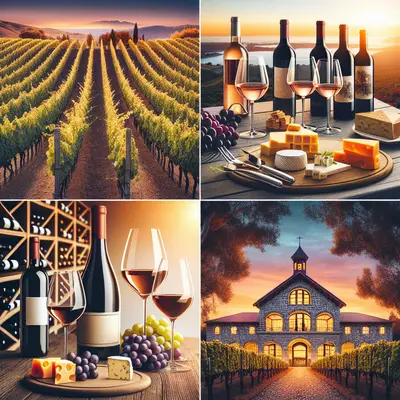
Many wineries now offer food pairings, but the most refined experiences are those in which the culinary dimension is not a separate attraction, but an extension of the wine philosophy. When estate chefs collaborate closely with winemakers, pairings become precise instruments for revealing structure, acidity, and aromatic complexity.
These pairings often highlight regional, seasonal ingredients in ways that mirror the wine’s own sense of place: olive oil from neighboring groves, cheeses from local dairies, heirloom vegetables grown within view of the vines. Instead of rich, overpowering dishes, you may find delicate courses designed to showcase texture—how a wine’s fine tannins interact with a silky egg yolk, or how its saline edge lifts a simple grilled fish.
Enthusiasts seeking these experiences should look for estates that speak of “gastronomic partnerships” or “estate gastronomy,” rather than generic “snacks” or “bites.” Inquiries about specific pairing philosophies—whether the chef tastes from barrel or designs menus around certain vintages—often reveal which wineries consider food an integral part of their hospitality.
5. Conversations That Go Beyond the Tasting Script
The rarest luxury in wine touring is not a limited-production bottling; it is unhurried, sincere conversation with the people who shape a wine’s identity. Winemakers, vineyard managers, and long-tenured cellar staff can illuminate aspects of the estate that no brochure captures: how they navigated a challenging vintage, what they changed after a difficult harvest, which parcel they consider the “soul” of the property.
These dialogues usually unfold when schedules allow and mutual curiosity is evident. Arriving with thoughtful questions—not just “What’s your most popular wine?” but “How did your approach to tannin management evolve over the last decade?”—signals the depth of your interest. In response, hosts may share barrel samples not normally poured, or stories that connect you directly to the human side of each bottle.
For the dedicated enthusiast, these conversations often become the most enduring memory of a tour. The experience shifts from consumption to connection: you are no longer an anonymous visitor, but a guest invited into the ongoing narrative of a living estate.
Conclusion
A truly refined wine tour is not assembled from a list of famous names; it is composed like a great blend, with balance, structure, and a clear sense of intent. The pleasures are often understated: the quiet of a vineyard at dawn, the cool hush of a barrel room, the measured cadence of a winemaker explaining why a single parcel matters so deeply.
By seeking out producers with strong identities, favoring depth over breadth, and quietly pursuing experiences such as vineyard walks, comparative barrel tastings, access to library bottles, estate-driven pairings, and genuine conversation, you move beyond tourism into something finer: a personal, enduring relationship with the places and people behind the wines you love.
The true luxury of a wine tour lies not in how much you see, but in how profoundly each moment resonates—long after the last bottle from your journey has been shared.
Sources
- Wine Institute – California Wine Country Tourism Overview – Background on wine tourism trends and the importance of curated experiences in major wine regions.
- Napa Valley Vintners – Winegrowing & Winemaking – Detailed look at vineyard practices, vintages, and cellar work that underpin many premium tour experiences.
- Bordeaux.com – Understanding Terroir and Appellations – Insight into how terroir, microclimate, and vineyard sites shape wine styles, useful context for vineyard-focused visits.
- Institute of Masters of Wine – The Maturation of Wine – Expert discussion of barrel aging, élevage, and bottle age, directly relevant to barrel tastings and library wine encounters.
- UC Davis Department of Viticulture and Enology – Authoritative educational resources on vine growing and winemaking, informing technical aspects of cellar and vineyard tours.
Key Takeaway
The most important thing to remember from this article is that this information can change how you think about Wine Tours.