There is a moment, just after the first swirl, when a great wine pauses on the rim of the glass and everything around you seems to soften. At truly premium wineries, that moment is not an accident—it is the result of meticulous choices, invisible preparations, and a culture of restrained excellence. For travelers who seek more than a photogenic vineyard backdrop, these estates are sanctuaries of detail, heritage, and precision. Here, refinement is not announced; it is implied in every texture, every pour, every silence between questions.
Where Architecture Becomes Part of the Tasting
At the most refined estates, architecture is not simply a backdrop; it is part of the wine’s narrative. The materials, lines, and light are chosen with the same care as a barrel regime or harvest date. A subterranean barrel hall may be engineered to maintain thermal stability without visible technology, while a glass pavilion might be positioned to align your line of sight with a specific slope or soil type.
Premium wineries increasingly collaborate with renowned architects and designers, using space to guide both mood and attention. A narrow corridor leading to a modest tasting room can create an intimate, contemplative feel, while a soaring hall with exposed concrete and oak evokes precision and modernity. Notice how acoustics are used: hushed, absorbent rooms invite focus on aroma and texture, while slightly livelier spaces encourage social conversation around the wine. As you travel, observe how seating, window placement, and even the weight of a door all work together to set the tempo of your experience.
The Silent Choreography Behind the Glass
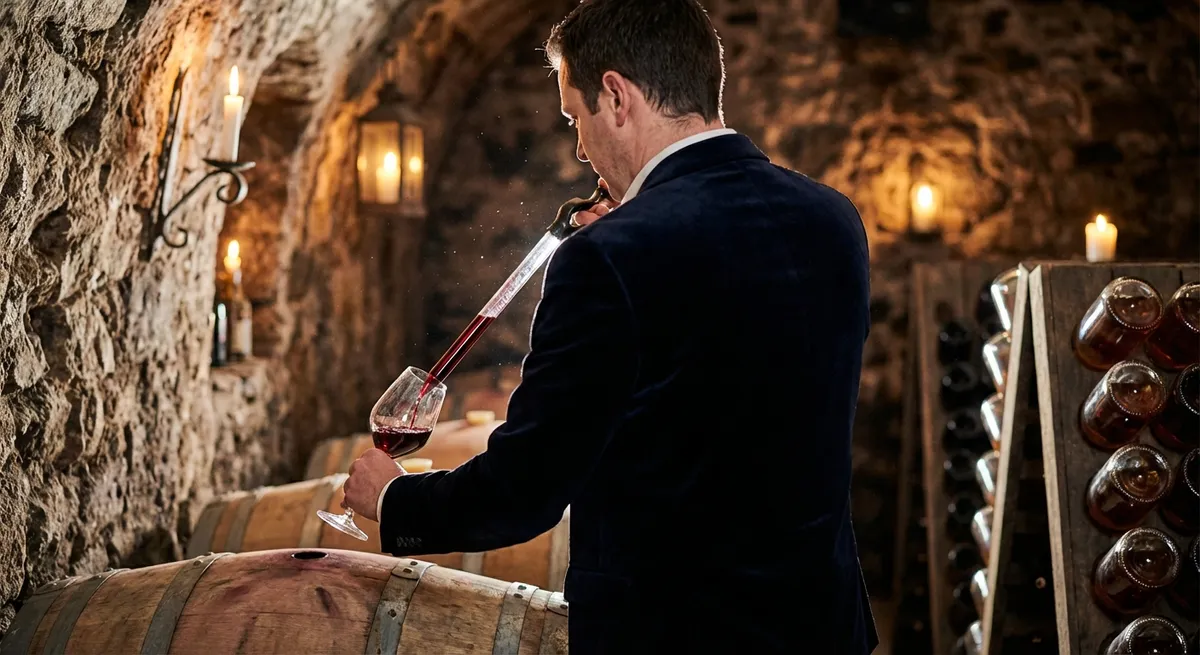
By the time a sommelier or host presents your glass, a finely tuned choreography has already unfolded behind the scenes. In elite cellars, service is engineered down to minute increments of time and temperature. Glassware is preselected not for brand impression alone, but for bowl shape, rim diameter, and the way each form interacts with specific varietals and blends. The texture of the stem, the lightness of the crystal, and even the way the base catches candlelight are deliberate.
Temperature management at this level is exacting. A grand cru white may be poured a few degrees warmer than expected to allow aromatics to unfurl, while a structured red might be ever so slightly cooler to emphasize energy and freshness. Decanting is not a reflex; it is a calculated choice based on producer style, vintage, and current evolution of the bottle. The best teams quietly adjust pour sizes, pacing, and flight order in real time, reading the table’s curiosity, experience level, and attention span. When done well, the choreography is invisible—you feel only that everything is precisely as it should be.
Five Exclusive Insights Seasoned Enthusiasts Notice
True connoisseurs understand that the difference between “high-end” and genuinely premium can be remarkably subtle. These five under-the-radar signals often reveal when you’ve stepped into a different league of winery experience:
1. Precision in Vineyard Storytelling, Not Marketing Slogans
Premium estates speak about land with the clarity of cartographers and the restraint of scientists. Instead of broad romantic claims about “sun-drenched slopes,” you may hear specific references to soil series, drainage patterns, rootstock selection, and canopy decisions in a particular block. The storytelling is still evocative, but it is grounded in verifiable detail: exact vineyard parcels, historical replanting decisions, and concrete climate data over decades.
An insider listens for this calibration—neither over-technical, nor vague and theatrical. When a guide can seamlessly connect a change in aspect or elevation with the shift you sense in the glass, you are hearing the voice of a property that takes its terroir seriously.
2. The Confidence to Pour Comparatively
Not every estate will set their flagship beside a neighbor’s bottle, but many of the most assured wineries embrace comparative tasting. They invite you to explore differences between vineyard plots, barrel treatments, or even regional benchmarks, trusting that their wines will stand on their own merit. Side-by-side tastings of multiple vintages, clones, or fermentation styles indicate a culture invested in education, not just persuasion.
Enthusiasts should pay attention to how such comparisons are framed. The most sophisticated hosts speak respectfully about other producers, highlighting stylistic diversity rather than superiority. This quiet confidence—and openness to context—is a strong indicator of a serious, self-aware cellar.
3. Evidence of Measured Restraint in the Cellar
While advanced technology now pervades even modest wineries, premium estates display a different trait: selective, thoughtful restraint. You may see optical sorters, temperature-controlled tanks, and state-of-the-art presses, yet the language around them emphasizes “guiding” rather than “engineering” the wine.
Insiders notice subtle choices: gentle extraction rather than aggressive pumping over; carefully neutral oak for certain cuvées instead of relentless new barrel usage; a willingness to embrace slightly lower alcohol levels in pursuit of balance. Premium wineries are increasingly transparent about decisions that favor nuance over immediate impact—a sign that they are crafting wines meant to reward patience, not just impress at first sip.
4. A Collection that Extends Beyond Their Own Labels
Look discreetly at what is open behind the bar or stacked in the private dining room. Many elite properties maintain significant collections from other top producers—sometimes from different regions or countries entirely. These bottles are tools for internal calibration, inspiration, and humility.
When a winery team regularly tastes benchmark wines from Burgundy, Barolo, Champagne, or Napa, they are studying global reference points rather than operating in isolation. If your host mentions a recent internal tasting of peers and icons, it often signals a culture of continuous learning, where winemakers measure themselves against the best, not just the local competition.
5. A Deliberate, Thoughtful Approach to Time
Time is the most valuable asset in fine wine, and premium estates display a distinct attitude toward it. This appears in obvious ways—extended aging in bottle before release, patient élevage in barrel—but also in how they design your visit. Tastings may begin with an older vintage to establish a sense of lineage, or they might end with a library wine served not as a “trophy pour,” but as a lens through which to understand younger offerings.
Enthusiasts also notice how a host responds when guests slow down: pausing to nose the glass longer, asking deeper questions, or revisiting an earlier wine. At premium wineries, your willingness to linger is welcomed, not hurried. The estate’s entire rhythm—harvest decisions, release schedules, and visit pacing—reflects an understanding that greatness in wine cannot be rushed.
Reading the Subtleties of Hospitality
What distinguishes a memorable premium visit is not theatrical pampering, but an almost bespoke attunement to the guest. Staff at top-tier estates are trained to read body language as carefully as tasting notes. They adjust the register of conversation—from geology and clonal selection to travel anecdotes—based on your cues, not a script. The best hospitality feels like an elegant conversation among equals, never a performance.
Details often reveal the depth of this culture: a quiet note taken about your glass preference, then honored at the next pour; a spontaneous adjustment of the tasting flight when they sense your interest in a particular varietal; or a discreet offer to revisit a wine after it has had more time to open. You leave not only with impressions of the wines, but with the feeling that your curiosity was taken seriously. That sense of being genuinely seen, rather than “handled,” is what keeps seasoned travelers returning to the same estates year after year.
Designing Your Own Premium Winery Journey
For travelers curating a refined wine tour, the most meaningful choices often occur before you step onto the property. Intentionally select a balance of established icons and rising, low-production estates; the conversation between these experiences can be revelatory. Prioritize visits that offer deeper formats—vertical tastings, vineyard walks, or library explorations—over superficial “flight and photo” stops.
Plan fewer, longer appointments instead of stacking multiple tastings in a single day. This allows you to appreciate the progression of aromas and textures in each glass, and to ask the second and third questions that elicit richer insights. Research estates that are known for precise viticulture, transparent winemaking reports, and thoughtful hospitality rather than simply for architectural spectacle. The reward is a journey where each visit feels like an essential chapter in your understanding of a region, not just another pin in a map.
Conclusion
At the highest level, premium wineries are less about opulence than about rigor, restraint, and intentionality. Architecture, service, viticulture, and time all converge to create spaces where every detail supports the wine in your glass. For those willing to look beyond obvious luxury, a more compelling story emerges—one written in soil maps, patient cellars, and the quiet confidence of teams who know precisely what they are trying to achieve.
As you plan your next journey with Wine Tour Adventures, consider seeking out these subtler signals of excellence. In the most refined cellars, the true luxury is not simply what you taste—it is how the experience deepens your understanding of what great wine can be.
Sources
- Wine Institute – World Wine Production and Consumption – Industry-level data that contextualizes the rarity of top-tier production
- Napa Valley Vintners – What Makes Napa Valley Unique – Overview of factors that contribute to premium wine regions and estates
- Bordeaux Wine Council (CIVB) – Understanding Terroir – Detailed explanation of terroir and how site expression shapes premium wines
- UC Davis Department of Viticulture & Enology – Research-based insights into advanced viticulture and enology practices used by leading wineries
- Decanter – Inside the Cellar: The Art of Maturation – Exploration of cellar decisions and aging strategies in fine wine production
Key Takeaway
The most important thing to remember from this article is that this information can change how you think about Premium Wineries.