Some wineries speak in headlines; premium wineries tend to whisper in details. They reveal themselves not in grand gestures, but in the weight of a handblown glass, the cadence of a cellar tour tailored to your curiosity, and the unspoken confidence of a producer who knows every vine by sight. For travelers who seek more than a checklist of famous labels, the world of premium wineries offers a different kind of luxury—measured less in spectacle, more in precision, provenance, and time.
This guide explores how to recognize and savor that world, with five exclusive insights that serious wine enthusiasts quietly prize—and that can transform your next wine tour from enjoyable to unforgettable.
The Signature of Place: Reading a Vineyard Like a First Edition
At a premium winery, “terroir” is not a slogan; it is the organizing principle. The best estates approach each parcel of land the way a collector approaches rare books—catalogued, cherished, and never mistaken for another edition. Walking the vineyards, you may notice subtle yet deliberate choices: a change in row orientation over a gentle slope, a distinct under-vine cover crop, or slightly wider spacing where airflow is critical.
Wine enthusiasts in the know often ask to see specific plots tied to the wines they admire. Instead of a generic vineyard stroll, request to visit the exact block behind a favorite cuvée or single-vineyard bottling. On site, pay attention to soil composition underfoot—chalk and limestone crumb under shoes differently from dense clay or rocky schist. Note how the winery manages canopy height and leaf pulling, which influences sun exposure and, ultimately, ripeness and aroma in the glass.
This focus on micro-differences is the hallmark of a serious estate. When you taste later in the cellar, you can trace a wine’s personality back to that hillside or benchland you just walked. That continuity—of geography translated into flavor—is one of the quietest yet most profound luxuries premium wineries offer.
The Art of Restraint: When Winemaking Is About What You Don’t Do
Prestige in wine is often mistaken for excess—more oak, more ripeness, more extraction. Yet at truly premium wineries, the most telling decisions are often subtractive. Minimal handling of the fruit, gentle pressing, native fermentations, and measured oak use are all signs of a winemaker confident enough to stand back and let the site speak.
As you tour a cellar, look beyond the romance of barrels and arches. Notice vessel diversity: concrete eggs, large-format foudres, neutral oak, or amphorae often signal a nuanced approach to texture and micro-oxygenation rather than an overt oak imprint. Ask how many times the wine is racked (moved from one vessel to another), or whether fining and filtration are used. The guiding question at many top estates is not “What can we add?” but “What can we avoid removing?”
Enthusiasts who dig deeper often request comparative tastings: the same vintage aged in different vessels, or a barrel sample next to the final blend. These experiences reveal the winery’s philosophy in real time—how delicately they calibrate tannin, aromatics, and structure. In the premium realm, finesse is rarely accidental; it’s the result of hundreds of small, disciplined refusals to overdo.
Time as the Ultimate Luxury: Cellar Access and Mature Library Wines
In an age of immediate releases and quick consumption, the truest luxury in wine is often time. Premium wineries understand that their most eloquent wines may take a decade or more to reveal their full complexity, and many maintain deep library collections to honor that arc of evolution.
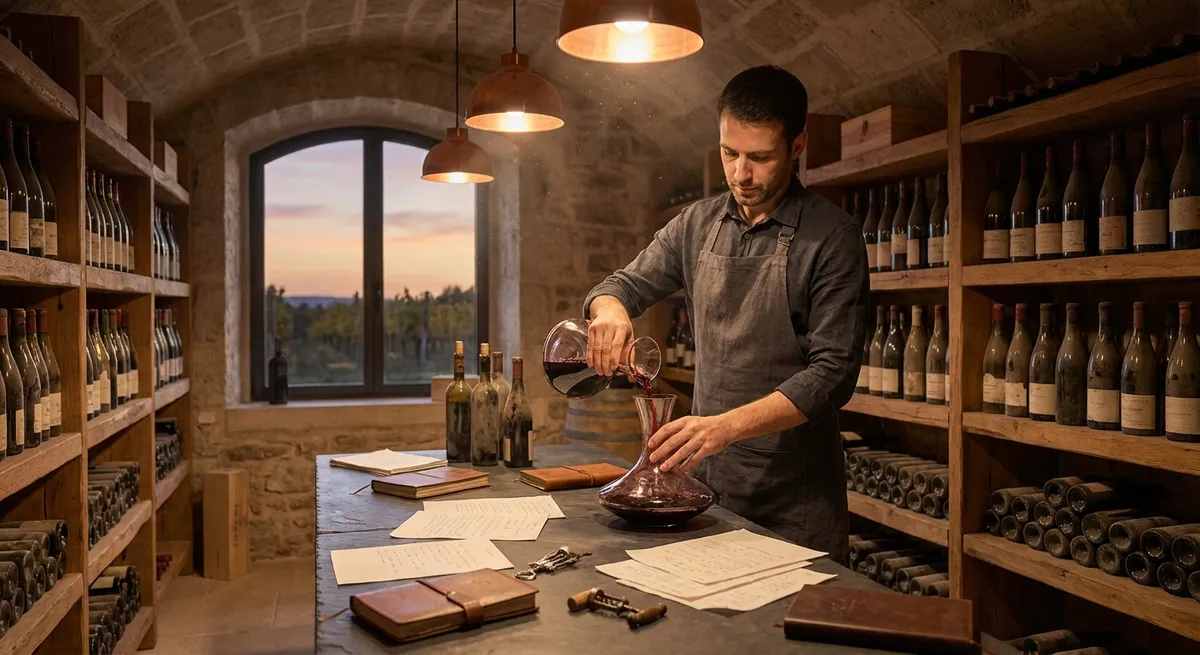
When arranging your visit, inquire discreetly about older vintages or “library experiences.” A serious estate may offer a side-by-side tasting of current and mature releases, revealing how their wines age: how primary fruit cedes center stage to savory notes, how tannins transform from angular to silken, and how tertiary aromas—dried flowers, forest floor, truffle, tobacco—emerge. For collectors, this is not just pleasure; it is calibration. You gauge ideal drinking windows, cellaring potential, and which vintages to seek on the secondary market.
Pay careful attention to how the winery speaks about less heralded years. Many premium producers take pride in making elegant, balanced wines even in challenging vintages, and those bottles can be some of the most nuanced—and underappreciated—on the table. Learning to taste vintage character over time is an advanced skill, and there is no better classroom than a curated library tasting in the very cellar where the bottles have quietly rested for years.
Precision in Hospitality: When Every Detail Reflects the Wine
At the highest level, hospitality at a premium winery becomes an extension of the winemaking ethos. The same precision that governs harvest decisions often appears in the smallest gestures of your visit. From the moment you arrive, the experience feels less like a tour and more like a tailored conversation.
Notice the choreography of the tasting itself: the progression of wines, the stemware choices, the serving temperatures, and the pacing. Top estates will adjust these elements to the day’s conditions and to your preferences. If you mention a particular interest—aged Riesling, single-vineyard Pinot Noir, or traditional-method sparkling wines—a thoughtful host may subtly reshape the lineup in response. They know exactly which cuvée will best speak to your curiosity.
Look, too, at the design language: understated architecture, beautifully restrained signage, acoustics that allow for unhurried dialogue instead of echoing noise. Premium wineries rarely rely on spectacle; instead, they invest in tranquility, comfort, and precision. For discerning visitors, this creates a space where you can truly listen to what is in the glass—without distractions—and ask the deeper questions that turn a pleasant visit into a lasting relationship.
Beyond the Label: Sustainability as a Marker of Seriousness
For many leading estates, sustainability is now woven into the definition of premium. Organic or biodynamic certification, regenerative farming, water conservation, and energy-efficient cellars are not just ethical choices; they are strategic commitments to preserving the character of their land for future generations of wines.
During your visit, go beyond the logo on the back label. Ask how the winery manages soil health, biodiversity, and pest pressure. Do they plant cover crops to foster beneficial insects and prevent erosion? Are they experimenting with drought-resistant rootstocks or adjusting canopy management to cope with shifting climates? Serious wineries often have detailed, long-term plans for adapting to climate change while safeguarding quality.
Enthusiasts appreciate that great wine is inseparable from a healthy vineyard ecosystem. Learning about a winery’s farming practices adds a further dimension to your tasting notes: that hint of wild herb may connect to a thoughtful cover crop mix; the wine’s freshness in a hot vintage may reflect restrained irrigation and careful harvest timing. In a premium context, sustainability is no longer a separate story—it is part of the wine’s identity, embedded in every bottle you open.
Conclusion
Premium wineries are not defined solely by price or prestige, but by an exacting standard carried through every decision—from vine row orientation to glassware selection. For travelers attuned to detail, these estates offer something rare: a chance to experience wine as a complete, coherent expression of place, craft, time, and hospitality.
By looking beyond surface impressions and engaging with the subtler signals—vineyard specificity, restrained winemaking, library access, precision in hosting, and meaningful sustainability—you move from simply visiting wineries to truly understanding them. And once you’ve tasted that level of intention, both in the glass and in the experience around it, every future wine tour is measured against that quiet, enduring benchmark of excellence.
Sources
- [Wine Institute – California Wine Statistics & Industry Info](https://wineinstitute.org/our-industry/statistics/) - Provides context on the scale and economics of premium wine regions, particularly in California
- [Institute of Masters of Wine – Terroir and Vineyard Management](https://www.mastersofwine.org/knowledge-and-resources) - Offers in-depth resources on terroir expression, vineyard practices, and wine quality
- [U.C. Davis Department of Viticulture and Enology](https://wineserver.ucdavis.edu/) - Leading academic research on viticulture, winemaking techniques, and their impact on wine style and quality
- [U.S. Environmental Protection Agency – Sustainable Management of Food & Agriculture](https://www.epa.gov/smm/sustainable-management-food) - Background on sustainability frameworks relevant to environmentally conscious wine production
- [OIV – International Organisation of Vine and Wine Publications](https://www.oiv.int/en/technical-standards-and-documents) - Technical standards and reports on global viticulture, enology, and climate-related adaptations in wine regions
Key Takeaway
The most important thing to remember from this article is that this information can change how you think about Premium Wineries.