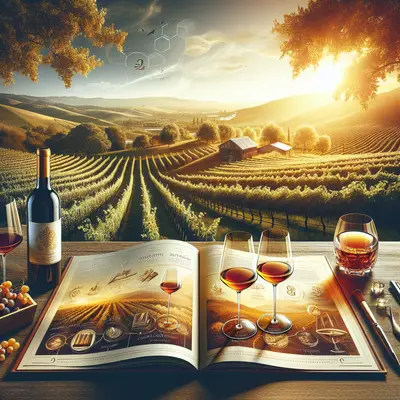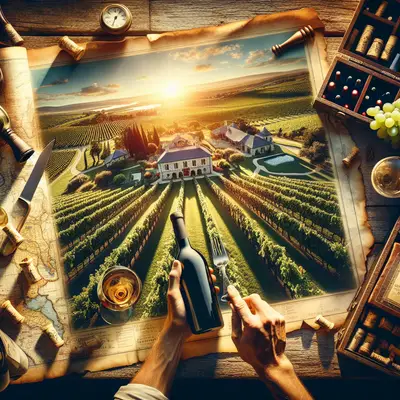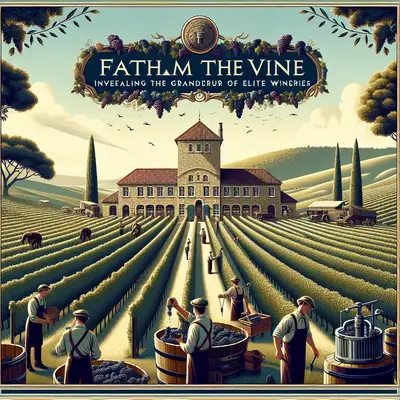
There is a tier of wineries that rarely chases the spotlight yet quietly defines the global standard for excellence. These are not simply beautiful estates with polished tasting rooms; they are carefully orchestrated ecosystems where viticulture, architecture, hospitality, and philosophy converge. For the traveler who seeks more than a photo opportunity—who values nuance, narrative, and precision—premium wineries offer a kind of quiet theater of detail. Step beyond the public façade, and you discover an inner world shaped by long horizons, exacting choices, and a deep respect for time.
The Architecture of Intention: Spaces That Shape the Senses
At truly premium wineries, architecture is not mere backdrop; it is a sensory instrument. Walls, light, acoustics, and even the texture of stone are orchestrated to influence how you encounter the wine. Many top estates now work with renowned architects and designers to craft spaces that guide the visitor from vineyard to glass in a deliberate progression: wide vistas to frame terroir, subdued thresholds to calm the mind, and focused tasting salons that feel almost meditative.
Temperature and light are meticulously controlled, not just in the cellar but also in the tasting environment. Soft, indirect lighting avoids casting color distortions in the glass, while materials such as limestone, oak, and wool are chosen for their acoustic softness—subduing echo so that conversation remains intimate. Windows often frame specific vineyard blocks, subtly teaching you to connect the glass in your hand with the landscape outside. The quiet luxury here is not ostentation, but the realization that every physical detail is working, almost invisibly, to refine your perception of the wine.
Time as a Luxury: The Art of Lingering in the Cellar
In an era of compressed schedules and back-to-back tastings, the most discerning wineries offer something increasingly rare: unhurried time. At this level, a visit is curated more like a private appointment than a generic tour. Fewer guests, longer windows, and a rhythm that allows each stage—vineyard walk, cellar visit, and seated tasting—to breathe. The result is a visit that feels more like an extended conversation than a transaction.
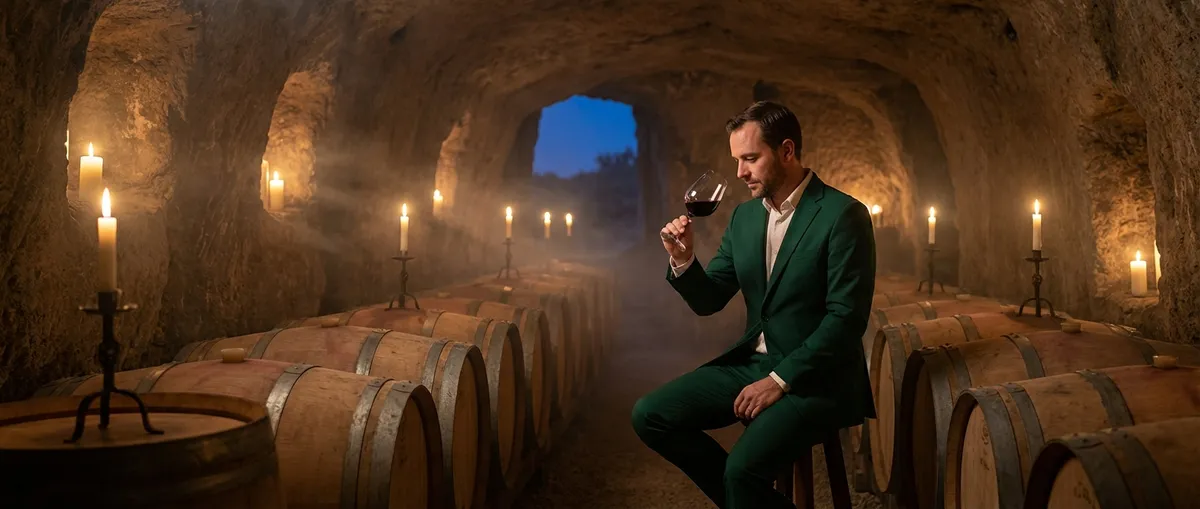
Bottlings are often presented across multiple vintages, encouraging you to consider not just what a wine is, but what it becomes. In barrel rooms, you may find comparative tastings of the same vintage in different cooperages or from distinct parcels, revealing choices that are normally hidden behind the label. The luxury here lies not just in exclusivity, but in the generosity of context: you are given the time to pay attention. Lingering with a glass over twenty or thirty minutes, watching it unfold, can be revelatory—especially when guided by someone who lived through the season that created it.
Precision in the Vineyard: The Quiet Discipline Behind the Glass
Premium wineries are increasingly transparent about what happens between pruning shears and press. Behind the manicured rows lies a rigorous, sometimes obsessive, regime of observation and restraint. It is common to encounter detailed vineyard maps, each block annotated with soil composition, clone selection, rootstock, and microclimate data. Some estates use aerial imaging and soil sensors, not as technological theater, but to make highly targeted, minimal interventions.
Those who pay attention will notice the subtle signs of this discipline. Vines may be trained higher for shade or pruned for lower yields, with bunches carefully thinned to focus concentration. Ground cover between rows is chosen not just for erosion control but to moderate vine vigor and encourage biodiversity. Sustainability and organic or biodynamic certifications are often the outward symbols of a deeper philosophy: that long-term excellence demands biological health, not just cosmetic perfection.
For the enthusiast, one of the most exclusive insights lies in listening carefully to how vineyard decisions are described. The most serious estates talk less about “style” and more about “response”—how pruning, canopy management, and harvest dates are adjusted to the subtleties of each vintage. Understanding this vocabulary transforms what’s in your glass from a luxury product into the culminating chapter of a year-long narrative.
Five Exclusive Insights for the Attentive Visitor
For those who seek more than a beautiful setting and a pleasant pour, premium wineries reward curiosity with layers of nuance. These five insights—often only fully appreciated in person—can quietly elevate your experience:
The Library Room Is the Winery’s True Biography
Many top-tier estates maintain a “library” or “vinothèque” where past vintages are kept under ideal conditions. If your host offers a glimpse—or better, a tasting—from this archive, you are being invited into the winery’s living memory. Mature bottles reveal whether the estate’s promise of age-worthiness is real. Pay attention to how vintages from different eras reflect shifts in climate, cellar philosophy, or vineyard practice; this is where marketing disappears and authenticity appears.
Barrel Choices Whisper the Winemaker’s Signature
Oak regimes at premium wineries are rarely accidental. Look for details: the proportion of new vs. used barrels, the diversity of coopers, and whether the winery uses larger formats like foudres or demi-muids. A lineup that includes the same wine aged in different woods or vessels (barrique, concrete, amphora) is a masterclass in texture and aroma. The more granular the explanation, the more likely you are in the presence of a cellar team that treats oak as a scalpel rather than a stamp.
Glassware Is an Index of Seriousness
At the highest level, glassware is not an afterthought. Some estates commission bespoke stemware specifically shaped for their key wines, while others partner with elite glassmakers for varietal or site-specific bowls. Notice if the glass changes as the tasting progresses: lighter, more delicate stems for aromatic whites; larger, more generous bowls for structured reds. When a winery invests in the right glass for each expression, it signals that they are willing to reveal both the wine’s strengths and its vulnerabilities.
The Best Stories Are About Decisions, Not Awards
While medals and scores are easy topics, the most enlightened wineries speak more eagerly about difficult choices: blocks they chose not to harvest, wines they declassified, or experiments that never went to market. When a host tells you why a certain cuvée skipped a vintage, or how a parcel was re-grafted at substantial cost, you are hearing the true language of quality. These stories of disciplined refusal and quiet correction are far more revealing than any wall of framed accolades.
Hospitality Teams Are Trained as Interpreters, Not Salespeople
At premium estates, your guide is often as deeply versed in soil types and fermentation profiles as they are in serving etiquette. Their role is to interpret complexity, matching the depth of information to your level of interest. Observe how readily they pivot between discussing cover crops, yeast selection, or shipping logistics, all while maintaining a sense of calm elegance. Their fluency is a reflection of the winery’s internal culture: where everyone, regardless of role, understands that hospitality is an extension of craftsmanship.
The Subtle Theater of Service and Ritual
Beyond the vineyard and cellar, premium wineries distinguish themselves through ritual—those refined, almost choreographed gestures that shape your visit without drawing attention to themselves. Glasses may be polished in your presence, not as performance, but as assurance that nothing interferes with aroma. Bottles are often opened tableside with quiet precision, labels turned toward you just so, pours measured to leave enough space in the bowl for proper aeration.
Temperature control is another hallmark. Whites and sparkling wines may arrive in perfectly chilled sleeves that preserve rather than shock; reds are often served slightly cooler than room temperature, trusting that they will relax in the glass. Decanting, when used, is purposeful: timed to match the pacing of the visit rather than deployed as a generalized gesture of sophistication. Even the order of wines can signal an elevated aesthetic, with some estates beginning not with light whites but with more textural or contemplative wines to focus the palate from the outset.
The most refined service is nearly invisible, defined by anticipation rather than interruption. Questions are welcomed, never rushed. Silence is allowed to exist between pours. Your preferences are subtly noted and, in some cases, reflected later—perhaps in an additional, unlisted bottle selected just for you. All of this builds a sense that you are not passing through a standard script, but participating in a carefully tailored experience.
Conclusion
To wander through premium wineries with open eyes is to discover that excellence is not a single attribute, but a constellation of considered choices. From the way light falls in the tasting room to the way stories of failed experiments are shared without defensiveness, each detail reveals a mindset that values refinement over spectacle, and longevity over trend. For the traveler who cherishes depth and discretion, these estates offer more than beautiful wines; they offer a way of experiencing time, place, and craft at their most articulate.
The next time you step onto a storied estate, listen for what is not being said as much as for what is recited. Look for the library corridors, the quietly complex barrel lineups, the glass that feels almost weightless in your hand. It is in these subtle corners that the true character of a premium winery comes into focus—and where the most enduring memories of a wine journey are quietly made.
Sources
- UC Davis Viticulture and Enology – Winegrowing Resources - Technical insights into vineyard management, fermentation, and winemaking practices from a leading research institution
- Wine Institute – Sustainable Winegrowing Overview - Background on sustainability frameworks and practices adopted by many premium wineries
- International Organisation of Vine and Wine (OIV) - Global reference for standards, research, and guidelines in viticulture and oenology
- Decanter – The Role of Oak in Winemaking - In-depth discussion of oak choices and their influence on wine style and structure
- JancisRobinson.com – The Importance of Wine Glass Shape - Exploration of how glassware design affects aroma, flavor perception, and the tasting experience
Key Takeaway
The most important thing to remember from this article is that this information can change how you think about Premium Wineries.