The most extraordinary wineries rarely need to announce themselves. They exist in a quiet orbit above the obvious, where polished hospitality, meticulous viticulture, and restrained confidence intersect. For the traveler who prefers linen over logos and craftsmanship over spectacle, premium wineries offer not just wine, but a meticulously choreographed sense of place. This is a world of softly spoken service, hushed barrel rooms, and vineyards treated with the reverence usually reserved for fine art. Step inside, and the experience is less about opulence on display and more about the quiet assurance that every detail has been considered long before you arrive.
The Architecture of Restraint: Design That Serves the Wine
At truly premium estates, architecture rarely shouts—it murmurs. The buildings are often composed to disappear into the landscape: stone that echoes the surrounding hillsides, weathered wood that could have been standing for decades, glass walls that frame rows of vines like a living gallery. The design brief is simple yet demanding: every element must respect the wine.
Temperature-stable underground cellars, gravity-flow wineries, and naturally ventilated barrel halls are not just aesthetic decisions; they are technical solutions that minimize intervention and preserve purity. Some properties bury their production spaces into hillsides to harness the earth’s natural insulation; others orient tasting rooms to track the movement of light over the vines, subtly influencing how you perceive color in the glass. The architecture becomes a silent collaborator in your tasting, directing how you move, where you linger, and how deeply you connect with the landscape. This is elegance by subtraction—nothing extraneous, nothing accidental.
Vineyards as Haute Couture: Precision Farming in Every Parcel
Premium wineries treat their vineyards more like bespoke ateliers than agricultural fields. Blocks are dissected by soil type, sun exposure, drainage pattern, and airflow, then farmed with a level of nuance that borders on obsessive. It is not unusual for a single hillside to be divided into numerous micro-parcels, each harvested at a different moment to capture a precise interplay of acidity, ripeness, and aromatic intensity.
Cover crops are chosen not only for erosion control but for their impact on soil microbiology and vine vigor. Drip irrigation, where used, is calibrated to the liter, and many top estates are moving toward dry farming to coax deeper root systems and more profound site expression. Sustainability certifications—organic, biodynamic, or regenerative—are no longer marketing statements but philosophical baselines. The result is fruit that carries a clear, articulate voice of its origin rather than a generic “regional” accent. For the attentive guest, walking the vineyard with a viticulturist can be as revealing as any tasting—every row tells a story of decisions, trade-offs, and long-term vision.
Exclusive Insight #1:
In ultra-premium vineyards, harvest is often conducted in multiple “passes” through the same rows—sometimes three or more times—to collect clusters at slightly different stages of maturity. Later, these lots are blended to achieve a layered, textural complexity that a single picking date could never deliver.
The Invisible Craft: Cellar Decisions You Never See
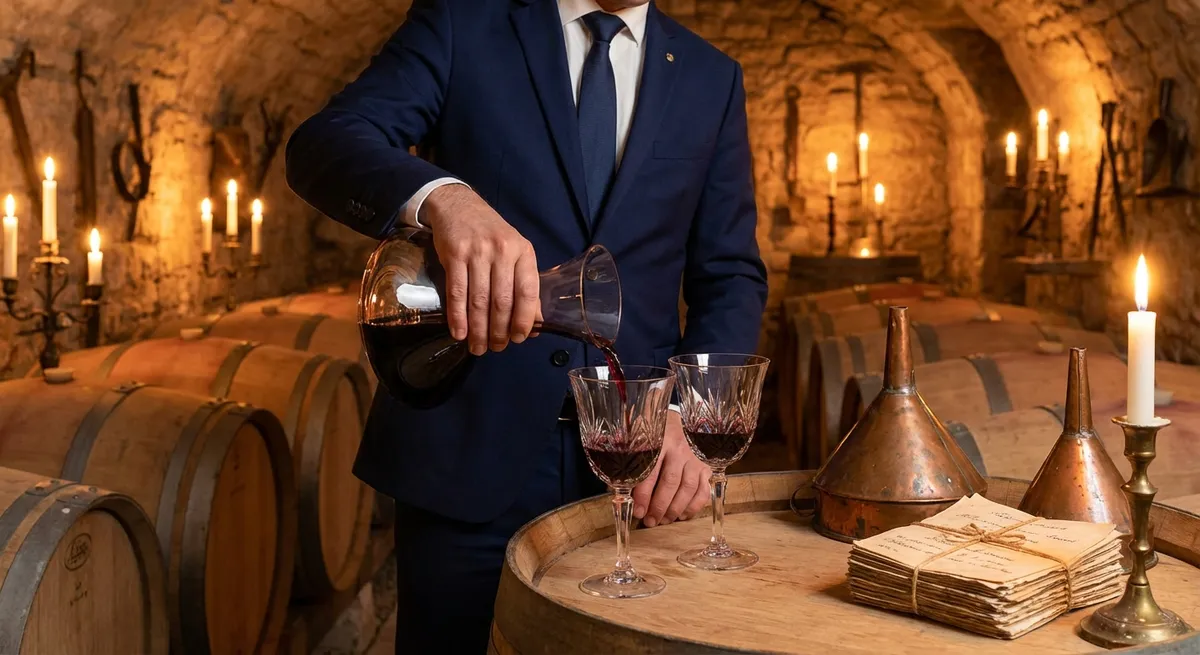
The cellar of a premium winery is not a stage for theatrics; it is a workshop of quiet precision. Fermentation choices—stainless steel versus concrete versus oak, ambient yeast versus inoculation, whole-cluster versus destemmed fruit—are orchestrated with the discipline of a minimalist composer. Every decision must justify its existence in the glass.
Barrel programs at the highest level read like a tailor’s ledger: coopers, forests, grain tightness, toasting levels, and barrel age are meticulously tracked. Some estates maintain long-term relationships with specific coopers, commissioning custom toast profiles that are never replicated elsewhere. Elevage—the period when wine rests in barrel, amphora, or tank—is guided not by a standard formula but by feel: tastings every few weeks, whispered debates over texture, tannin integration, and aromatic lift.
Exclusive Insight #2:
Many premium wineries intentionally keep a portion of their barrels “neutral” (used for multiple seasons) so the wood contributes structure and oxygen exchange without imposing obvious flavor. The finest wines often emerge from a precise blend of new and neutral oak, calibrated to accent, not dominate, the fruit.
Hospitality by Intuition: Service That Anticipates, Not Performs
What distinguishes a premium winery visit is not how much you are shown, but how intuitively you are understood. The most accomplished hosts possess a kind of cultivated empathy: they read body language, notice what you linger over, and adjust the experience in real time. Your tasting may begin seated rather than standing, with a glass of something perfectly chilled and precisely timed to reset your senses after travel. Questions feel conversational rather than scripted; your preferences are gently elicited, never interrogated.
Hospitality is choreographed but never rigid. Glassware is chosen to complement each wine style, with stem shapes that subtly enhance aromatics or texture. The pacing of pours allows you to sit with a wine rather than rush through it; spittoons are provided with quiet assurance, never pressure. For those who appreciate privacy, premium estates often arrange semi-secluded spaces—terraces overlooking a single vineyard block, library rooms lined with past vintages, or tasting nooks tucked beside a barrel row—so the experience feels personal, not performative.
Exclusive Insight #3:
At top-tier properties, your host often has direct input into, or training from, the winemaking team. This means they can translate technical cellar decisions into elegant, relatable language—bridging the gap between the science in the barrel room and the emotion in your glass.
The Art of Allocation: Rarity, Authentic Scarcity, and Access
In the premium tier, scarcity is not a strategy invented for marketing; it is the natural consequence of meticulous production. Low yields, strict fruit selection, and limited parcels of exceptional terroir mean there is only so much wine to go around. As a result, many of the most coveted bottles are allocated rather than broadly distributed, with priority given to long-standing clients, members, and certain markets.
For the discerning traveler, visiting these estates is often the most direct way to access library vintages, single-parcel bottlings, or experimental cuvées that never reach retail shelves. Allocations are managed with surprising long-term thinking: wineries track not just purchase history but engagement—who visits regularly, who cares about the story behind each vintage, who opens bottles thoughtfully rather than treating them as trophies.
Exclusive Insight #4:
Some premium wineries quietly reserve micro-allocations exclusively for on-site visitors—small-production wines, alternative varietal expressions, or older vintages that are not listed online. Asking, calmly and respectfully, if there is anything “tasting room only” often reveals a hidden tier of the portfolio.
Curating Time: Designing a Premium Winery Day With Intention
Experiencing premium wineries at their best is not about stacking as many visits into a day as possible; it is about creating enough space to truly notice. Three unhurried visits—morning, mid-day, and late afternoon—often yield more insight than six rushed appointments. Begin with an estate that offers a vineyard walk, when the light is soft and the air cool; move to a property where a seated tasting can be paired with a refined, simple lunch; conclude with a winery whose terrace captures the late-afternoon glow over the vines.
Transportation, too, becomes part of the experience. A dedicated driver or private transfer allows you to engage fully without concern, while also arriving at each appointment composed rather than hurried. Premium wineries appreciate punctuality and calm energy; arriving flustered can disrupt the subtle rhythm they have designed for your visit. Capturing the day for social media becomes less about posed photos and more about atmosphere—morning mist over the vines, the quiet geometry of barrels, the interplay of glass and light on a tasting table.
Exclusive Insight #5:
Many high-end wineries are most generous with time and depth of conversation early in the day, before the schedule tightens. Securing the first appointment of the morning can lead to more relaxed tastings, extended cellar walks, and occasionally impromptu encounters with the winemaker or vineyard manager.
Conclusion
Premium wineries occupy a rarefied space where every detail—from soil management to stemware—serves a singular goal: to express place with clarity, nuance, and grace. For the traveler willing to slow down, ask thoughtful questions, and observe the subtleties, these estates offer far more than a sequence of pours. They offer an immersion into a philosophy of excellence that reveals itself in quiet layers: in the angle of a terrace, the precision of a harvest decision, the confidence of a host who never needs to rush you. In this world, luxury is not loudly declared; it is experienced in the silence between the vines, in the lingering finish of a great wine, and in the feeling that, for a few hours, everything around you has been curated with exquisite care.
Sources
- Napa Valley Vintners – Napa Valley Terroir - Explores how soil, climate, and topography shape premium winegrowing regions
- Wine Institute – Sustainable Winegrowing Practices - Details advanced viticultural and sustainability approaches used by top wineries
- GuildSomm – Oak and Wine - In-depth discussion of barrel selection, coopers, and oak influence in premium winemaking
- UC Davis Viticulture & Enology - Technical background on precision viticulture and vineyard management at the highest level
- Wine Australia – Cellar Door Excellence - Insight into hospitality, architecture, and design in elevated winery experiences
Key Takeaway
The most important thing to remember from this article is that this information can change how you think about Premium Wineries.