There is a particular hush that descends when you step onto the grounds of a truly premium winery. It is not silence, but a composed confidence: vineyards arranged like tailored suits, cellars lit with the discretion of a private gallery, service choreographed rather than performed. For discerning travelers and collectors, these estates offer far more than “good wine”; they curate a world where craftsmanship, place, and time are orchestrated into an experience that feels both intimate and rare.
This is an exploration of that veiled grandeur—how exceptional wineries think, work, and welcome, and five exclusive insights that deepen your appreciation far beyond the tasting bar.
The Architecture of Restraint: When Design Protects the Wine
At many top-tier estates, architecture is not a vanity project; it is a precision tool in service of the wine. The most refined properties balance spectacle with restraint, using design to control temperature, light, and movement rather than merely to impress guests.
Gravity-flow wineries, for example, are engineered so that grapes and juice travel down gentle slopes rather than through pumps, preserving delicate aromatics and tannin structure. Barrel cellars are often partially or fully underground, taking advantage of the earth’s natural insulation to maintain a stable, cool, humid environment—all without the sharply fluctuating temperatures that can disturb maturation. Windows and skylights are placed to admit ambient light without heating the space or exposing barrels and bottles to harmful UV rays.
To the guest, this translates into a calm, almost cinematic experience: tasting rooms with framed vineyard vistas instead of panoramic excess, corridors that dampen sound, and cellar tours where the focus quietly returns, again and again, to how each design choice protects and elevates the wine. Premium wineries understand that the most sophisticated luxury is not ostentation, but precision in everything the guest does not immediately see.
The Winemaker’s Calendar: Experiencing the Estate in True Season
A refined visit to a premium winery begins not with a booking, but with a calendar. Enthusiasts who return to the same estates through the years know that a winery’s character shifts profoundly with the agricultural season, and that the most meaningful experiences align with the rhythm of the vineyard rather than with holiday schedules.
In late winter and early spring, the vines are bare and the landscape contemplative, but the cellar is alive with blending trials and decisions about final cuvées—an ideal time to explore barrel samples or vertical tastings of previous vintages that reveal the estate’s long-term thinking. During flowering and fruit set, early morning walks among the rows with an estate guide become connoisseur-level field lessons in canopy management, soil differences, and the subtle decisions that influence fruit concentration.
Harvest, while romantic, is not always the most luxurious moment for guests: the energy is electrifying, but schedules are dictated by ripeness, not appointments. Serious travelers often seek the post-harvest calm of late autumn, when fermentations are finishing and the winery team has time to engage deeply, unhurried, in private tastings. Understanding this seasonal choreography—and timing your visit accordingly—is one of the quiet privileges of the informed wine traveler.
Beyond the Label: The Subtleties of “Estate Philosophy”
Any winery can speak about terroir; premium wineries demonstrate an estate philosophy that threads coherently through their vineyards, cellar, and hospitality. To the attentive visitor, this philosophy is not a marketing line but a pattern revealed in small, consistent details.
An estate dedicated to transparency of place, for instance, may favor indigenous yeasts, moderate alcohol levels, and minimal new oak, seeking clarity over opulence. A property focused on longevity might pour younger vintages only after decanting, frame tasting flights by vintage rather than cuvée, and emphasize their library program and cellaring advice. Sustainability-driven estates will often invite guests to walk the cover crops, observe biodiversity corridors, and discuss water management or organic and biodynamic practices with the same seriousness given to barrel selection.
Listen for how the estate speaks about risk—whether that is picking earlier for freshness despite market trends, committing to lower yields for intensity, or choosing eco-conscious initiatives requiring substantial investment. Premium wineries tend to express a clear, often quietly uncompromising position on what they will and will not do. Aligning your own preferences with this underlying philosophy can transform a pleasant visit into a deeply resonant experience.
Five Exclusive Insights for the Attentive Wine Enthusiast
The most rewarding details at premium wineries are frequently the least advertised. These five insights can subtly elevate your next visit and your understanding of the wines you taste.
1. The “Quiet” Wines Are Often the Estate’s Truest Voice
While flagship bottlings rightfully command attention, the true soul of an estate sometimes appears in the less heralded cuvées: a single-plot bottling poured only on-site, a variety made in tiny volumes, or a wine reserved for local markets. These wines often express experimental thinking or more personal, uncompromising choices. Ask specifically about limited or estate-only wines; they can reveal nuances of terroir and style that broader releases must smooth over.
2. Barrel Rooms Are Libraries—Learn to “Read” Them
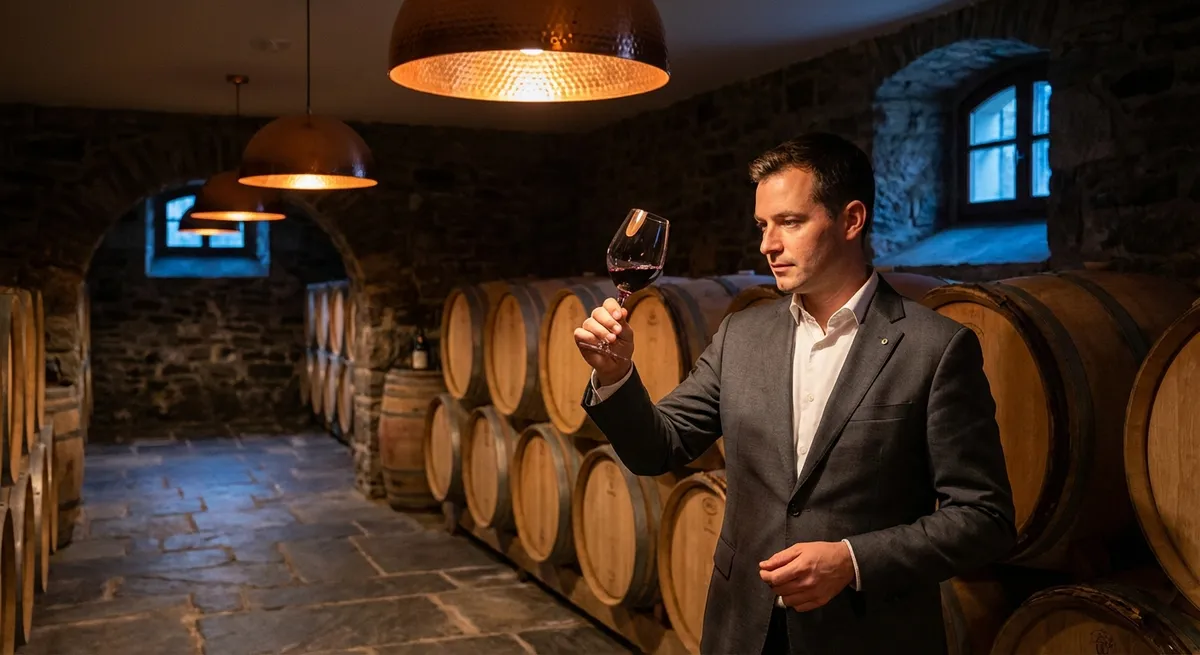
A brief glance at a barrel room can tell you astonishingly much about a winery’s priorities. Look at the proportion of new to older barrels, the presence of large-format casks (foudres) versus small barriques, and whether different coopers or toasting levels are labeled and separated. A cellar dotted with large, old oak often signals a preference for texture and finesse over overt oak flavor, while a diversity of coopers and sizes indicates a granular approach to tannin and aromatic structure.
3. Ask About the “Non-Vintage” Decisions
Not every critical decision happens in the vineyard. Premium wineries invest heavily in cork quality, bottle glass selection, capsule design, and storage conditions. Asking about their closure choices, bottle weight (and any reduction programs), and in-house aging policies often reveals a thoughtful approach to sustainability and long-term cellaring. Wineries that discuss oxygen transmission rates and cork testing protocols are typically serious about how their wines will evolve in your cellar.
4. Observe How They Pour and Serve—It Is Rarely Accidental
At refined estates, the service choreography is deliberate. Note the glassware size and shape for different wines, the exact serving temperatures, and how long wines are exposed to air before you taste them. If a winery insists on slightly cooler service for reds or uses different stems for aromatic whites, they are signaling how they believe their wines show at their best. This can be quietly instructive for how you might serve these wines at home.
5. The Most Valuable Conversation May Be with the Vineyard Team
While encounters with the winemaker are prized, a walk with a vineyard manager or viticulturist can unlock a different dimension of understanding. They can articulate rootstock choices, soil variation within plots, pruning philosophies, and how climate shifts have altered harvest dates or canopy strategies over time. Their perspective often makes the tasting room experience feel more three-dimensional, grounding aromatics and flavors in tactile elements such as soil texture, slope, and exposure.
Savoring Time: Cultivating a Slower Premium Experience
Premium wineries reward an unhurried approach. The most insightful visits reject the rushed itinerary of six tastings in a day in favor of two or three carefully selected estates, each granted the luxury of time. This slower pace allows you to notice how a property feels at different hours: the quiet of the morning before other guests arrive, the changing quality of light across the vineyards in late afternoon, the way the estate relaxes after the day’s last appointment.
Consider structuring your visit around one key experience at each property: a comparative tasting of vintages, an in-depth vineyard walk, a private cellar exploration, or a focused discussion on a single variety. Reserve time afterwards to sit with a glass on the terrace or in a garden, allowing the estate’s personality to settle. Premium wineries excel at creating environments where contemplation feels natural—take advantage of that deliberate calm.
Over multiple visits and regions, patterns begin to emerge: how certain soils express themselves across continents, how different climates handle the same grape variety, how estates with similar philosophies arrive at very different stylistic outcomes. In this way, winery visits become less about checking destinations off a list and more about curating an evolving, deeply personal understanding of fine wine.
Conclusion
To experience premium wineries at their most compelling is to recognize that the true luxury lies not simply in rare bottles, but in the integrity of choices, the patience of craftsmanship, and the attentiveness granted to both wine and guest. Architecture that protects rather than shouts, seasons that dictate the most revealing moments to visit, philosophies that run deeper than label copy, and the subtle cues of cellar, service, and vineyard—these are the elements that distinguish a polished visit from an unforgettable one.
For the traveler who values refinement over spectacle, the world’s finest estates offer a quiet invitation: to slow down, to look more closely, and to taste not only what is in the glass, but the thoughtful world that surrounds it.
Sources
- Wine Institute – California Winery Facts – Overview of winery numbers, scale, and context for premium producers in California
- Napa Valley Vintners – What Is a Gravity-Flow Winery? – Explanation of gravity-flow design and its impact on wine quality
- UC Davis Department of Viticulture and Enology – Technical resources on winemaking practices, cellar design, and aging considerations
- Bordeaux Wine Council (CIVB) – The Cellar and Aging – Discussion of barrel choices, cellar conditions, and maturation in a classic premium region
- OIV (International Organisation of Vine and Wine) – Global Statistical Report on Vitiviniculture – Authoritative data and context on global wine production and trends in high-quality wine regions
Key Takeaway
The most important thing to remember from this article is that this information can change how you think about Premium Wineries.