There is a moment, somewhere between the first step onto a gravel drive and the first swirl of a glass, when a truly premium winery reveals itself—not with spectacle, but with a kind of hushed authority. The architecture may be understated, the signage discreet, the hospitality unhurried; yet everything signals intention and depth. For the discerning traveler, these are not simply places to taste wine, but finely tuned ecosystems where land, time, and human judgement are arranged with almost orchestral precision. This is the world where “premium” is not about price alone, but about the coherence of an entire philosophy.
Beyond the Bottle: The Architecture of Intention
At the highest level, winery design is rarely about visual drama for its own sake; it is about orchestrating how you encounter the wine. You may notice the descent into a gravity-flow cellar, the way natural light softens as you move from reception to barrel room, or how the view from the tasting terrace frames a specific block of vineyard rather than the entire landscape. These choices are deliberate.
Premium wineries often use architecture as a silent guide: materials echo the surrounding geology, ceiling heights shift to match the emotional temperature of each space, and circulation flows mirror the path of the grapes—from harvest to fermentation to aging. This is not staging; it is narrative. When done well, the building gently teaches you how to pay attention: to temperature variations in the cellar, to the quiet hum of fermentations, to the subtle scent of French oak in air that is otherwise cool and neutral. The result is that by the time a glass reaches your hand, you are primed not merely to drink, but to notice.
The Vineyard as a Precision Instrument
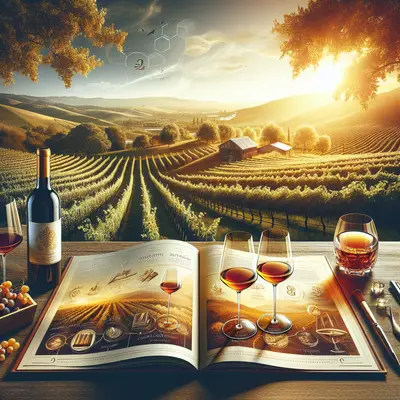
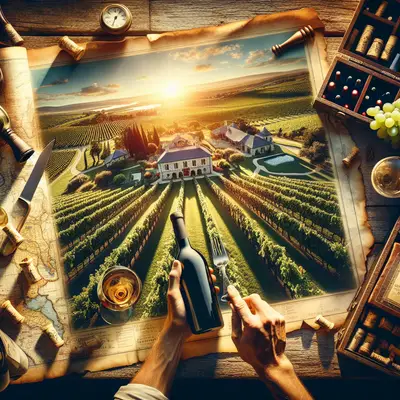
For premium estates, the vineyard is not backdrop; it is a precision instrument calibrated over decades. The notion of “terroir” is not used as ornament but as a working concept, broken down into dozens of micro-decisions: which clone in which row, how high the canopy, how many buds per vine, how much leaf exposure at what time of year.
What distinguishes these vineyards is their willingness to work on a square-meter scale rather than a field scale. You may see different pruning systems within a single parcel, or separate pick dates for rows just meters apart, driven by subtle variations in soil depth or morning fog patterns. Many estates quietly integrate advanced tools—infrared imaging, soil conductivity mapping, precision drip systems—not to replace intuition but to sharpen it.
The premium traveler learns to ask different questions: not only “What grapes do you grow?” but “How does this particular slope change the wine in the glass?” or “Which parcel is most expressive in a cool year, and why?” The answers, when offered by a vineyard manager or winemaker, reveal a level of intimacy with the land that feels almost biographical rather than agricultural.
Time as a Luxury Ingredient
At the highest level of winemaking, time is treated not as an expense but as a raw material. Premium wineries build their reputations on an almost stubborn patience: pruning decisions made with decades in mind, barrel programs refined over generations, and release schedules that prioritize readiness over market timing.
You may notice older vintages quietly resting in library cellars, not for show, but because the estate believes its wines only begin to speak clearly after five, ten, or even twenty years. Extended lees aging, slower fermentations at controlled temperatures, and cautious use of new oak are all ways of elongating the evolution of a wine without forcing it.
For the visitor, time shows up in more subtle ways: unhurried tastings, generous pauses between pours, space for questions that wander into history or philosophy. The premium experience is less about “trying as many wines as possible” and more about dwelling with a handful of carefully chosen vintages long enough to perceive their arc. In this environment, you begin to sense that the most valuable resource you and the winery share is not money, but time spent paying attention together.
Hospitality as Quiet Scholarship
The most refined tasting rooms are staffed not by salespeople, but by interpreters—individuals fluent in both wine and the art of reading a guest. Their task is to sense, often within minutes, whether you are most engaged by geology, gastronomy, cellar technique, or narrative history, and then to tune the experience accordingly.
At a premium winery, hospitality feels almost editorial. Flights are curated to tell a story: perhaps a vertical of a single cuvée across vintages, or a comparative tasting of wines from distinct soil types, or an exploration of how one grape behaves in different vessels—oak, concrete, amphora. The language is precise but never pedantic, the pacing measured yet responsive to your curiosity.
For the enthusiast, this is an opportunity to ask more nuanced questions—about tannin management, co-fermentation choices, or the impact of climate variability on picking decisions. The best hosts answer not with slogans, but with specifics: examples from challenging vintages, adjustments made in real time, or experiments that failed and why. You leave not merely charmed, but genuinely more literate.
Five Quiet Insights Enthusiasts Rarely Hear
Within this world, there are certain truths that insiders speak softly but consistently. These are five that seasoned travelers learn to recognize:
- The most meaningful “reserve” isn’t on the label, it’s in the vineyard.
Premium wineries increasingly avoid flashy tier names and instead reserve their oldest, most characterful parcels for wines that may carry understated labels but extraordinary pedigree. Ask which wines come from the estate’s original or oldest plantings; you’ll often uncover the true soul of the property.
- Consistency is not the highest virtue; transparency is.
The finest estates do not aim to make each vintage identical. They seek fidelity—to the season, to the site, to the limitations and gifts of a particular year. When a winery is candid about challenging vintages, subtle style shifts, or lower production in certain years, it is a strong sign you are in serious hands.
- Barrel rooms are libraries, not showrooms.
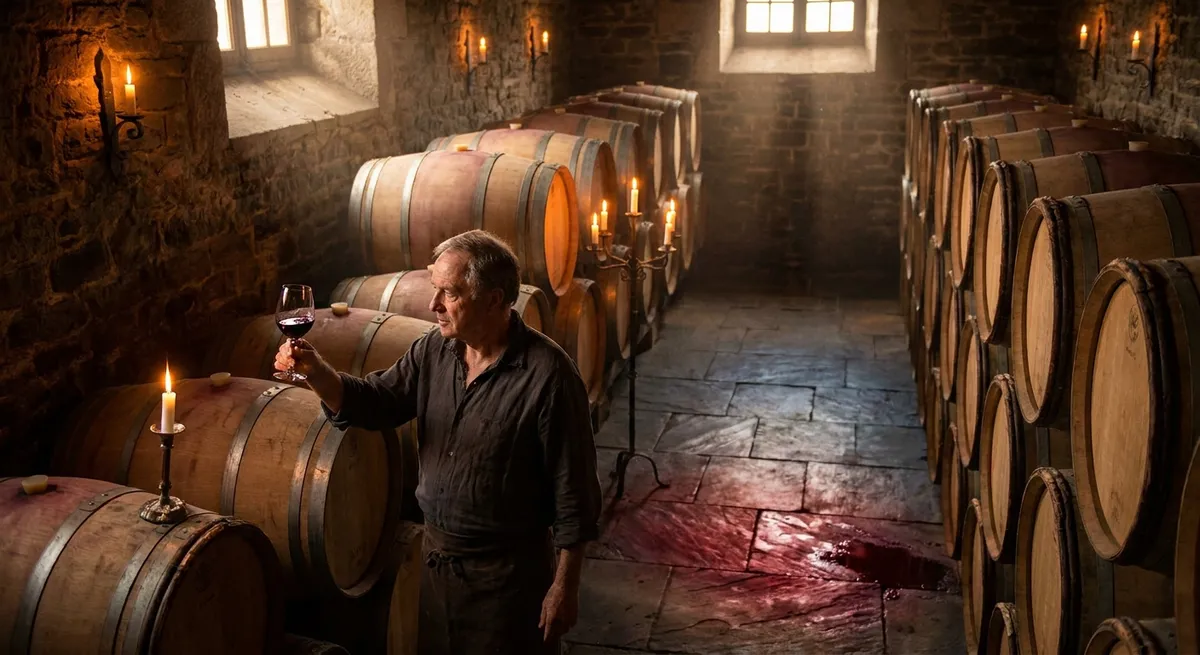
In premium cellars, oak is a language, not an accent. Winemakers experiment with forests, coopers, toasting levels, and vessel sizes, but the goal is integration, not obviousness. A barrel room where each row is annotated, trial lots are tracked meticulously, and stainless steel or concrete is used alongside oak often signals a thoughtful, research-driven approach.
- Allocation lists are about trust, not scarcity theater.
While waitlists and limited releases can feel like choreographed exclusivity, at serious estates they function as long-term relationships. Loyal clients effectively underwrite experimentation and risk—single-parcel bottlings, late releases, or unusual blends—that would be impossible without a committed audience. Ask how allocation members are engaged beyond shipments; meaningful education and access are often provided quietly.
- The most revelatory tasting may feature the fewest wines.
Truly premium experiences often focus on depth rather than breadth: three or four carefully chosen glasses that trace a meaningful thread. A vertical of one wine across vintages, or a side-by-side of parcels from different exposures, can teach more than a dozen assorted pours. When a winery is willing to pour less in order to show you more, it is placing confidence in the intelligence of both its wines and its guests.
Curating Your Own Premium Journey
For travelers seeking these deeper layers, the itinerary begins not with a list of “top” wineries, but with a clear sense of what you want to understand. Are you curious about mountain versus valley-floor fruit? About how a single grape expresses itself across climates? About the quiet revolution of organic, biodynamic, or regenerative farming at the highest echelon?
Look for estates where viticulture is foregrounded, not merely mentioned; where the winemaker or vineyard manager is accessible in some form; where older vintages are occasionally opened; and where tasting formats include comparative or vertical options. Written materials that offer genuine technical detail—soil profiles, elevation ranges, barrel regimens—are a promising sign.
Finally, allow space in your schedule. A premium winery visit benefits from time before and after: to walk the rows slowly, to revisit a favorite pour, to let the sensory and intellectual impressions settle. It is in these margins that the experience transcends tourism and becomes something closer to study—pleasurable, yes, but also quietly transformative.
Conclusion
To step into a premium winery at its best is to enter a world where every element—vineyard, architecture, cellar, hospitality, and time itself—is aligned around a single aim: to express a place with clarity and grace. Price points and scarcity may draw attention, but they are ultimately secondary to this coherence. For the attentive traveler, the real luxury lies in access to this depth: the chance to witness how serious people think, feel, and work when their raw material is not merely grapes, but landscape and time.
Wine Tour Adventures exists for those who want to cross that threshold with intention—to move beyond the scenic and the performative into encounters that are quietly, indelibly memorable. In this realm, the most enduring souvenirs are not bottles, but perspectives you carry into every glass thereafter.
Sources
- [Wine Institute – California Wine Country Facts](https://wineinstitute.org/our-industry/by-the-numbers/california-wine-country-facts) – Overview of regions, acreage, and structure of premium winegrowing areas
- [UC Davis Department of Viticulture and Enology](https://wineserver.ucdavis.edu/) – Research-based insights into vineyard management, winemaking techniques, and sensory evaluation
- [Institute of Masters of Wine – Understanding Terroir](https://www.mastersofwine.org/what-is-wine/terroir) – Authoritative discussion of terroir, site expression, and quality parameters
- [Decanter – The Role of Oak in Winemaking](https://www.decanter.com/learn/wine-wisdom-explained-the-role-of-oak-in-winemaking-329632/) – Detailed explanation of barrel choices, toasting levels, and their impact on premium wines
- [USDA – Climate Change and Specialty Crops: Wine Grapes](https://www.climatehubs.usda.gov/hubs/topic/climate-change-and-specialty-crops-wine-grapes) – Examination of how climate variability influences viticulture and vintage character
Key Takeaway
The most important thing to remember from this article is that this information can change how you think about Premium Wineries.