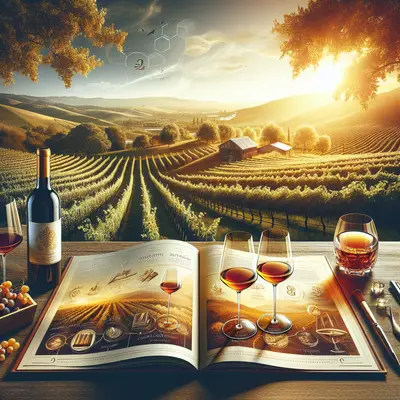
There is a tier of wineries where excellence is not announced but inferred—through the weight of a glass, the silence of a barrel hall, the precision of a pour. These are not simply places that make wine; they choreograph experiences in which time slows, details sharpen, and the palate is invited into rare conversation with place. For those who seek more than a pleasant afternoon among vines, understanding what truly distinguishes premium wineries transforms a visit from enjoyable to quietly unforgettable.
Below are five exclusive, less-discussed insights that reveal how the most refined estates think, work, and host—with nuances that discerning wine enthusiasts will recognize and relish.
The Architecture of Stillness: Why the Best Wineries Feel Unhurried
At premium wineries, the most powerful luxury is not opulence—it is unhurried stillness, deliberately designed.
From the moment of arrival, space and pacing are curated. Long, tree-lined drives and restrained signage slow the approach, allowing guests to transition mentally from daily life to vineyard time. Reception areas are often understated, with soft acoustics, natural materials, and diffused light that steer attention toward the glass rather than the décor. Seating is purposeful: chairs with proper back support and table heights that align comfortably with glass stems encourage lingering, nuanced tasting rather than quick sipping.
Behind the scenes, this sense of calm is protected by careful appointment spacing. Top estates often cap visitor numbers per hour, not simply for exclusivity, but to preserve the acoustic quiet necessary for considered conversation and focused tasting. Staff schedules are structured with intentional breathing room between appointments so hosts never appear rushed, allowing them to tailor each experience in real time based on guest interest and knowledge.
An astute visitor will notice that nothing “just happens”; even the silence is choreographed. The premium winery understands that a relaxed, attentive mind is a more sensitive instrument—and creates an environment where subtlety has room to register.
The Invisible Dialogue Between Vineyard and Glass
At the highest level, vineyard decisions are not mere agricultural tasks; they are a quiet dialogue between site and intention, carried through every bottle.
Premium wineries are increasingly transparent about their vineyard philosophy, but the most telling details often emerge in passing: the way a viticulturist describes canopy management on a single hillside, or how a winemaker speaks about the tension between sugar ripeness and phenolic maturity in a specific vintage. These conversations reveal a mindset that prioritizes precision over yield and nuance over uniformity.
Subtle shifts—earlier picking windows to retain energy and freshness, parcel-by-parcel harvests, or differential pruning strategies to balance vigor—are rarely trumpeted on tasting menus, yet they define the character in your glass. Many of the world’s most meticulous estates now work with soil mapping, microclimate data, and detailed ripening curves to decide not only when to pick, but how to vinify each distinct block.
During a visit, the discerning enthusiast listens for this vineyard-to-glass continuity. Does the winery speak in generalities (“our terroir”) or specifics (soil series, row orientation, rootstock selection, drainage patterns)? Do they pour wines in an order that narrates elevation, exposure, or soil variation? Premium wineries treat the flight as a guided map of their landscape, letting you “walk” the vineyard without ever leaving your chair.
The Precision of Temperature, Glassware, and Time
In refined cellars, the way wine is presented is treated with the same seriousness as the way it is made.
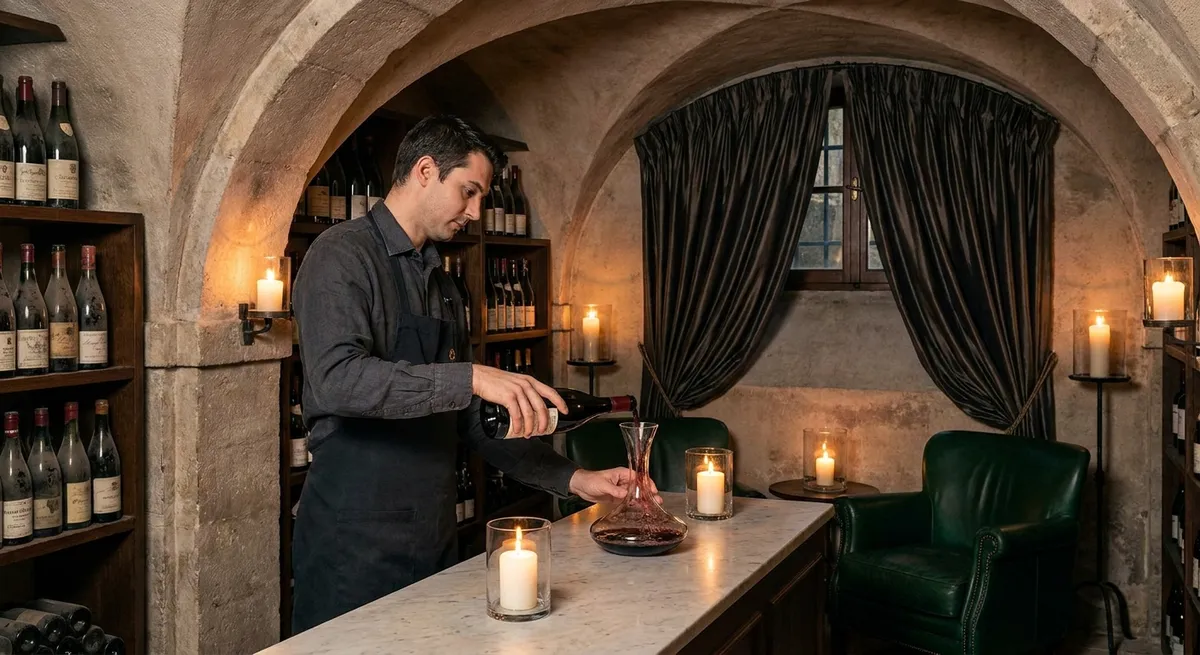
Temperature is the first, most revealing tell. Great cellars resist the temptation to serve wines too cold for crispness or too warm for intensity. White wines are typically poured just below their ideal serving temperature, allowing them to open gradually in the glass rather than peak on arrival. Structured reds may be decanted ahead of your visit, with the decanting time tailored to vintage, varietal, and the wine’s current stage of evolution.
Glassware is chosen not for logo visibility, but for performance. A premium winery will often use distinct stem shapes for aromatic whites, structured reds, and sparkling wines—optimizing the way aromatics funnel and how the wine engages the palate. Subtle cues like the thickness of the rim, the volume of the bowl relative to the pour, and the balance of the stem in hand all influence perception. The most fastidious wineries even retire glasses early to avoid micro-scratches that can disrupt the mousse in sparkling wines or dull aromatics.
Time, too, is part of the architecture. Hosts will allow silence after a first sip, resisting the urge to immediately narrate your experience. A short pause lets your palate calibrate itself; only then does a truly informed conversation about texture, structure, and length begin. In such spaces, a single glass may occupy twenty minutes—each moment revealing a new facet as swirl, air, and temperature perform their quiet work.
The Curated Cellar: How Premium Wineries Decide What You Never See
What is not poured during your visit can be as revealing as what is.
Premium wineries often produce wines that are never listed on tasting menus: experimental micro-cuvées, single-row bottlings, archive vintages reserved for study, or provenance-labeled wines destined entirely for long-term collectors. These “invisible wines” serve a purpose: they allow the estate to push boundaries, refine blending components, or preserve a long narrative of their terroir across decades.
For the guest, access to this unseen layer is a privilege that must be earned by curiosity, not status. Asking thoughtful, technically inclined questions—about élevage choices, cooperage selection, or blending philosophy—signals a level of engagement that may prompt your host to reach for an off-list bottle. An older vintage poured quietly at the end of a tasting is often not a sales tool, but an invitation into the winery’s internal memory.
Equally telling is the estate’s attitude toward library stock. The most serious wineries willingly open mature bottles for research, not merely for prestige tastings. They track how their wines age and refine viticulture and winemaking accordingly. When you encounter a tasting that includes a carefully chosen older vintage, you are being invited into that continuous experiment—a deeper level of transparency and confidence.
The Signature of Service: Discreet Hospitality as a Fine Art
What truly differentiates a premium winery is the finesse of its hospitality—service that is discreet, informed, and instinctively calibrated to each guest.
Well-trained hosts modulate their language to match your knowledge without ever condescending or over-explaining. If you speak in terms of tannin grain, phenolics, and malolactic fermentation, they respond in kind; if you prefer to describe wines with imagery and emotion, they follow that lead. This adaptive fluency is a hallmark of serious estates, underpinned by rigorous internal training and often by staff with backgrounds in sommelier work or fine dining.
Attention to micro-comforts is constant yet subtle: the timely appearance of water before you ask, the repositioning of a chair to soften glare, the gentle pacing of pours to allow full engagement with each wine. Silence is used deliberately, allowing the setting—the vineyard view, the cool hush of the barrel hall—to participate in the experience.
Finally, the most refined wineries understand that the memory you leave with is shaped not by persuasion, but by resonance. Instead of pushing allocations, they guide you toward wines that reflect what you gravitated toward in the glass—structure, aromatics, or texture—creating an enduring association between your personal preferences and their craft. You depart not with a generic “tasting,” but with the feeling that the estate revealed precisely as much of itself as you were ready to appreciate.
Conclusion
In the realm of premium wineries, refinement is not a matter of spectacle but of orchestration—of vineyard choices that rarely make it into marketing copy, of service that anticipates rather than performs, of cellars that treat silence, time, and temperature as essential ingredients.
For those who care about the subtle architecture behind every elegant pour, recognizing these quiet rituals transforms a winery visit into something far more compelling: a dialogue with people and places that have devoted themselves to a level of detail most will never see, but the attentive will never forget. The joy of exploring such estates lies not only in the wines themselves, but in learning to read these refined, often veiled, expressions of excellence.
Sources
- [Wine Institute – World Wine Production, Consumption, and Trends](https://wineinstitute.org/resources/statistics) - Provides data and context on wine production and market trends that frame the premium segment
- [Napa Valley Vintners – What Makes a Winery “Napa Green”](https://napavintners.com/our-community/napa-green.asp) - Insight into sustainability and vineyard practices common among high-end wineries
- [UC Davis Department of Viticulture and Enology](https://wineserver.ucdavis.edu/) - Research-based information on viticulture, winemaking, and sensory evaluation informing many premium winery practices
- [Institute of Masters of Wine – The Art of Tasting](https://www.mastersofwine.org/the-mw-approach-to-wine/the-art-of-tasting) - Explores structured tasting approaches aligned with the precision described in premium winery experiences
- [Decanter – How to Store and Serve Wine](https://www.decanter.com/learn/how-to-store-and-serve-wine-380173/) - Discusses temperature, glassware, and service, echoing key elements of premium hospitality standards
Key Takeaway
The most important thing to remember from this article is that this information can change how you think about Premium Wineries.