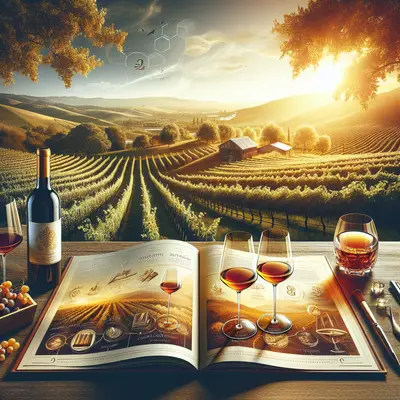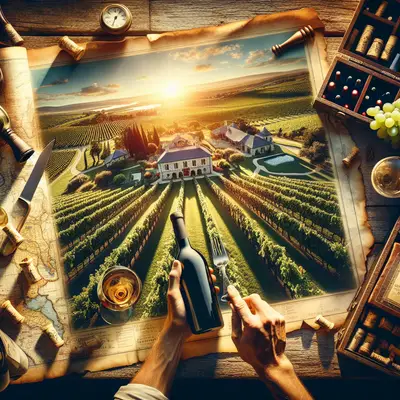
Some wineries attract crowds; a rarer few cultivate silence. These are the addresses whispered between collectors, the estates where scarcity is intentional and hospitality feels more like being welcomed into a private home than checking into a tasting room. For travelers who seek more than a pour and a postcard view, truly premium wineries offer a deeper, quieter kind of luxury: meticulous craftsmanship, measured discretion, and experiences that feel singular rather than scripted.
This is the realm where a vineyard’s story is told not on billboards, but in soil, cellar, and glass. Below, we explore what sets these estates apart—and share five exclusive, often-overlooked insights that discerning wine travelers quietly trade among themselves.
The Architecture of Restraint
Premium wineries rarely shout their presence. Their architecture tends to favor restraint over spectacle: low-slung stone walls that blend into the hillside, gravity-flow cellars buried beneath the vines, tasting salons appointed with natural light and thoughtful acoustics rather than ostentation. The design language signals a single conviction—wine first, everything else in service to it.
Step into these spaces and you’ll notice small, telling details. Windows are oriented to frame specific parcels of vineyard, not just panoramic vistas. Tasting counters are replaced by intimate tables, or even by chairs arranged in conversation circles, so that wine is approached as dialogue rather than transaction. Materials are tactile but understated: linen, oak, leather, hand-glazed ceramics.
Behind the scenes, the same restraint applies to technical choices. Gravity-flow architectures minimize pumping to preserve texture; subterranean aging rooms maintain stable temperature without aggressive mechanical intervention. Even signage tends to be discreet. The entire built environment functions as a quiet prologue to what you will taste in the glass—measured, precise, and intentionally free of distraction.
Beyond the Label: How Premium Wineries Really Define Quality
While many estates speak of “terroir” and “craft,” premium wineries operationalize these ideals with a rigor that’s rarely advertised. The vineyard, rather than the cellar, is the primary stage. You’ll often find extremely low planting densities, meticulous canopy management, and parcel-by-parcel decision-making instead of a generalized “estate blend” approach.
Key quality markers are often invisible to the casual visitor: manual harvests at dawn to preserve freshness; optical sorting tables that discard more fruit than some wineries would ever consider; small-lot fermentations separated by soil type, vine age, or exposure. These practices are costly and time-intensive, yet they manifest not as obvious “heaviness” in the glass, but as clarity, length, and nuance.
In conversation, you’ll notice that the most serious winemakers talk chronologically rather than romantically. They describe decisions made over entire growing seasons—pruning in winter, leaf removal in summer, pick dates in autumn—rather than leaning on a single headline (“new French oak” or “old vines”). For travelers attuned to detail, these narratives reveal a truth: at the highest levels, quality is not a single act of brilliance, but an accumulation of unspectacular, exacting choices across years and vintages.
The Texture of Time: Aging Programs and Cellar Philosophy
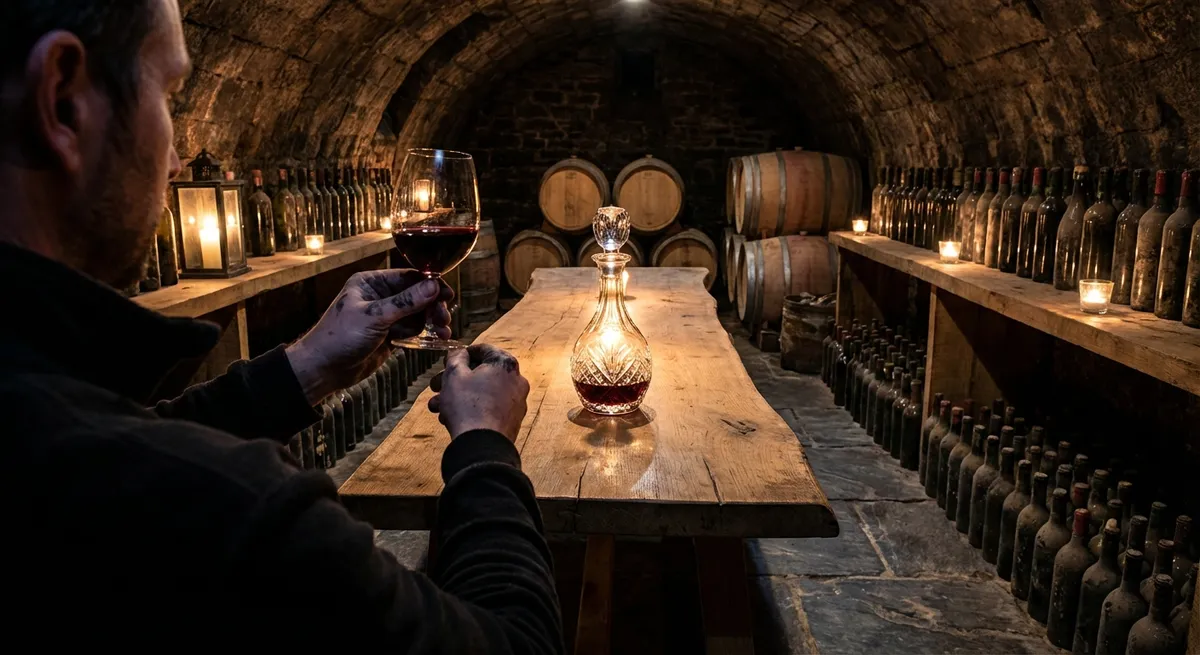
At many wineries, the cellar is a place of barrels and stainless steel. At premium estates, it is a study in time. The choices here—vessel size, wood origin, toast level, length of élevage, and resting time in bottle—are not just technical; they are philosophical declarations about what the winery believes a great wine should feel like, not merely taste like.
Some estates favor large-format foudres or concrete eggs to foreground purity and texture, using oak not as a signature but as a framing device. Others work with a patchwork of barrel coopers, selecting wood from specific forests to match particular parcels, tailoring each vessel as precisely as a bespoke suit. Long lees aging for whites, or extended bottle aging before release for reds, reflects a willingness to carry inventory for years in pursuit of silkier tannins and layered aromatics.
For the guest, these choices become perceptible in sensation: the way a wine moves across the palate, how the finish stretches into silence, how aromatics evolve from glass to glass. When a winery chooses to hold back releases until they are entering early maturity, it signals a commitment to serving you not a product, but a moment in the wine’s life that the estate considers worthy of your attention. Time, in this context, becomes an ingredient in hospitality itself.
Five Exclusive Insights Savored by the Attentive Enthusiast
Within the world of premium wineries, a set of more discreet understandings quietly circulates among seasoned visitors. These aren’t tricks or shortcuts; they are perspectives that align you more closely with the way the finest estates think about their work.
1. The “secondary” wines often reveal the purest intent.
Prestige cuvées and flagship bottlings may be the most coveted, but the so-called “second wines” frequently showcase the clearest expression of a winery’s house style. They are less cloaked in new oak, less sculpted for grandeur, and often sourced from younger parcels that speak more directly of place. Collectors often taste these first to understand the estate’s underlying philosophy before moving to the rarities.
2. Mid-vintage visits yield the most candid conversations.
Many travelers choose harvest season for its energy, but serious insight often emerges in quieter months: late winter pruning, early spring budbreak, or post-harvest in late autumn. Winemakers are less rushed, more reflective, and more willing to walk you through the vineyards, share comparative barrel samples, or discuss difficult decisions from prior vintages. For those who value depth over spectacle, the “off-season” is quietly golden.
3. Vertical tastings reveal character more than prestige.
A single great vintage can flatter almost anyone. A sequence of vintages—tasted side by side—exposes how an estate navigates generous years, challenging seasons, and everything between. In the verticals offered by top wineries (even informal ones), look not only at which vintage you prefer, but at how consistently the wines maintain a sense of identity despite differing weather and conditions. Consistency of character over time is one of the surest hallmarks of genuine excellence.
4. Vineyard walks are as revealing as cellar tours.
Premium wineries that prioritize place will often steer you outside as readily as into the barrel hall. Pay attention to what they show you: soil pits exposing strata of limestone or clay, old vines with gnarled trunks, varying canopy heights from block to block. The most thoughtful estates narrate each parcel as if it were a separate voice in a chorus, explaining how it is harvested, fermented, and blended. Once you’ve walked these rows, the glass becomes far more intelligible.
5. The most memorable wines are found in the “quiet middle,” not just at the pinnacle.
Collectors often chase the rarest labels, but seasoned enthusiasts know that one of the deepest pleasures lies in discovering wines that sit below the “icon” tier yet are crafted with the same seriousness. These bottlings—single parcels, experimental fermentations, limited cuvées available only at the estate—are where winemakers test ideas and push nuance. They may never appear on allocation lists, but they linger in memory long after the most famous labels are gone.
The New Discretion: Hospitality as an Art Form
In the premium tier, hospitality is not about excess; it is about attunement. Appointment-only visits allow estates to limit the number of guests not as a barrier, but as a promise—time, quiet, and proper attention. You may be received by a senior educator, a family member, or occasionally the winemaker themselves, with the tasting curated to your interests rather than a fixed template.
Expect pacing rather than haste: pauses between pours to let wines open, considered food pairings that emphasize texture as much as flavor, perhaps a library bottle opened spontaneously when a shared enthusiasm becomes apparent. The finest hosts observe carefully—how long you linger over a glass, what questions you ask, what excites you—and adjust the visit in real time. The experience feels not like a performance, but like a well-conducted conversation.
Privacy is also part of the luxury. Premium wineries are increasingly discreet about photography, social media presence, and shared details of production. The emphasis is on presence, not documentation. As a guest, leaning into that ethos—tasting without constant recording, listening without rushing to summarize—aligns you with the rhythm of the place. You are no longer just a visitor; you become, briefly, part of the estate’s own measured cadence.
Conclusion
To travel among true premium wineries is to enter a quieter register of luxury—one defined less by spectacle and more by precision, patience, and intention. The architecture speaks softly, the cellars hum with time’s slow work, and hospitality is tailored with the finesse of haute couture. For those willing to look beyond labels and vistas, these estates offer something immensely rewarding: an intimate education in how great wine is not merely made, but thought about, season after season.
Approach them with curiosity, respect for their discretion, and an eye for the subtleties outlined above. In return, you will find that the most profound experiences are often the most understated—and that the rarest luxury, in wine as in travel, is the feeling that a moment could not have unfolded in quite the same way for anyone else.
Sources
- Wine Institute – California Wine Country Facts – Background on wine regions and premium production in California
- Napa Valley Vintners – What Makes Napa Valley Unique – Insight into factors that distinguish top-tier wine regions and wineries
- Bordeaux.com – Understanding the Grands Crus Classés – Explanation of classification, aging practices, and premium estate philosophy in Bordeaux
- [University of California, Davis – Wine Flavor 101](https://wine.wsu.edu/research-extension/ enology/wine-flavor-101/) – Educational resource on how vineyard and cellar decisions influence quality and style
- Decanter – Inside the World’s Top Fine Wine Estates – Profiles of leading estates and their approaches to precision, aging, and hospitality
Key Takeaway
The most important thing to remember from this article is that this information can change how you think about Premium Wineries.