There is a moment on a truly exceptional wine tour when conversation falls away: the light shifts over the vines, the glass catches it, and you realize you are not merely visiting a winery—you are participating in its rhythm. At Wine Tour Adventures, this is the atmosphere we chase: not spectacle, but refinement; not crowds, but cadence. The finest wine journeys today are neither hurried nor obvious. They are quietly orchestrated experiences that reveal winemaking as a living, breathing craft, designed for those who prefer their luxuries understated and impeccably considered.
The Art of Arrival: When Timing Shapes the Entire Experience
The world’s most memorable wine visits begin long before the first pour. In regions from Napa to the Douro, timing your arrival can transform a standard tour into something almost cinematic. Dawn and late-afternoon appointments offer the softest light, the calmest cellars, and often the most engaged hosts, unburdened by the mid-day rush.
This is not simply about comfort; it is about context. Arriving early in the day, you may find yourself walking through vineyards still cool with morning air, leaves carrying a faint trace of dew, and workers quietly moving among the rows. Late-afternoon visits, on the other hand, let you experience the vines as they exhale the day’s warmth, with sunset casting elongated shadows across the trellises. Both windows foster conversations that go beyond the script—cellar masters have more time to answer questions, and your tasting can expand into a deeper exchange about soil, aging, and philosophy.
Elite travelers often align their itineraries with the vineyard calendar: budbreak, flowering, veraison, and harvest. Each phase reveals a different expression of the same estate, and returning at contrasting moments in the year is one of the most rewarding ways to understand a place. In a world of “checklist tourism,” choosing your moment with intention is the first quiet luxury.
Beyond the Tasting Bar: Immersive Encounters with the Vineyard Itself
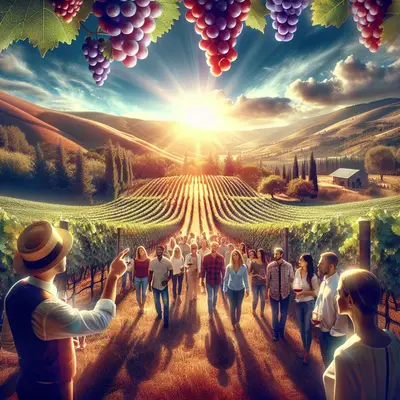
The tasting bar is only the surface; serious wine enthusiasts increasingly seek tactile, grounded experiences in the vineyard. Walking between the rows with a viticulturist or estate owner is a subtle but profound shift: wine ceases to be an abstract luxury product and becomes something rooted, fragile, and climatic.
An immersive vineyard session reveals details easy to miss in a standard visit: the way older vines twist and thicken with age, how the slope shifts drainage and temperature, why one parcel is picked at dawn and another in the evening. You may taste grapes straight from the vine to compare ripeness, feel differences in soil texture between parcels, or observe how canopy management moderates light and heat on the clusters.
Top estates are now designing “field-first” experiences, where the tasting begins in the vineyard, sometimes with barrel samples matched to the specific plots you just walked. This is where terroir stops being a cliché and becomes something you can physically map: the limestone underfoot, the exposure to the wind, the elevation. For the refined traveler, these vineyard encounters create a mental atlas—every future bottle from that producer is forever linked to a real, remembered landscape.
Inside the Cellar: Reading Barrels, Vessels, and the Architecture of Aging
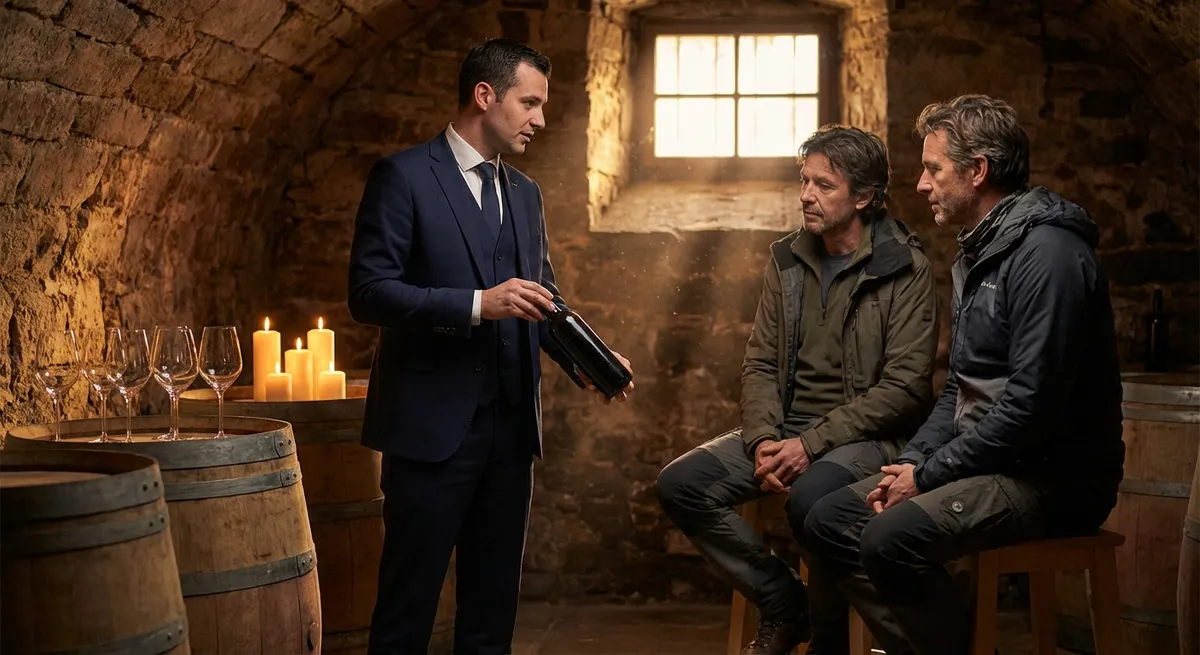
While many tours pass quickly through the cellar, treating it as a photogenic backdrop, connoisseurs know that this is where the estate’s true personality reveals itself. The choice of vessels—new oak barrels, neutral barrels, large foudres, concrete eggs, amphorae, or stainless steel—is not merely technical; it expresses the winemaker’s philosophy about fruit, structure, and time.
Walking through a thoughtfully designed cellar, you begin to “read” these decisions. A room dominated by small new French oak barrels suggests a style aimed at texture, spice, and a certain polish. Large old casks whisper of restraint and patience. Amphorae and concrete tanks indicate a pursuit of purity and precision, often with a nod to historical methods. Some of the most compelling estates now blend these approaches, aging different components in contrasting vessels before assembling the final cuvée.
Pay attention to the details: temperature and humidity control, the cleanliness of the facility, how barrels are stacked or racked, whether gravity-flow systems are in place instead of pumps. Each element protects or shapes the wine’s delicacy. Requesting a comparative barrel tasting—sampling the same vintage from different vessels or parcels—can be one of the most revealing experiences on a tour. It transforms you from visitor to informed observer, capable of sensing decisions that most drinkers only perceive subconsciously in the finished bottle.
Curated Pairings: When Gastronomy Elevates the Glass
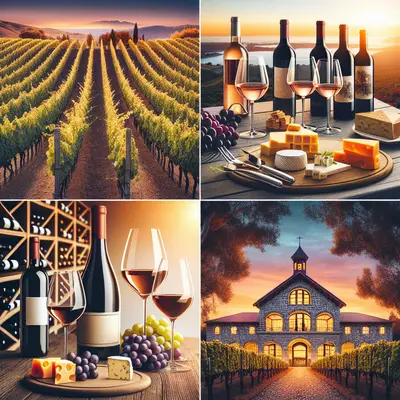
The most elegant wine journeys understand that a glass is never operating alone. Increasingly, premier wineries are collaborating with chefs to create gastronomic tastings where each sip is contextualized by flavor, texture, and aroma on the plate. These experiences go far beyond a standard cheese board.
Imagine a vertical tasting of a single cuvée, each vintage paired with a deliberately minimal dish designed to highlight structural nuance: a delicate crudo to reveal acidity and minerality; an aged cheese for tannin and umami; a subtly spiced tartlet to draw out tertiary notes. The goal is not opulence, but precision. A thoughtfully composed pairing flight can condense years of sensory learning into a single afternoon.
Some estates offer micro-seasonal pairings using ingredients grown on the property, creating a “closed loop” of terroir expressed through both wine and cuisine. Others may present the same wine with two contrasting dishes to show how salt, fat, or acidity alter perception. For enthusiasts, these pairings become a masterclass in hospitality and sensory awareness—skills you carry with you long after you leave the estate, influencing how you entertain at home and how you evaluate future wines.
The Private Archive: Exploring Libraries, Back Vintages, and Cellar Stories
Perhaps the most coveted element of a premium wine tour is access to an estate’s private archive—its library of older vintages and rare bottlings. This is where the story of a winery unfolds with depth and continuity, revealing how a philosophy has endured, adapted, or refined over time.
A curated library tasting might begin with a youthful current release, then move backward through key vintages, each marked by different weather patterns, winemaking decisions, or ownership eras. The comparison is instructive and often moving: you sense how a wine’s structure allows it to age, how tannins resolve, how aromatics evolve from fruit-forward to savory and complex. You also begin to appreciate that great wineries are not static brands but living institutions responding to climate, regulation, and cultural shifts.
Some estates will share archival labels, historical photographs, or even original cellar logs, turning the tasting into a narrative experience. For those building private collections, this is invaluable information: you learn which vintages are entering their prime, which merit patience, and how storage conditions influence longevity. Access to the library is more than a luxury—handled thoughtfully, it is an education in time itself.
Five Exclusive Insights for the Discerning Wine Traveler
For enthusiasts seeking to elevate their next journey beyond the ordinary, these five nuanced insights offer a refined lens:
Ask for Parcel-Specific Tastings
Rather than a broad flight, request a tasting focused on specific vineyard plots or single parcels. This reveals micro-terroir and shows how subtle shifts in exposure, soil, and elevation translate into the glass.
Explore Non-Flagship Wines First
Before the estate’s iconic bottling, begin with their lesser-known cuvées: field blends, varietal experiments, or regionally restricted labels. These often hold the most unguarded expression of the winemaker’s creativity and can be outstanding value for cellaring.
Observe the “Unscripted” Spaces
Pay attention to workspaces and transitions: the crush pad, sorting tables, lab, and bottling line. The order, cleanliness, and energy in these areas reveal as much about an estate’s discipline as the most polished tasting room.
Return to the Same Estate in a Different Season
Revisit a favorite winery in a contrasting season—harvest versus dormancy, or flowering versus post-harvest rest. This deepens your relationship with the place and allows you to track vintage conditions and decisions year over year.
Request a Comparative Serving Experience
When possible, taste the same wine in different stemware or at slightly different temperatures. The exercise highlights how serving decisions—often overlooked—can amplify or mute a wine’s complexity, a lesson you can immediately apply at home.
Conclusion
The most memorable wine tours are not about volume, spectacle, or even prestige labels; they are about the quiet accumulation of insight and the intimacy of experience. When you step beyond the tasting bar into the vineyard, the cellar, the gastronomic table, and the private archive, wine begins to speak in layered, enduring tones.
At Wine Tour Adventures, our aim is to choreograph these moments with discretion and precision—ensuring that every estate visit feels less like a scheduled appointment and more like a privileged encounter with a place, a philosophy, and a craft. For travelers who seek depth over display and resonance over rush, the world of bespoke wine journeys is not merely a destination, but an evolving, highly personal collection of stories in the glass.
Sources
- [Wine Institute – California Wine Country Visitor Information](https://wineinstitute.org/our-industry/initiatives/wine-country-travel/) - Overview of visiting California wine regions, including seasonal considerations and regional context.
- [Napa Valley Vintners – Winegrowing & Terroir](https://napavintners.com/napa_valley/winegrowing.asp) - Detailed explanation of how soil, climate, and vineyard practices shape wine, useful for understanding vineyard-focused tours.
- [UC Davis Department of Viticulture and Enology](https://wineserver.ucdavis.edu/) - Educational resource on grape growing, winemaking, and cellar practices, underpinning many technical aspects of premium tours.
- [Decanter – Wine and Food Matching Guides](https://www.decanter.com/learn/food-wine/) - Expert insights into wine and food pairing, relevant to curated gastronomic tasting experiences.
- [OIV (International Organisation of Vine and Wine)](https://www.oiv.int/en/) - International reference for viticulture and enology standards, offering authoritative background on global wine production and cellar practices.
Key Takeaway
The most important thing to remember from this article is that this information can change how you think about Wine Tours.